What if your garden wasn't a separate destination you only visited during a rare British heatwave, but a functional room you inhabited every single day? When homeowners ask us, "Tell me about Outdoor Living," they're often surprised to learn it has less to do with patio furniture and everything to do with the architectural framework of the home. You likely recognise the frustration of a garden that feels miles away once the doors are closed, or the worry that a glass-heavy extension will lead to soaring energy bills during a cold snap.
We understand that a poorly designed space is an expensive mistake you can't afford to make, especially with construction cost inflation reaching 3.5% in 2026. This guide promises to help you master the integration of indoor and outdoor environments, allowing you to create a year-round sanctuary that adds genuine value to your property. We'll examine the latest 2026 Building Regulations, including why triple glazing with U-values of 0.8 W/m²K is becoming the new standard for a truly seamless, thermally efficient home.
Key Takeaways
- Redefine your perspective by shifting from traditional gardening to lifestyle architectural design that prioritises fluid movement between interior comfort and exterior freshness.
- When you ask a consultant to tell me about outdoor living, you'll learn how the strategic specification of aluminium fenestration systems dictates the flow of your entire home.
- Navigate the complexities of 2026 thermal performance standards to ensure your integrated space remains a year-round sanctuary without impacting your energy bills.
- Master the "inside-out" design approach, using consistent materials and structural alignments to physically dissolve the boundaries between your home and garden.
- Avoid common expensive mistakes by understanding the value of a professional technical survey and a dedicated White Glove installation process.
What is Outdoor Living? Redefining the British Home in 2026
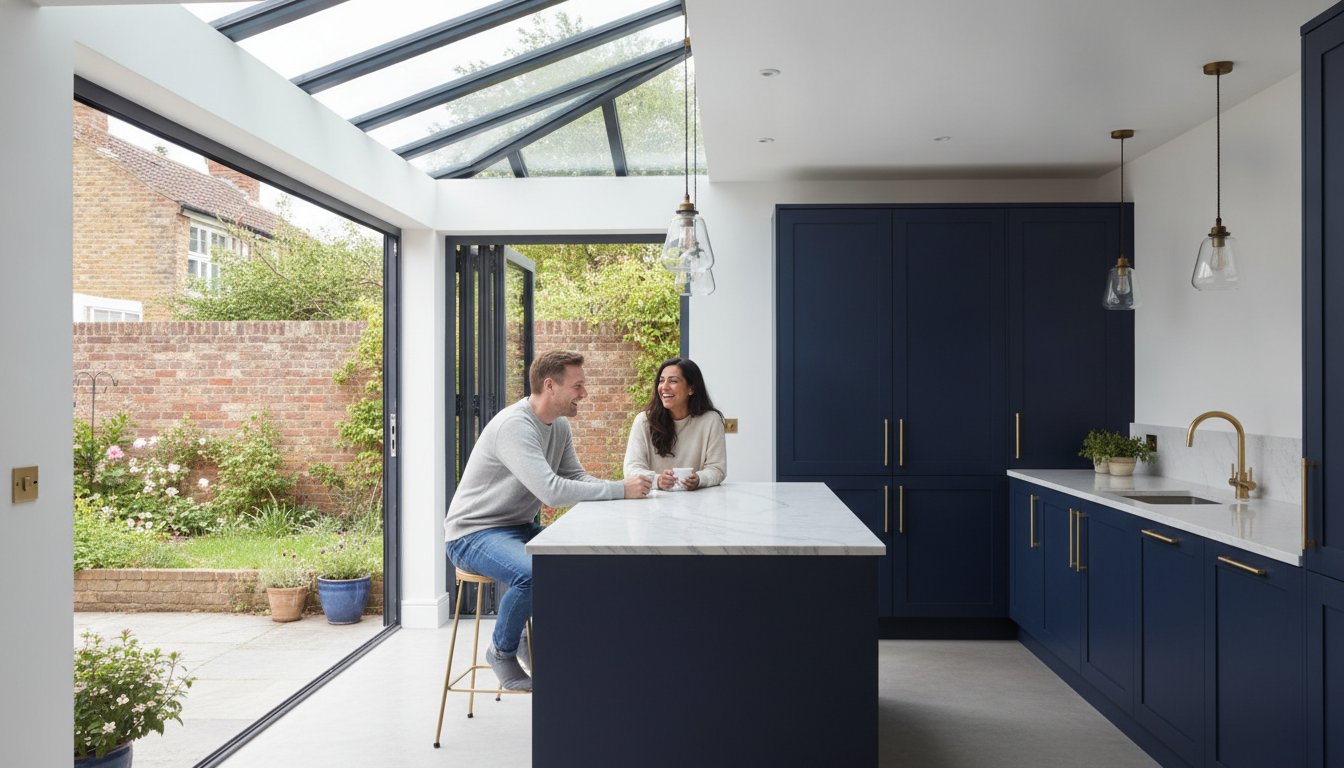
When you ask an architect to tell me about outdoor living, they'll describe a space where the boundaries between inside and out simply vanish. In 2026, the concept has evolved far beyond a simple garden or a set of patio chairs. It's now defined as the fluid, architectural movement between interior comfort and exterior freshness. This shift represents a move away from traditional "gardening" towards a lifestyle architectural design that prioritises biophilic connection and mental wellbeing. By increasing natural light and providing direct access to nature, we aren't just changing a floor plan; we're enhancing the daily lived experience of the homeowner.
The threshold is the most critical element of this entire design philosophy. It's the physical and visual hinge where your home's interior logic extends into the landscape. Historically, many homeowners viewed the garden as a distinct, secondary zone. When researching What is a Patio?, the answer was often a basic paved area for summer use. Today, that definition has dissolved. We now view the garden as a functional room that requires the same level of technical specification as a kitchen or lounge. It's about creating a seamless transition that makes the garden feel like a natural continuation of your floor space.
The Evolution of the British Garden Room
Modern extensions have moved far beyond the draughty, thermally inefficient conservatories of the 1990s. We've seen a significant rise in "broken-plan" living, where spaces are defined by light and level changes rather than solid brick walls. In 2026, design trends favour permanent structural integration over seasonal fixes. Homeowners are increasingly choosing aluminium windows and slimline frames that create a consistent aesthetic from the sofa to the boundary fence. With construction cost inflation at 3.5% this year, investing in a permanent architectural solution is a more strategic move than purchasing high-end, temporary furniture that degrades in the British rain.
Why "Outdoor Living" is a Year-Round Requirement
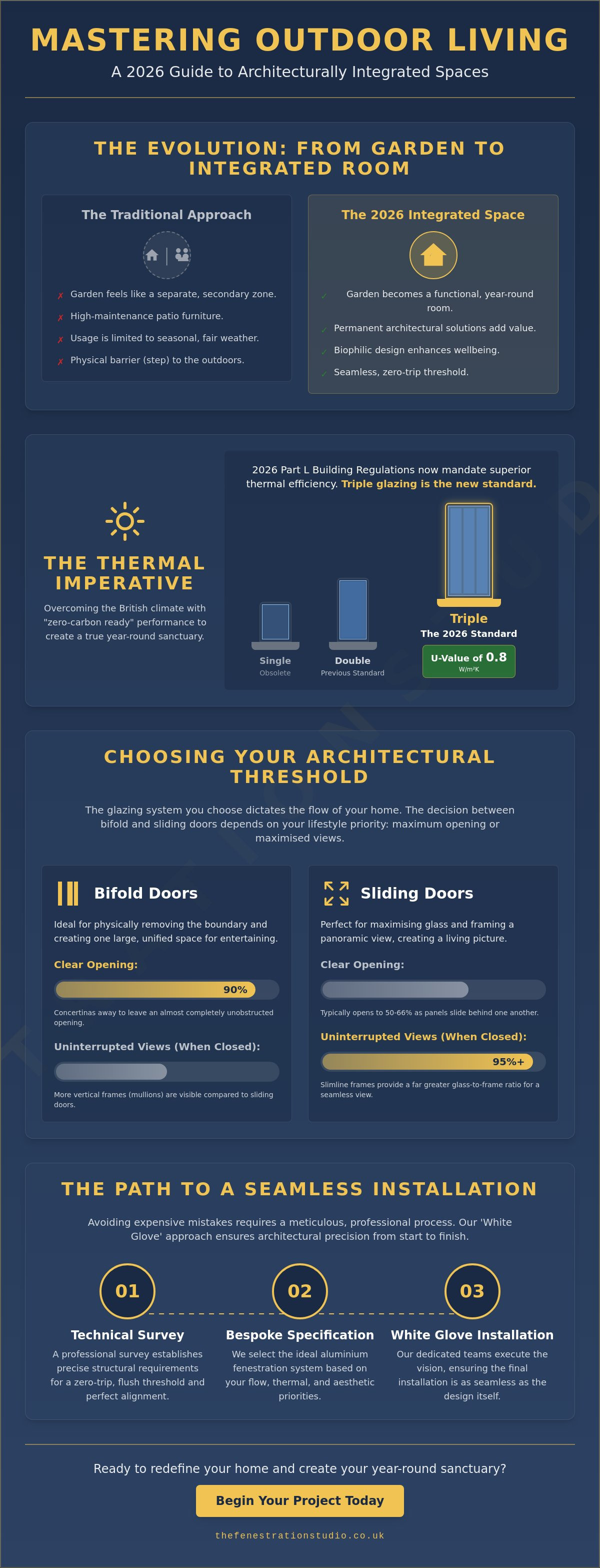
A true sanctuary doesn't shut down in October. The British climate demands spaces that perform in December just as well as they do in July. This year-round utility relies on the science of thermal breaks and high-performance glazing. Under the 2026 Part L updates, the industry has shifted towards "zero-carbon ready" performance. Triple glazing is now the standard for maintaining internal temperatures whilst providing unobstructed views of the winter garden. This constant exposure to natural light is vital during darker UK months. It isn't just about aesthetics; it's about a bespoke environment that supports your wellbeing regardless of the external temperature.
The Architectural Threshold: How Glazing Transforms Garden Access
While soft furnishings and awnings offer temporary shade, they don't solve the fundamental problem of garden access. When homeowners ask us to tell me about outdoor living, we focus on the architectural threshold. This is the structural framework that determines whether your garden feels like an invitation or a barrier. High-end aluminium systems allow for incredibly slimline profiles, maximising the glass-to-frame ratio. This ensures that even when the doors are closed, the visual connection remains unbroken. Innovative Outdoor Living Space Designs often rely on these hard architectural lines to ground the softer elements of a garden, creating a space that feels intentional rather than accidental.
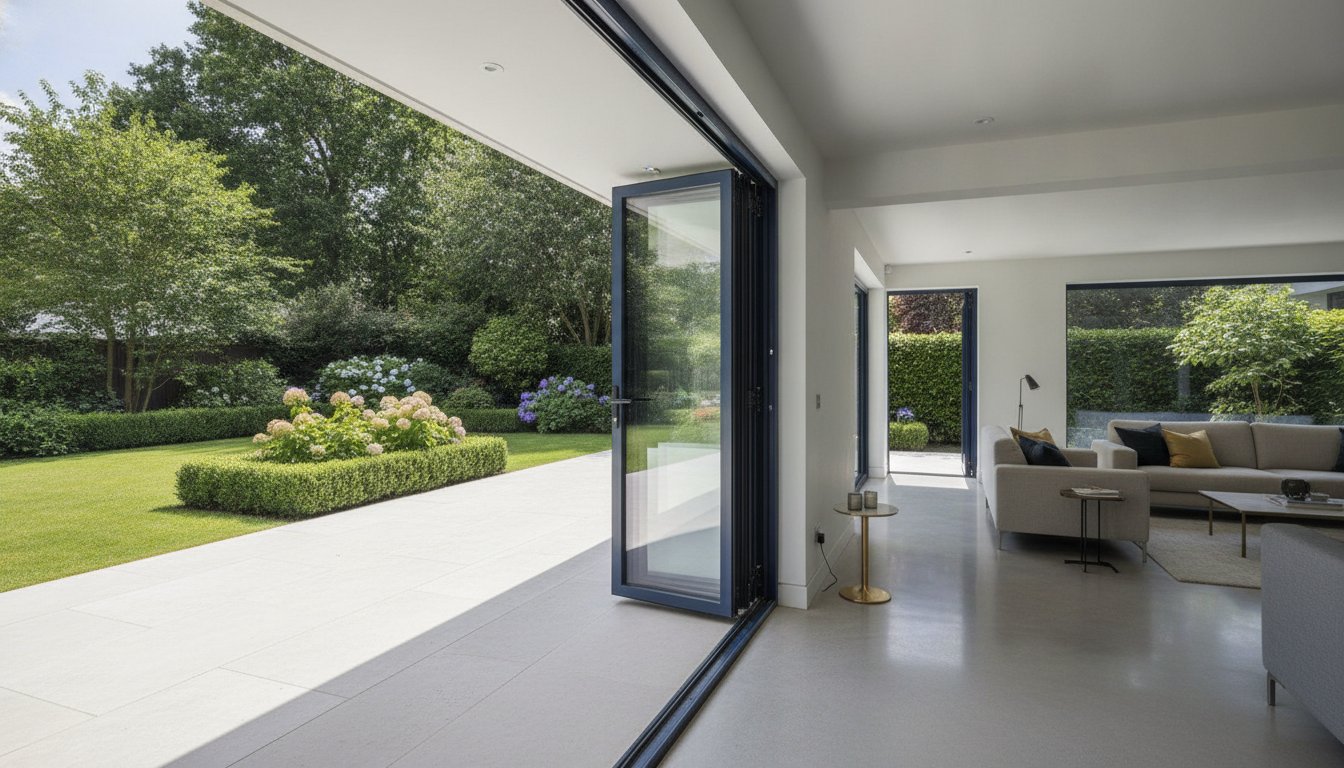
A true seamless transition is only achieved through a flush, zero-trip threshold. This requires precise structural planning during the floor-laying stage to ensure the internal floor level and external terrace are perfectly aligned. By removing the physical step, you create a psychological shift; the garden becomes a natural extension of the room. This level of specification is a hallmark of professional architectural consultancy, moving away from the "standard fit" approach towards a bespoke engineering solution.
Bifold Doors vs. Sliding Doors: Choosing Your Flow
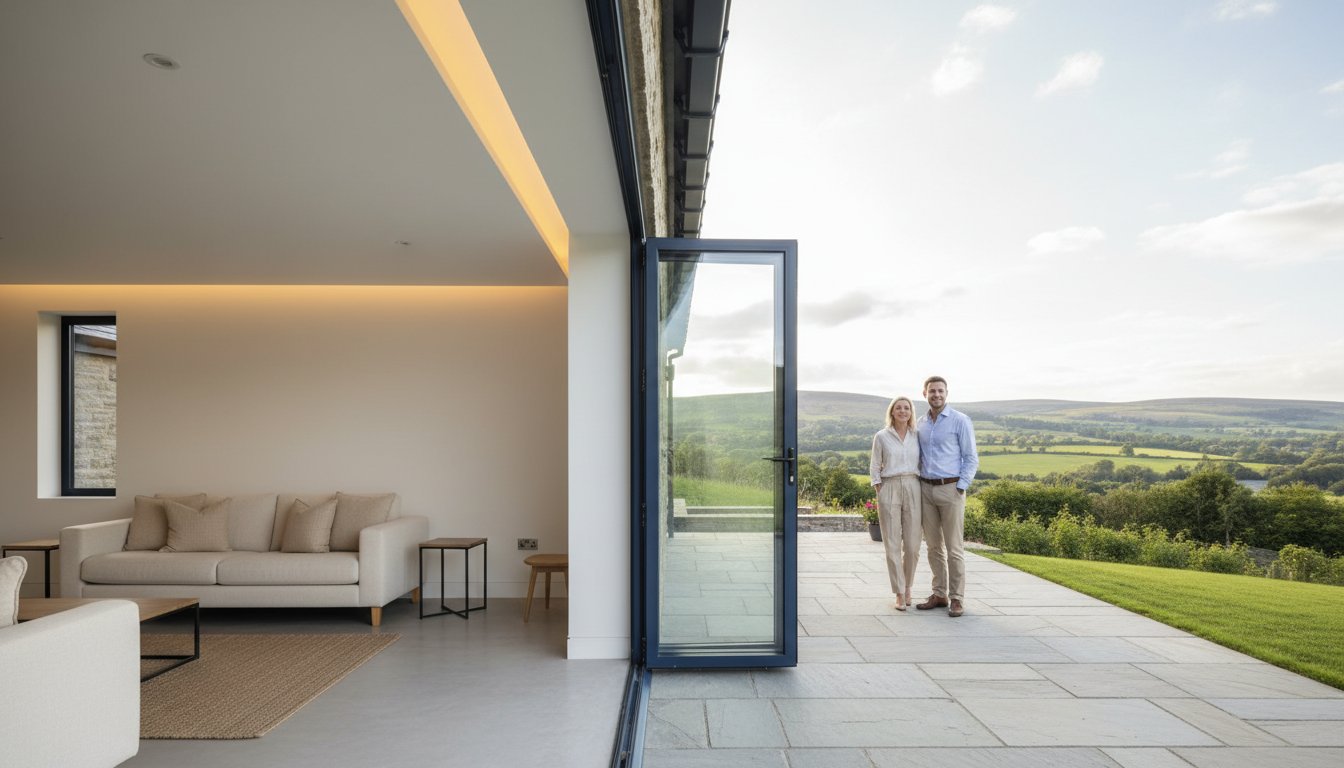
The choice between aluminium bifold doors and aluminium sliding doors is a matter of technical priority. Bifold doors offer a 90% clear opening, physically removing the wall to invite the fresh air inside. Conversely, sliding doors excel at providing uninterrupted panoramic views through larger panes of glass, which is often preferable for properties with significant vistas.
| Feature | Bifold Doors | Sliding Doors |
|---|---|---|
| Max Aperture Opening | 90% (Concertina stack) | 50-75% (Overlapping panels) |
| Visual Sightlines | More vertical frames | Expansive, minimal frames |
| Aesthetic Impact | Dynamic and versatile | Sleek and panoramic |
Heritage and Internal Systems
For properties with a specific aesthetic requirement, heritage style glazing provides a sophisticated solution. It maintains the character of traditional steel-look frames whilst offering the thermal performance required by 2026 building standards. These systems are particularly effective when used to create "visual corridors." By aligning internal glazed partitions with external doors, you create a direct line of sight from the front entrance to the back garden.
Vertical light is another essential component of the integrated home. Roof lanterns and structural skylights bring light into deep-plan outdoor living zones that might otherwise feel dark. If you're unsure which system suits your specific aperture, you can request a quote to see how these professional specifications fit your project goals.
Overcoming the British Climate: Thermal Performance and Durability
The most frequent reservation homeowners express when they ask to tell me about outdoor living is the fear of creating a "glass box" that feels like an icebox in January. It's a valid concern for those accustomed to the draughty conservatories of the past. However, modern architectural fenestration has solved the problem of thermal transfer. Premium aluminium products now utilise advanced thermal breaks. These are high-performance polyamide strips that physically separate the internal and external aluminium profiles. This structural barrier stops heat from escaping and prevents the cold from bridging into your living space, ensuring your sanctuary remains habitable regardless of the external temperature.
Durability is equally critical in the face of the British wind and rain. With 95% of construction professionals expecting material costs to rise throughout 2026, investing in longevity is a strategic financial decision. Powder-coated aluminium is the gold standard for weather resistance. Unlike timber, it won't rot, warp, or require seasonal repainting. It maintains its structural integrity and aesthetic finish for decades, providing a reliable framework for your home's transition to the garden.
Understanding U-Values and Energy Efficiency
A U-value measures the rate of heat loss through a material; the lower the number, the better the insulation. Following the April 2026 updates to the Future Homes and Buildings Standards, performance expectations have tightened significantly. Triple glazing is now the anticipated standard for high-end extensions, typically achieving U-values between 0.8 and 1.0 W/m²K. When specifying your project, look for deep-frame profiles that allow for thicker glazed units and superior air-permeability ratings. This is especially vital for exposed or coastal UK sites where wind-driven rain can test the limits of standard domestic doors.
Solar Control and Glazing Specifications
Managing the British climate isn't just about keeping the heat in; it's about preventing a "greenhouse effect" during the summer months. Bespoke glazing specifications allow us to tailor the glass to the specific elevation of your home. South-facing doors benefit from solar-control coatings that reflect a percentage of the sun's heat whilst maintaining high light transmission. We utilise argon-filled units and low-emissivity (Low-E) glass to create a sophisticated thermal envelope. These units allow short-wave solar radiation to enter and warm the room, but they trap long-wave heat radiation inside. This technical precision ensures your outdoor-indoor space performs efficiently through all four seasons.
Designing Your Sanctuary: Key Elements of an Integrated Space
Creating a year-round retreat requires a fundamental shift in perspective. Instead of viewing the garden as an add-on, we advise designing from the "inside out." When you ask a consultant to tell me about outdoor living, the conversation should immediately pivot to structural sightlines. These are the visual pathways that draw the eye from your interior living space toward specific garden focal points, such as a heritage specimen tree or a bespoke water feature. By using slimline aluminium frames, we minimise visual noise, allowing the architectural lines of your home to guide the viewer’s gaze effortlessly into the landscape. This is often the missing piece for those who ask us to tell me about outdoor living; it's the difference between a room with a window and a room that belongs to the outdoors.
Lighting plays a transformative role in extending the usability of these spaces well past sunset. In 2026, design trends favour softer, natural aesthetics with curved silhouettes and ambient, layered lighting. By mirroring your internal lighting scheme on the terrace, you prevent the glass from becoming a black mirror at night. Consistent lighting levels on both sides of the threshold maintain the illusion of a single, expansive room, providing security and comfort throughout the winter months.
The "Inside-Outside" Flooring Secret
The most effective way to blur the boundary between home and garden is through material consistency. Matching your internal floor tiles with external porcelain pavers creates a powerful visual continuity. However, this aesthetic requires high-level technical precision. You must utilise a flush track system that sits level with both surfaces. This isn't just about looks; it's a structural requirement that demands careful drainage management. A professional technical survey is essential here to ensure that rainwater is diverted away from the track, preventing the "expensive mistakes" often associated with DIY or low-quality installations.
Creating Functional Zones
An integrated space should be as functional as it is beautiful. We recommend zoning your outdoor living area based on daily habits. Position your "al fresco" dining zone close to the kitchen-to-patio flow to ensure effortless hosting. For those seeking a more dramatic architectural statement, corner sliding doors allow you to remove the corner of a room entirely. This creates a gravity-defying opening that physically dissolves the structure's edge. Whether you're creating a quiet corner for morning coffee or a social hub for evening drinks, the framework must support the lifestyle. If you're ready to define these zones in your own home, you can book a design consultation to explore the technical possibilities of your specific site.
Executing the Vision: The White Glove Approach to Bespoke Fenestration
The transition from a conceptual design to a physical sanctuary is where many projects falter. While a local "double-glazing" fitter might offer a lower initial quote, the technical complexity of modern outdoor living requires a more sophisticated architectural approach. Choosing the cheapest option often leads to expensive mistakes, particularly when dealing with the structural requirements of large-scale aluminium systems. When you ask a specialist to tell me about outdoor living, the response should focus on a managed project lifecycle rather than just a product delivery. We view glazing as a long-term investment in your property value; a well-executed installation can significantly enhance your home's market appeal whilst providing a stress-free experience from start to finish.
Our White Glove Service is designed to move away from the aggressive sales tactics common in the industry. Instead, we position ourselves as a consultative partner, guiding you through the complex technical specifications required for 2026 building standards. This methodology ensures that every structural detail, from the thermal breaks discussed earlier to the drainage requirements of a flush threshold, is handled with professional rigour. By establishing a sense of premium reliability, we protect you from the pitfalls of poorly managed extensions that fail to perform in the British climate.
The Importance of Professional Surveying
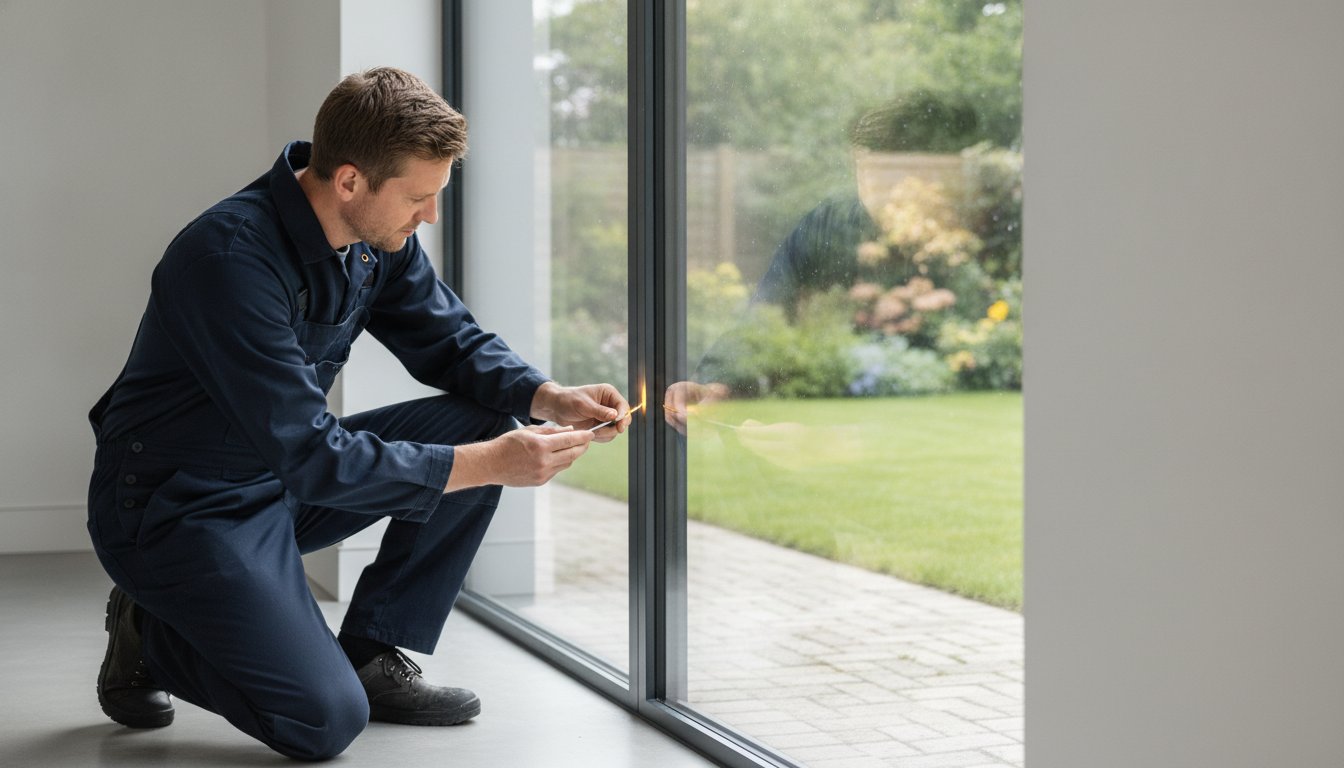
Bespoke aluminium systems are not "off-the-shelf" products; they require millimetre-precision to function correctly. A professional technical survey is the most critical stage before manufacturing begins. Our surveyors identify potential structural issues, such as inadequate lintel support or floor level discrepancies, before they become costly delays on site. This level of precision is essential for maintaining the airtightness and thermal integrity required by the latest Part L regulations. Having a single point of contact from the initial survey through to the final aftercare provides the security and peace of mind that your vision will be executed without compromise.
National Standards, Local Expertise
Successfully delivering a seamless indoor-outdoor space requires a unique combination of scale and local knowledge. By employing national standards of engineering alongside dedicated local installation teams, we ensure that your project benefits from high-end technical specifications and regional experience. Before committing to a provider, we encourage you to examine product reviews and past architectural projects to verify the quality of their framework. In a market where 95% of professionals expect material costs to rise throughout 2026, the value of getting it right the first time cannot be overstated. If you are ready to transform your home into a year-round sanctuary, you can request a bespoke quote to begin your architectural journey.
Securing Your Architectural Legacy
Transforming your home into a year-round sanctuary requires more than just a patio; it demands a precise architectural framework that prioritises the threshold. By mastering the integration of slimline aluminium systems and adhering to 2026 thermal performance standards, you protect your property from both the British climate and the 3.5% construction cost inflation forecast for this year. When homeowners ask us to tell me about outdoor living, we emphasise that the outcome is a seamless extension of the floor plan that adds tangible property value. Every specification choice, from U-values to flush thresholds, serves to dissolve the boundary between your interior and the garden.
As an independently run family business, we provide a personal touch alongside the technical rigour of our expert national installation teams. Our bespoke aluminium products are specifically engineered for the unique challenges of the UK climate, ensuring longevity and efficiency for decades to come. You don't have to settle for a garden you only use in the summer.
Request your bespoke architectural glazing quote today
Your vision of a seamless indoor-outdoor lifestyle is entirely within reach; it simply requires the right technical partner to bring that sanctuary to life.
Frequently Asked Questions
What is the best type of door for outdoor living?
The ideal choice depends on your specific architectural priorities for the space. If you want to physically remove the wall to achieve a 90% clear opening, aluminium bifold doors are the superior option. However, if your goal is to maintain an uninterrupted panoramic view even when the doors are closed, slimline sliding doors with larger glass panes are often preferred. When clients ask us to tell me about outdoor living, we evaluate the aperture size and the primary use of the room to specify the most effective system.
Do I need planning permission for bifold or sliding doors?
Most glazing replacements and small extensions fall under Permitted Development rights, meaning formal planning permission is not required. However, you must seek approval if your property is a Listed Building or situated within a designated Conservation Area. Since the 2021 and 2026 building regulation updates, all new installations must also strictly adhere to Part L regarding thermal performance. We recommend a professional technical survey to ensure your project meets these legal frameworks before work begins.
How do I keep my house warm with so much glass?
Thermal efficiency is maintained through high-specification glazing and advanced thermal breaks within the aluminium frames. Under the 2026 Future Homes Standard, triple glazing is the anticipated benchmark, offering U-values as low as 0.8 W/m²K. This level of insulation ensures that large expanses of glass do not lead to heat loss. By using argon-filled units and low-emissivity coatings, your home remains a thermally stable sanctuary even during the coldest UK winter months.
Are aluminium doors more secure than uPVC?
Aluminium is inherently stronger than uPVC, allowing for slimmer frames that don't compromise on structural integrity. Our bespoke systems feature multi-point locking mechanisms and are tested to PAS 24 security standards. This provides a robust barrier against forced entry that budget uPVC alternatives often struggle to match. For many who want to tell me about outdoor living, the security of their home is a primary concern; aluminium provides that necessary peace of mind without requiring bulky, unsightly frames.
What is a flush threshold and can I have one in my home?
A flush threshold is a floor track recessed into the ground to create a zero-trip transition between your interior floor and the external terrace. It is possible in almost any home, provided there is early architectural planning to align the internal and external floor levels. Precision drainage is essential to prevent water ingress; we utilise a dedicated weather-rated track and a professional drainage channel. This creates the seamless, "inside-out" aesthetic that defines modern integrated living.
How long does a professional glazing installation take?
A standard installation for a single set of bifold or sliding doors typically takes 1 to 2 days. More complex projects involving structural alterations or multiple apertures may require a longer programme of 3 to 5 days. We prioritise precision over speed to ensure the framework is perfectly level and the weather seals are airtight. Our methodical approach avoids the "expensive mistakes" associated with rushed, low-quality fits, ensuring the long-term durability of your investment.
Can I integrate insect screens with my sliding doors?
Yes, bespoke insect screens can be integrated directly into the frame or track system of your sliding doors. These slimline screens allow you to enjoy fresh air and natural ventilation whilst keeping insects out of your living space. They are designed to be unobtrusive, often retracting into a hidden housing when not in use. This addition is particularly useful for homes with large gardens or those located near water, where evening ventilation is a priority.
What is "White Glove Service" in the window industry?
White Glove Service describes an end-to-end premium management model that replaces the traditional "fit and forget" approach. It begins with a millimetre-precise technical survey and continues through a dedicated installation process handled by expert teams. This service ensures a stress-free project lifecycle, where every detail of the fenestration is managed with professional rigour. It is designed for discerning homeowners who value quality, transparency, and a high-end finish over the cheapest possible quote.