What if the difference between a wasted patio and a sophisticated outdoor room was a single, precisely engineered structural choice? Many homeowners find themselves asking, "Should I invest in a veranda?" only to be met with flimsy, off-the-shelf kits that fail after just two British winters. You are right to be cautious. A poorly planned addition often becomes a maintenance liability rather than a genuine architectural asset.
You likely want a space that feels like a natural extension of your home, yet concerns about planning permission and structural durability often stall the project. This guide provides the technical clarity you need to evaluate architectural integration, material longevity, and lifestyle ROI. We will explore the specific frameworks required to withstand UK weather and the design principles that ensure your new outdoor room enhances property marketability. From bespoke specifications to our White Glove installation standards, you will discover how to avoid expensive mistakes and create a seamless transition between your home and garden.
Key Takeaways
- Define the modern veranda as a permanent, glazed architectural extension rather than a temporary garden shelter or flimsy pergola.
- Compare the structural longevity and weather resistance of architectural-grade aluminium against high-maintenance timber and uPVC alternatives.
- Assess the financial ROI and property marketability to answer the core question: Should I invest in a veranda as a premium home upgrade?
- Discover how to achieve seamless aesthetic integration by colour-matching your framework with existing aluminium bifold doors and windows.
- Understand why a "White Glove Service" installation framework is essential for protecting your investment and ensuring long-term structural integrity.
Understanding the Veranda: More Than Just a Garden Shelter
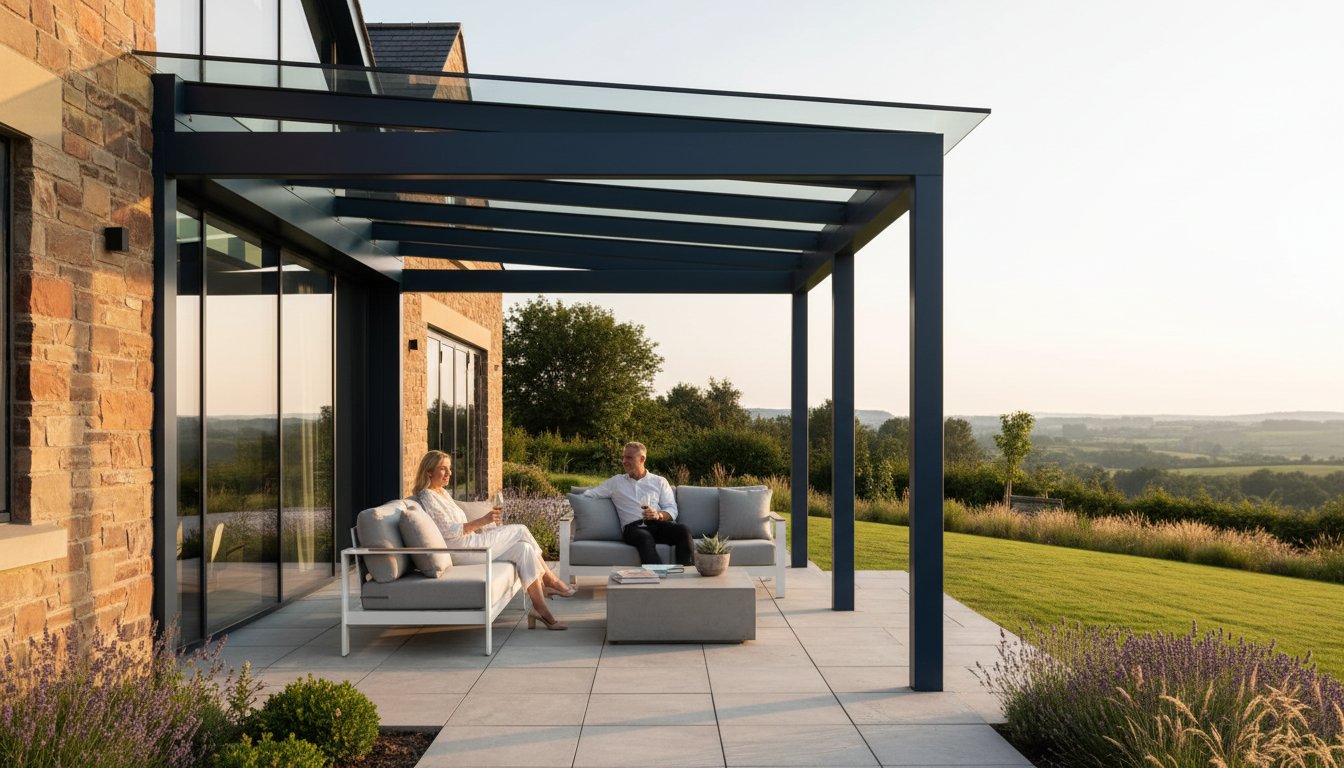
"Should I invest in a veranda?" This is a question many UK homeowners ask when they find themselves restricted by the unpredictable British weather. A modern veranda is not a temporary fix or a flimsy garden shelter. It is a permanent, glazed extension of your home’s structural framework. To gain a deeper perspective on its history and design, Understanding the Veranda as an architectural staple reveals its evolution from a simple porch to a sophisticated, high-specification living space. Unlike pergolas or fabric awnings that require seasonal storage and offer limited protection, a bespoke aluminium veranda provides a fixed, weatherproof canopy. It serves as a vital bridge between your interior and the outdoors. This architectural addition is frequently paired with aluminium bifolding doors to create a seamless transition from the kitchen to the garden. It's about more than just square footage; it's about a fundamental shift toward an "indoor-outdoor" lifestyle that prioritises fresh air and natural light without compromising on comfort.The Evolution of the British Veranda
The ornate, cast-iron structures of the Victorian era have undergone a radical transformation. Modern materials like slimline aluminium allow for a minimalist aesthetic that complements contemporary architecture. These structures are now designed for 365-day utility. Integrated infrared heating and dimmable LED lighting technology mean the space remains functional during a chilly October evening or a dark December afternoon. Because this is a significant structural investment, a "White Glove" approach is necessary. This ensures the framework is precision-engineered to handle specific UK snow loads and wind speeds, providing a level of security that budget alternatives simply cannot match.Key Lifestyle Benefits to Consider
The decision to install a veranda often stems from a desire to reclaim the garden from the elements. The benefits extend far beyond aesthetics:- Reliable Alfresco Dining: You can host a dinner party or a family barbecue without a "Plan B" for rain. The permanent roof ensures your outdoor furniture and guests stay dry.
- UV-Protected Zones: High-quality glazing provides a shielded environment for children to play or for you to enjoy a book without the risk of direct UV exposure.
- Psychological Well-being: Increased exposure to natural light is essential in the UK. A veranda allows you to feel connected to your garden and the changing seasons, which can significantly improve mood and stress levels.
Material Matters: Why Aluminium and High-Performance Glass Win
Deciding on the right materials is the most significant factor when asking, "Should I invest in a veranda?" A veranda is a permanent addition to your home's Architectural Integration, meaning it must withstand the unpredictable British weather without losing its aesthetic appeal or structural safety. Choosing the wrong material leads to expensive mistakes, often requiring total replacement within a decade.
Aluminium vs. The Alternatives
- Timber: Whilst visually traditional, timber is high maintenance. The UK averages 156 days of rain per year, which causes softwoods to warp, rot, and peel. Regular sanding and painting are mandatory to prevent structural failure.
- uPVC: This material lacks the inherent rigidity required for slimline profiles. To support the weight of a glass roof, uPVC frames must be bulky, which obstructs views and feels dated. It's also prone to UV discolouration and thermal expansion.
- Aluminium: This is the professional choice for modern fenestration. It offers a lifespan exceeding 25 years with zero maintenance. We utilise architectural-grade aluminium that is powder-coated to Qualicoat standards, ensuring colour consistency and resistance to salt-air corrosion.
Glazing Specifications for Comfort
The glass specification is the most critical technical decision you'll make. We advise against standard toughened glass for roof sections; instead, laminated safety glass is the benchmark. If an object falls onto the roof, laminated glass holds together, providing essential protection for those underneath. To ensure your new space remains a premium environment, you must consider solar control glass. This technology can reduce heat gain by up to 60 percent, preventing the space from becoming an unusable "greenhouse" during the peak summer months of July and August.
Maintenance is another concern for roof glazing. Self-cleaning coatings are essential. These coatings use UV radiation to break down organic dirt, which is then washed away by rainwater. This reduces the need for manual cleaning in hard-to-reach areas. Before you commit, explore our aluminium products to see how these specifications come together in a finished design.
Structural integrity is non-negotiable. In the UK, a veranda must be engineered to handle specific snow loads, which can reach 75kg per square metre in certain regions. Cheap, lightweight systems often buckle under heavy winter snowfall or fail during high-velocity wind events. A high-performance aluminium framework ensures the structure remains rigid and safe, regardless of the season. If you are questioning, "Should I invest in a veranda?", the answer is a definitive yes, provided the engineering meets these rigorous architectural standards.
Calculating the ROI: Is a Veranda a Sound Financial Investment?
The primary concern for most homeowners boils down to a single question: should I invest in a veranda or save that capital for a traditional brick-and-mortar extension? Whilst the initial outlay for a premium aluminium structure is significant, the return on investment (ROI) often outpaces more invasive building projects. You aren't just buying a roof; you're acquiring year-round square footage without the logistical nightmare of a full-scale construction site. It's a strategic move that balances immediate lifestyle benefits with long-term capital growth.
Adding Value to Your Property
A well-executed veranda increases the "marketability factor" of your home. Research by Post Office Money suggests that high-quality garden improvements can boost property value by up to 20%, particularly when they create a seamless indoor-outdoor flow. Prospective buyers in the UK's premium market now view high-spec outdoor living areas as essential rather than optional. However, the quality of the installation dictates the financial return. Bespoke designs that mirror your home's existing architecture hold their value because they look like an original feature rather than an afterthought.
The architectural integration is the most critical factor here. As one industry expert notes: "A veranda that matches the home’s glazing is an asset; a mismatched one is a liability." Choosing a structure that aligns with your aluminium sliding doors or window frames ensures the aesthetic remains consistent. This architectural harmony is what justifies a premium asking price when you eventually decide to sell. It creates a "wow factor" that distinguishes your property from the standard housing stock.
Cost-Effectiveness vs. Traditional Extensions
Comparing a veranda to a conservatory or sunroom reveals a stark difference in both cost and complexity. Traditional extensions often trigger a labyrinth of Building Regulations, structural calculations, and groundworks. Verandas generally bypass these hurdles because they are classified as non-habitable open spaces. This means you avoid the high costs associated with thermal insulation requirements and deep-trench foundations. You get the extra space at a fraction of the price per square metre.
- Reduced Labour Costs: Most high-end verandas are installed within two to three days. This significantly lowers the billable hours compared to a multi-month extension project.
- Asset Protection: A veranda shields expensive garden furniture, which can easily cost upwards of £3,000 for a designer set, from UV damage and rain.
- Zero Stress ROI: You gain usable space without the dust, noise, and disruption of a major building site.
When you ask yourself, "should I invest in a veranda," consider the speed of delivery. You can go from a consultation to a finished architectural feature in weeks. If you're weighing up the financial benefits, it's wise to book a design consultation to see how a technical specification can meet your budget whilst delivering maximum architectural impact.

Architectural Integration: Aligning Your Veranda with Existing Glazing
A high-end veranda must never look like an afterthought or a temporary bolt-on addition. For a property to maintain its market value and aesthetic integrity, the structure must appear as a primary component of the home’s original architectural intent. When homeowners ask, should I invest in a veranda, the answer often hinges on how well the new framework respects the existing lines of the building. A mismatched installation creates visual friction that detracts from the premium feel of a modern residence.
Achieving this level of integration requires a methodical approach to colour and geometry. We focus on matching the specific RAL powder-coating of your existing aluminium bifold doors or windows. This creates a unified "envelope" around the living space. Beyond colour, the height and pitch of the veranda roof must be calculated to clear first-floor window openings whilst maintaining a minimum 7-degree fall for effective water runoff. This precision ensures the architectural flow remains uninterrupted from the brickwork to the garden's edge.
Complementing Your Bifold or Sliding Doors
The transition between your interior and the garden should be invisible. By utilising the same aluminium products for your veranda as your primary glazing, you ensure a consistent profile and finish. We specifically design the layout so that structural posts align with the vertical sightlines of your aluminium sliding doors. This prevents a "caged" feeling and ensures your investment in slimline glazing isn't wasted by a poorly placed pillar.
- Threshold Protection: A veranda acts as a structural shield, reducing the volume of rainwater hitting your door tracks by up to 65%. This significantly lowers the maintenance requirements for sliding mechanisms.
- Visual Continuity: Matching RAL 7016 (Anthracite Grey) or RAL 9005 (Jet Black) across all frameworks provides a sophisticated, bespoke appearance.
- Unobstructed Views: Strategically placed supports maintain the panoramic impact of your wide-span glazing.
Planning Permission and Technical Specifications
Deciding "should I invest in a veranda" also involves understanding the regulatory landscape. Under UK Permitted Development rules, most verandas don't require a full planning application if they don't exceed 50% of the total land area around the original house. However, technical constraints often dictate the success of the build. A professional survey is vital to identify existing drainage runs and ensure the wall plate is attached to a load-bearing course of masonry rather than decorative cladding.
Our "White Glove" surveying process eliminates the risk of expensive errors. We use laser-levelling to ensure the floor levels of the veranda perfectly meet the internal finished floor level of the home. This creates a true flush-threshold transition. Identifying these technical points early prevents the common mistake of installing a roof that sits too low, which can make a kitchen feel dark or cramped. Precision engineering is the difference between a simple shelter and a permanent architectural upgrade.
Ready to enhance your home’s architectural profile? Book a professional design consultation to discuss your bespoke veranda requirements.
Executing the Vision: The Professional Installation Framework
When homeowners ask, "Should I invest in a veranda," they often focus on the aesthetic design and the lifestyle benefits. However, the architectural integrity of the structure depends entirely on the precision of the installation. A high-quality aluminium framework is only as effective as the engineering behind its fitting. The Fenestration Studio provides a "White Glove Service" that acts as the industry benchmark, ensuring that your investment remains a permanent, safe, and sophisticated addition to your property. Professional fitting isn't just an optional extra; it's a structural necessity that protects your home's envelope.
The difference between a premium architectural solution and a budget alternative often becomes clear during the first heavy British downpour. Poorly installed systems can lead to water ingress, dampness in host walls, or structural sagging. Our methodical approach eliminates these risks by treating every project as a bespoke engineering challenge. From the moment the components arrive to the final handover, our focus remains on technical precision and client reassurance.
The Importance of a Professional Survey
A bespoke veranda requires more than a simple tape measure. Our technical surveyors evaluate the structural capacity of your host wall and the efficiency of existing drainage systems before any manufacturing begins. This phase is critical for identifying potential site issues such as hidden cabling or unstable masonry that could compromise the installation. This survey is the blueprint for long-term structural success. By securing millimetre-perfect measurements, we ensure the final product integrates seamlessly with your home's existing architecture, avoiding the unsightly gaps or misalignments common in "off-the-shelf" solutions.
The White Glove Installation Experience
Our approach combines the agility of local expert teams with the rigorous quality control of national standards. This ensures every project meets a consistent level of technical excellence regardless of location. The installation process is designed to be unobtrusive and methodical, following a structured timeline that respects your home and your schedule.
- Site Preparation: Protecting your garden and patio surfaces before work commences.
- Structural Assembly: Precision alignment of the aluminium framework to ensure perfect levels.
- Technical Integration: Fitting of integrated guttering systems and optional lighting or heating elements.
- The Handover: A comprehensive walkthrough where we demonstrate every feature and provide maintenance guidance.
The "Zero Stress" promise means you won't be left with a mess or an unfinished project. We provide dedicated aftercare and comprehensive structural warranties, offering the peace of mind that comes from knowing your veranda is built to last. When considering if you should I invest in a veranda, remember that the quality of the team is just as vital as the quality of the glass. Ready to transform your garden? Book a design consultation with our experts.
Securing Your Architectural Legacy
Deciding should I invest in a veranda depends on whether you view your home as a static structure or an evolving architectural asset. By opting for durable architectural-grade aluminium and high-performance glass, you're choosing materials that far outlast timber alternatives, which often require maintenance every 24 months. Beyond the immediate lifestyle benefits, high-quality garden improvements can increase UK property values by as much as 16% according to data from the Post Office Money Real City House Price Index. Our independently run family business values ensure that your project isn't just another transaction. We apply a rigorous professional framework to every project, ensuring your new structure aligns perfectly with your home's existing glazing. Through our White Glove Installation Service, we handle the technical complexities so you don't have to. It's time to elevate your living space with a structure built to last a lifetime.
Request a bespoke quote for your architectural veranda
Frequently Asked Questions
Do I need planning permission for a veranda in the UK?
Most verandas fall under Permitted Development rights, meaning you won't need full planning permission for the installation. You must adhere to specific criteria: the structure shouldn't exceed 50% of the land around the original house, and it can't be taller than 4 metres. If your property is in a Conservation Area or a National Park, stricter Article 4 Directions often apply to any external modifications.
How much does a bespoke aluminium veranda typically cost?
When asking if you should invest in a veranda, consider that a bespoke aluminium system typically costs between £4,500 and £12,000 based on current UK industry data. Premium specifications with integrated drainage and toughened glass roofs sit at the higher end of this bracket. While budget polycarbonate options exist for under £2,000, they lack the structural integrity and longevity required for a high-end architectural finish.
Can a veranda be used in the winter months?
You can absolutely use a veranda during the winter months by integrating infrared heating and LED lighting into the framework. These additions transform the space into a functional outdoor room even when temperatures drop to single digits. To enhance comfort, 85% of homeowners add sliding glass walls or vertical blinds to create a wind-shielded environment that retains heat more effectively than an open structure.
What is the difference between a veranda and a glass room?
The primary difference lies in enclosure; a veranda is an open-sided sheltered canopy, whereas a glass room is fully enclosed with sliding or folding glass doors. If you're asking, "Should I invest in a veranda," consider that a glass room offers 365-day protection from the elements but requires a higher initial investment. Both structures provide a seamless transition between your home and garden whilst providing essential weather protection.
Is an aluminium veranda high maintenance?
Aluminium verandas are exceptionally low maintenance because the architectural-grade powder coating resists rust, rot, and peeling for decades. Unlike timber structures that require annual staining, an aluminium frame only needs a wipe down with soapy water every six months. You should also clear the integrated guttering of leaves twice a year to ensure the internal drainage system operates at 100% efficiency during heavy British rainfall.
Can I attach a veranda to a bungalow or a house with low eaves?
We can install verandas on bungalows or homes with low eaves using specialised brackets or goalpost structural frames. These bespoke solutions allow the roof to sit higher than the existing gutter line, maintaining a comfortable 2.1-metre head height and sufficient pitch. This technical approach ensures the structure remains stable and aesthetically consistent with the original architecture of the property without requiring major roof modifications.
Will a veranda make the interior of my house darker?
A glass-roofed veranda won't make your interior rooms darker because it allows up to 90% of natural light to pass through the overhead glazing. In fact, the reflective properties of the glass can sometimes brighten adjacent rooms by bouncing light deeper into the floor plan. If you choose a high-performance glass with a slight tint, you'll reduce glare without sacrificing the bright, airy feel of your living space.
How long does the installation of a premium veranda take?
The physical installation of a premium veranda usually takes between one and two days for a standard residential project. Because the components are precision-engineered off-site to your exact specification, the on-site work is efficient and creates minimal disruption to your daily routine. Our White Glove Service ensures the site is left immaculate, with all structural fixings and seals double-checked for long-term performance and safety.