Why do so many high-end extensions feel cold and draughty despite the presence of expansive overhead glazing? You likely recognise that adding glass should create a superior living environment, yet the reality often involves uncomfortable thermal loss or a confusing mix of terminology that leads to the wrong architectural choice. It's a common anxiety for homeowners who fear that poor installation or incorrect product selection might compromise their comfort and their investment.
This guide empowers you to master the technical and aesthetic differences between roof lights and roof lanterns, ensuring your renovation project utilises premium aluminium glazing to its full potential. By understanding the nuances of the 2026 Building Regulations and the Future Homes Standard, you can secure a light-filled space that remains thermally efficient even in the height of winter. We will explore everything from U-value compliance and structural safety to the precise design choices that add significant, long-term value to your property through a professional, end-to-end service.
Key Takeaways
- Distinguish between the minimalist aesthetic of flat glazing and the architectural grandeur of pitched designs to select the ideal profile for your property.
- Master the technical specifications of 2026 thermal standards; focus on aluminium frames that prevent heat loss and reduce energy consumption.
- Navigate the latest regulatory requirements and structural safety standards to ensure your installation is fully compliant and professionally certified.
- Optimise natural light distribution and enhance property value by correctly positioning roof lights and roof lanterns within your architectural layout.
- Transition from "supply only" risks to a premium end-to-end service, prioritising professional surveying for a precision-engineered and leak-free finish.
Defining Modern Roof Glazing: The Difference Between Roof Lights and Roof Lanterns
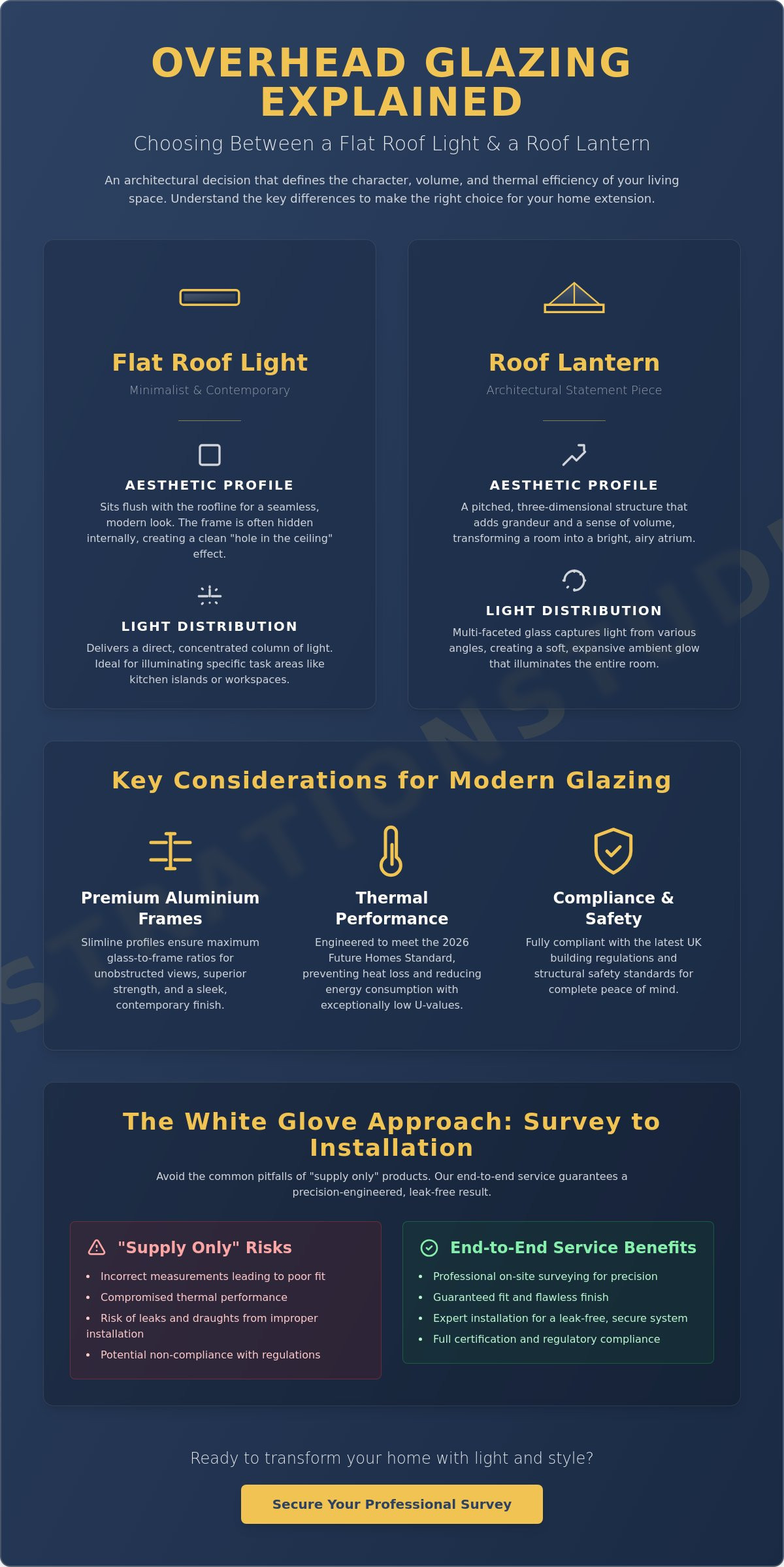
The choice between roof lights and roof lanterns is rarely just about illumination; it's a fundamental architectural decision that dictates the volume and character of your living space. Whilst many homeowners use the term "skylight" as a catch-all, this is technically incorrect within the UK glazing industry. A skylight typically refers to a window integrated into a pitched roof slope. In contrast, architectural glazing for flat roof extensions involves either a horizontal "roof light" or a three-dimensional "roof lantern". Precision engineering in 2026 has shifted the focus toward slimline aluminium frames. These systems prioritise maximum glass-to-frame ratios, allowing for unobstructed views and superior thermal performance. Selecting the right profile requires an understanding of how each structure interacts with your home's existing architecture and your desired internal atmosphere.
What is a Flat Roof Light?
Flat roof lights offer a minimalist solution that sits flush or with a very low profile against the roofline. They're the preferred choice for contemporary extensions where the goal is a seamless connection to the sky. From an internal perspective, the structural frame is often completely hidden within the ceiling aperture. This creates a clean finish that doesn't distract from the interior design. It's an understated approach that prioritises light over form, making it ideal for modern kitchens or open-plan living areas where clean lines are a priority.
What is a Roof Lantern?
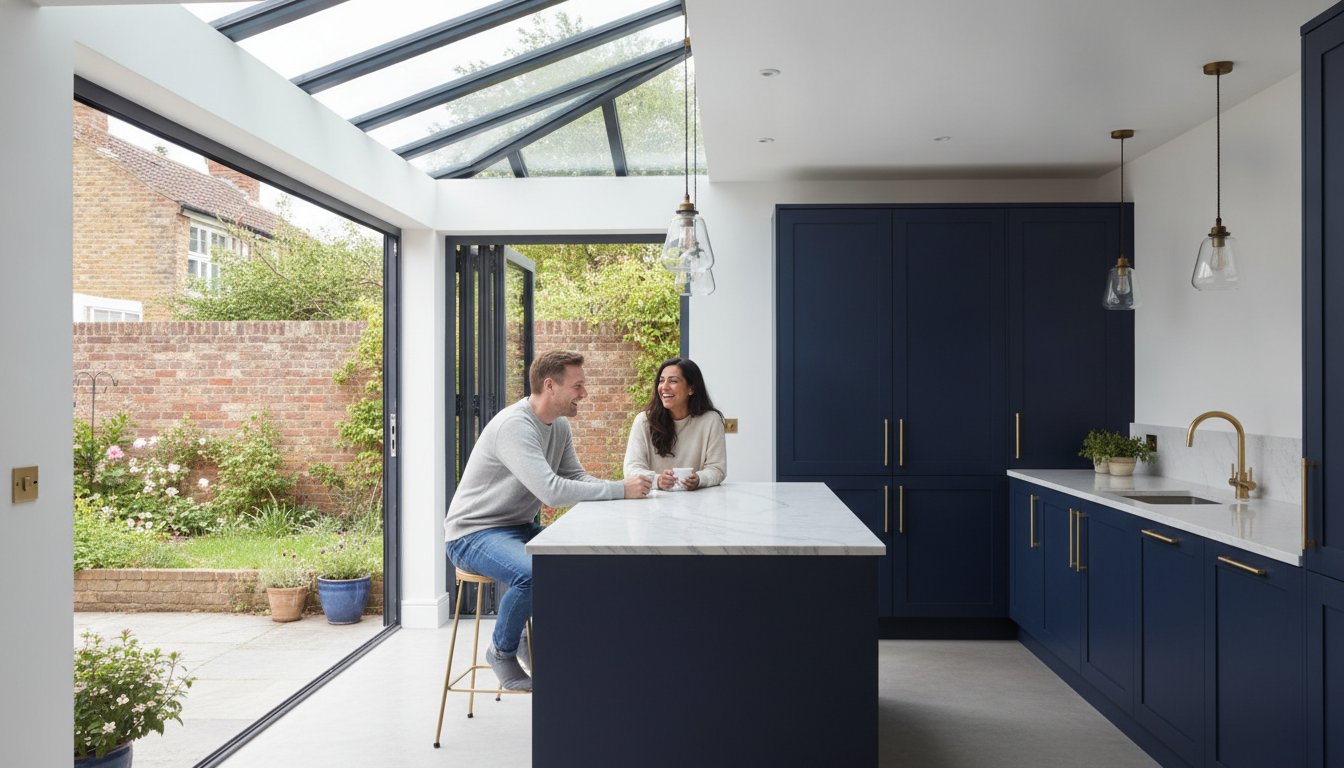
In contrast, a roof lantern is a statement piece. It's a pitched, multi-paneled glass structure that rises above the roofline to create a sense of grandeur. You'll often find these in orangeries or traditional-meets-modern extensions where the objective is to add physical height to a room. To understand the historical evolution of these structures, one might ask: What is a Roof Lantern? Historically, they were used to provide light and ventilation to large halls; today, they serve as a sophisticated focal point amongst high-end residential designs. The psychological impact of the increased ceiling volume cannot be overstated, as it transforms a standard room into a bright, airy atrium.
Our range of aluminium products reflects this diversity in design. Whether you seek the quiet elegance of a flat glass unit or the dramatic presence of a tiered lantern, the structural integrity of aluminium ensures that even the slimmest sightlines provide robust support. This material choice is critical for achieving the sleek aesthetic that defines current architectural trends. By moving away from bulky uPVC alternatives, you ensure that the glass remains the primary feature, flooding your home with natural light whilst maintaining a sophisticated, professional finish.
Roof Lantern vs Flat Roof Light: Selecting the Right Profile for Your Home
Choosing between roof lights and roof lanterns involves more than selecting a shape; it's a decision regarding how you wish to manipulate natural light. Light distribution varies significantly between these two profiles. A flat roof light provides a punchy, vertical column of light that is ideal for illuminating a specific task area, such as a kitchen island or a desk. In contrast, a lantern uses its multiple facets to catch light from various angles, bouncing it across the room to create a softer, more expansive ambient glow. This distinction is vital for homeowners who want to avoid the "dark corners" often associated with deep-plan extensions.
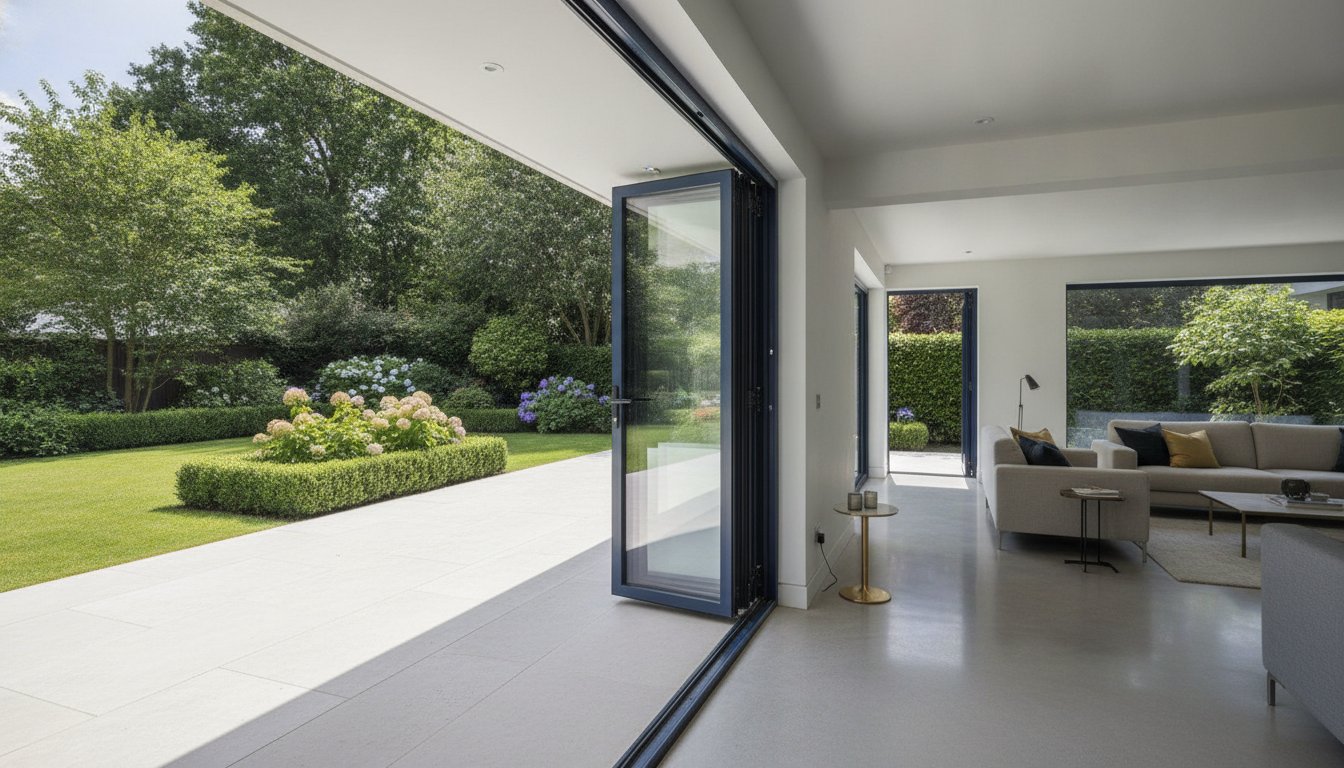
Architectural harmony is another critical factor. If your project includes aluminium bifolding doors, maintaining sightline consistency is essential for a high-end finish. Using the same slimline aluminium profiles and RAL colour finishes across both your doors and roof glazing ensures a unified aesthetic. It prevents the extension from feeling like a collection of mismatched components, which can happen when mixing different manufacturers or materials. This level of precision is what differentiates a standard renovation from a bespoke architectural statement.
Aesthetics and Property Style
Property age often dictates the most appropriate glazing choice. Heritage properties and traditional orangeries are naturally suited to aluminium roof lanterns, as their pitched design mimics classic conservatory styles whilst offering modern thermal benefits. Conversely, contemporary builds and minimalist extensions often pair flat glass with aluminium sliding doors. The low-profile nature of a flat system ensures that the roofline remains clean and unobstructed. Most residential installations fall under UK Permitted Development Rules, but you should always verify local constraints if you live in a conservation area or a listed building.
Light Management and Interior Volume
The physical presence of a lantern adds much-needed volume to rooms with lower ceilings. By creating an internal atrium effect, it draws the eye upwards and makes the living space feel considerably larger than its footprint suggests. The pitch of a lantern influences light refraction by capturing low-level winter sun that flat systems might miss, ensuring the room remains bright even during the shorter days of the year. For smaller extensions where a lantern might feel visually overwhelming, a flat system provides a "well-light" effect that feels intentional and proportional. If you're struggling to visualise which profile best suits your floor plan, you can request a professional design consultation to explore bespoke configurations.
Ultimately, the cost-to-value ratio of premium aluminium glazing is superior to budget alternatives. Whilst the initial investment is higher than uPVC, the long-term benefits of structural integrity and thermal efficiency are far greater. Aluminium won't warp, rot, or discolour over time, ensuring that your 2026 home improvement project retains its value for decades to come.
Thermal Performance and Technical Specifications: Why Aluminium Matters
The architectural appeal of roof lights and roof lanterns is undeniable, yet their success as a long-term investment depends entirely on technical performance. In the past, overhead glazing was often associated with significant heat loss in winter and stifling temperatures in summer. Modern engineering has eliminated these concerns through the integration of advanced thermal breaks. Because aluminium is a natural conductor, a high-performance polyamide bridge is inserted between the inner and outer frames. This component creates an insulated barrier that halts cold transfer and prevents the internal condensation that often plagues budget uPVC alternatives.
Understanding U-values is essential for any homeowner planning a 2026 renovation. A U-value measures the rate of heat transfer through a structure; quite simply, the lower the number, the better the insulation. As of 2026, the updated Approved Document L mandates a limiting U-value of 2.20 W/(m²K) for rooflights. Whilst this represents the legal minimum, our premium aluminium systems are designed to exceed these standards, frequently achieving values between 1.0 and 1.4 W/(m²K). This superior insulation ensures your new extension remains a comfortable, usable space throughout the year whilst keeping energy bills manageable.
Solar control glass is another critical specification for south-facing rooms. This specialised coating reflects a significant portion of solar heat radiation whilst allowing natural light to flood the interior. It effectively prevents the "greenhouse effect" that can make glazed rooms uncomfortable during the summer months. To maintain this clarity without constant maintenance, we recommend self-cleaning glass. This technology uses ultraviolet light to break down organic dirt, which is then washed away by rainwater. It's a practical necessity for overhead glazing where manual cleaning is often difficult or dangerous.
Advanced Glazing Options for 2026
Choosing between double and triple glazing depends on your specific priorities for thermal and acoustic insulation. Triple glazing offers the highest level of thermal retention and is particularly effective in exposed or north-facing locations. For properties near busy roads or under flight paths, acoustic laminate glass provides a significant reduction in external noise pollution. The inherent strength of aluminium allows it to support these heavier glass units without requiring bulky, sightline-obscuring frames.
Durability and Maintenance
Aluminium is the only material that truly withstands the rigours of the British climate without compromising its structural integrity. Unlike timber, it won't rot or warp when exposed to moisture; unlike uPVC, it won't become brittle or discolour under UV exposure. Our powder-coated finishes are designed for longevity, requiring nothing more than an occasional wipe down with soapy water. This resilience ensures that your investment remains weatherproof and aesthetically pristine for decades, regardless of how harsh the winter conditions become.
Installation Logistics and Regulatory Standards for UK Homeowners
Successful installation of roof lights and roof lanterns requires more than just a skilled fitter; it demands rigorous adherence to the 2026 UK Building Regulations. Whilst the aesthetic design often takes centre stage, the technical compliance of the installation ensures the long-term safety and efficiency of your home. It's a complex process where structural integrity meets thermal performance. Homeowners must recognise that even the most premium aluminium glazing will fail if the aperture isn't prepared with mathematical precision or if the existing roof structure is unable to bear the additional load.
Managing the structural requirements is the first priority. As of 2026, any changes to a roof opening fall under Part A of the Building Regulations. This ensures the structure safely supports the weight of the new glazing, particularly with larger aluminium lanterns that require specific load-bearing calculations. Transitioning to the new BS EN 1991-1-1:2025 standards means that installations must now meet the latest requirements for wind and snow loading. Neglecting these details doesn't just risk a leak; it risks the structural stability of your extension.
Planning Permission and Building Regs
Most installations fall under "Permitted Development," provided the glazing doesn't project more than 150mm from the roof plane or exceed the height of the existing ridge. However, compliance with Building Regulations remains mandatory regardless of planning status. Part L mandates strict thermal performance, whilst amendments to Approved Document B, taking effect 30 September 2026, place a higher emphasis on fire safety for specific property types. Additionally, overhead glazing must utilise toughened or laminated safety glass to prevent injury in the event of a breakage, ensuring your home remains a secure environment.
The Role of Professional Surveying
Relying on "off-the-shelf" sizes is a common industry pitfall that often leads to significant delays and budget overruns. A bespoke architectural project deserves a bespoke approach. Our professional surveying process eliminates the risk of manufacturing errors by taking exact site measurements that account for finished plaster lines and drainage falls. This precision ensures a perfect fit the first time, preventing the leaks and draughts associated with poor-quality installations. It's why we recommend booking a design consultation at the earliest stage of your project to align your architectural vision with technical reality.
Coordinating the installation timeline is equally critical when managing a larger renovation. A typical installation for a mid-sized lantern takes between two and three days, but bespoke aluminium frames often require lead times of 10 to 17 working days. By planning ahead and ensuring your structural work is signed off by Building Control, you avoid the stress of a stalled renovation. If you're ready to move from the drawing board to the build phase, you can request a quote for a precision-engineered installation that meets all current standards.
The White Glove Approach: Professional Surveying and Installation Excellence
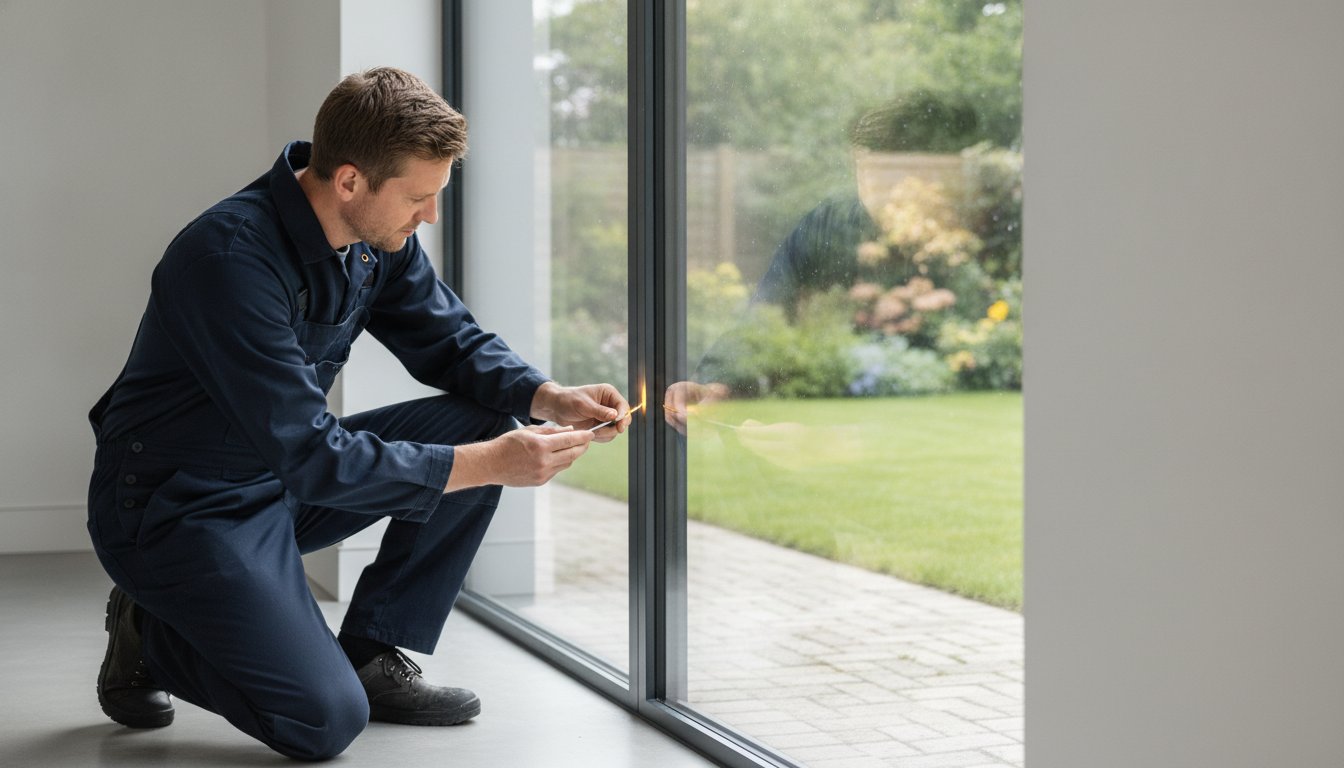
The final stage of any architectural glazing project is the most critical. Whilst many retailers offer a "supply only" service, this approach often leaves homeowners vulnerable to the risks of poor fitting and structural misalignment. Transitioning to a complete end-to-end service ensures that the technical integrity of your roof lights and roof lanterns is maintained from the initial design to the final handover. Professional installation isn't merely a manual task; it's a precision engineering service that guarantees the long-term performance of your investment.
A professional glazing survey serves as the foundation of this excellence. Unlike a general builder's estimate, a specialist survey involves millimetre-accurate measurements and a thorough assessment of the roof's structural capacity. It accounts for drainage falls, internal plastering details, and the specific load-bearing requirements of the aluminium frames. This methodical approach ensures that every component is manufactured to the exact requirements of your property, eliminating the need for on-site "adjustments" that compromise the product's weatherproofing or thermal efficiency.
Expert Installation vs. DIY Fitting
Entrusting complex aluminium glazing to non-specialist builders is a significant financial risk. Specialist installers understand the nuances of precision levelling and advanced sealing techniques that are essential for a leak-free finish. Even a minor deviation in the pitch or a slight gap in the thermal break can lead to water ingress or heat loss. Professional fitting is also a prerequisite for preserving your product warranty. If an "off-the-shelf" unit is incorrectly installed by a third party, manufacturers often refuse to honour guarantees, leaving you liable for costly repairs.
The Fenestration Studio Experience
Our approach is defined by a commitment to honest, consultative advice rather than high-pressure sales tactics. We believe in transparency regarding lead times, technical limitations, and the long-term maintenance of your glazing. The "White Glove" promise represents our dedication to precision and cleanliness; our teams treat your home with the professional rigour it deserves, ensuring a spotless handover. This methodical service allows you to seamlessly integrate your roof glazing with premium aluminium windows, creating a cohesive architectural aesthetic throughout your home.
By choosing a service that balances local regional presence with high-level industry standards, you secure a stress-free project lifecycle. Our aftercare programme provides the final layer of security, offering robust guarantees that protect your roof lights and roof lanterns for decades to come. This isn't just about fitting a window; it's about delivering a light-filled, thermally efficient living space through a partnership built on technical expertise and professional integrity.
Elevating Your Home with Precision Architectural Glazing
Transforming your extension into a light-filled sanctuary requires a balance of aesthetic vision and technical rigour. Whether you choose the minimalist profile of a flat glass unit or the dramatic volume of a pitched structure, your selection of roof lights and roof lanterns will define the character of your living space for years to come. By prioritising high-performance aluminium and adhering to the 2026 thermal standards, you secure a home that remains comfortable, efficient, and visually striking throughout the seasons.
As a family-run business with a personal touch, we provide the expert national installation teams and the comprehensive White Glove Service necessary for a flawless result. We remove the uncertainty of complex regulations and the fear of poor installation through our methodical, consultative approach. Your project deserves the precision of professional engineering and the security of a trusted partner. Book a Professional Design Consultation for Your Glazing Project today to begin your journey toward a brighter, more sophisticated home. We look forward to helping you realise your architectural vision with confidence and clarity.
Frequently Asked Questions
Do I need planning permission for a roof lantern or roof light?
Most installations fall under Permitted Development rights and don't require a full planning application. You generally won't need permission if the unit doesn't project more than 150mm from the roof plane or exceed the highest part of the existing roof. However, if you live in a conservation area or a listed building, you must obtain specific consent from your local authority before proceeding with any structural changes.
Will a roof lantern make my room too cold in the winter?
Modern aluminium systems are engineered to prevent excessive heat loss through advanced thermal breaks and high-performance glazing. As of 2026, Building Regulations mandate strict U-values to ensure energy efficiency and comfort. Selecting triple glazing or units with low-emissivity coatings ensures your living space remains warm and usable even during the coldest British months, effectively eliminating the draughts associated with older installations.
What is the difference between a roof light and a skylight?
A roof light is designed for installation on a flat roof extension, whereas a skylight is typically an opening window integrated into a pitched roof slope. Whilst the terms are often used interchangeably in the UK, architectural roof lights and roof lanterns are structural elements engineered specifically for flat roof applications to maximise overhead volume and light distribution within modern extensions.
Can I install a roof lantern on an existing flat roof?
Yes, you can install these units on an existing flat roof, provided the structure is assessed for its load-bearing capacity. A professional surveyor must calculate whether the existing joists can support the weight of the aluminium frame and glass. In some cases, additional timber or steel reinforcement is required to ensure the roof remains stable and compliant with Part A of the Building Regulations.
How do I clean a roof lantern if it is high up?
We recommend specifying self-cleaning glass technology for any installation that is difficult to access. This specialised coating uses UV light to break down organic dirt, which is then washed away by rainwater. For stubborn debris, an occasional rinse with a telescopic water-fed pole is usually sufficient to maintain the clarity and aesthetic of your glazing without the need for professional cleaning services or dangerous ladder work.
Are aluminium roof lights better than uPVC?
Aluminium is the superior choice for structural roof applications due to its exceptional strength-to-weight ratio and durability. Unlike uPVC, aluminium won't warp, discolour, or become brittle when exposed to the elements. This inherent strength allows for much slimmer sightlines, ensuring you benefit from a larger glass area and a more sophisticated, architectural finish that adds genuine long-term value to your property.
How much light does a roof lantern actually add to a room?
A roof lantern can introduce up to three times more natural light than a standard vertical window of the same size. Because they capture light from multiple angles throughout the day, they effectively eliminate shadows in deep-plan rooms. This transformation creates a brighter, more inviting environment that significantly reduces the need for artificial lighting during daylight hours, even on overcast days.
What is a U-value and why does it matter for my roof glazing?
A U-value measures the rate of heat transfer through a material; a lower number indicates better insulation. It's a critical metric for 2026 compliance, as it determines how effectively your glazing retains heat within the home. Investing in units with low U-values ensures your home meets the latest Future Homes Standard and helps to lower your long-term energy expenditure by reducing the demand on your heating system.