The slimmest frame on the market might be the most expensive mistake you make if you ignore the structural engineering behind the glass. When searching for slimline aluminium windows UK, it is easy to feel overwhelmed by technical jargon like U-values and thermal breaks whilst trying to avoid high-pressure sales tactics. You likely already know that your windows are a permanent architectural decision, and failing to meet the current Part L requirement of 1.4 W/(m²K) for replacements can significantly impact your property's value and thermal efficiency, especially since windows account for 18% of a home's heat loss.
We promise to show you how to achieve a minimalist, high-end aesthetic through professional technical specification and precision engineering. This guide compares the flush-fitting Residence R2 system against modern aluminium alternatives, detailing how to secure a seamless transition between your indoor and outdoor spaces. You will learn how our White Glove installation framework eliminates the stress of the renovation process, ensuring your project meets the 2026 Future Homes Standard targets without compromising on style.
Key Takeaways
- Understand the architectural shift toward minimalist fenestration and how reduced profiles maximise natural light whilst creating a seamless indoor-outdoor transition.
- Discover how precision engineering and polyamide thermal breaks allow slimline aluminium windows UK to meet strict Part L thermal standards without compromising structural integrity.
- Identify the core risks within the "7 Mistakes" framework, specifically why opting for the cheapest quote or a supply-only retail sale often leads to expensive rectification costs.
- Learn why a professional survey and technical specification are the most critical phases of your project, ensuring the final product matches your site's specific structural requirements.
- Explore the benefits of a White Glove installation service that combines local expertise with national standards to deliver a stress-free experience and add long-term property value.
Understanding Slimline Aluminium Windows and Modern Aesthetics
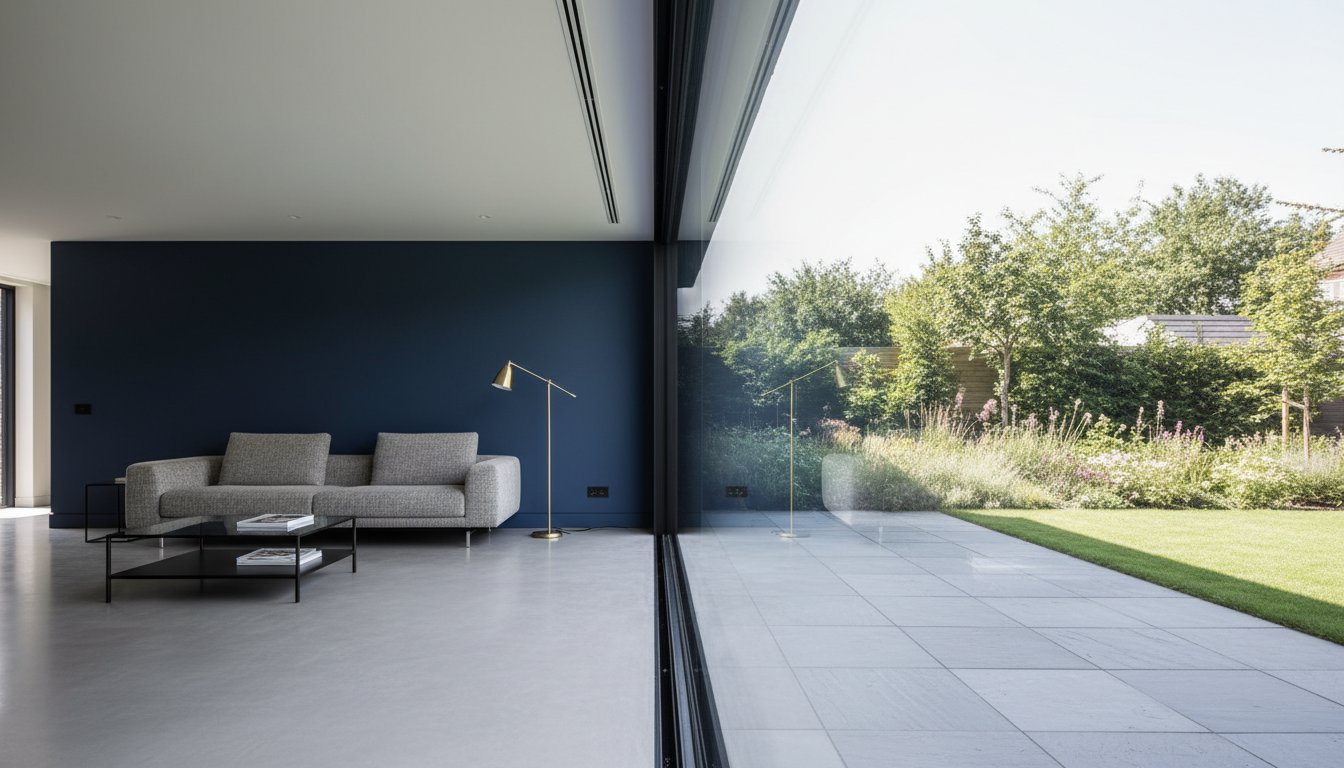
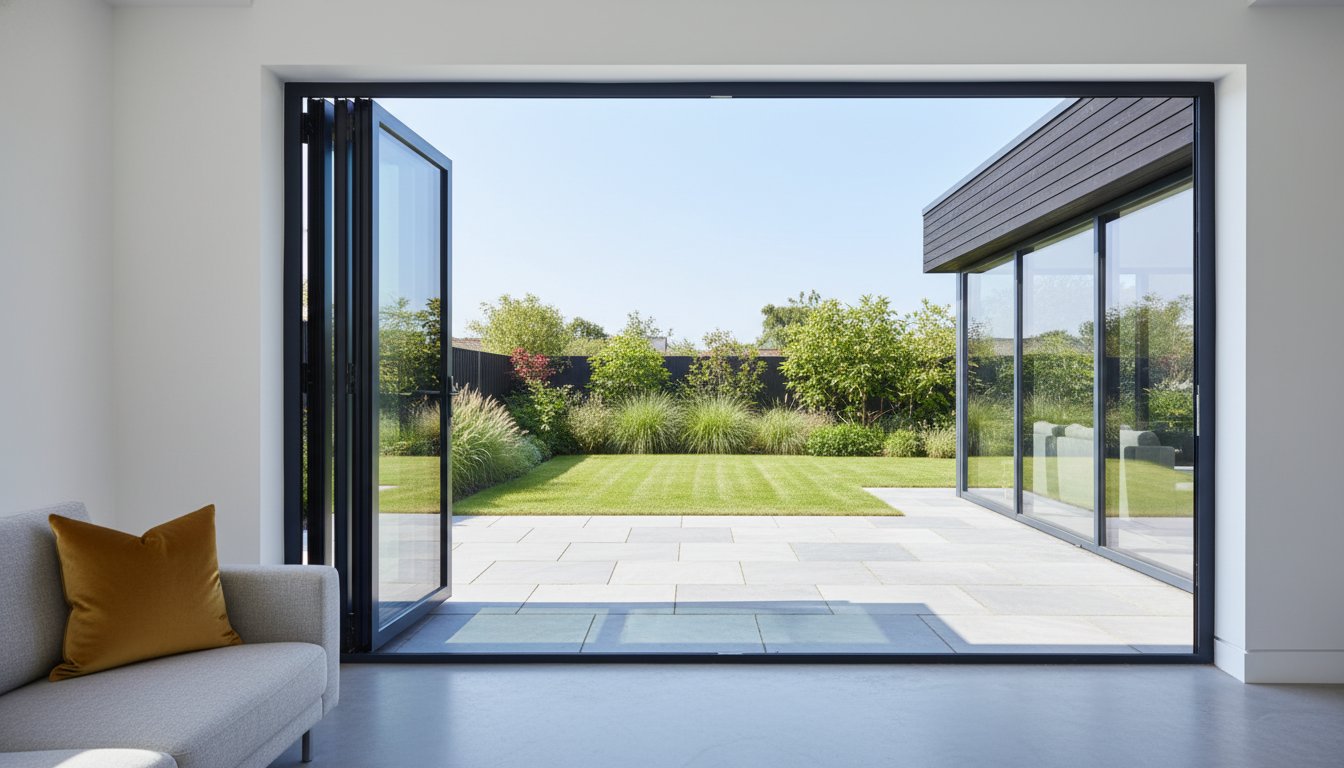
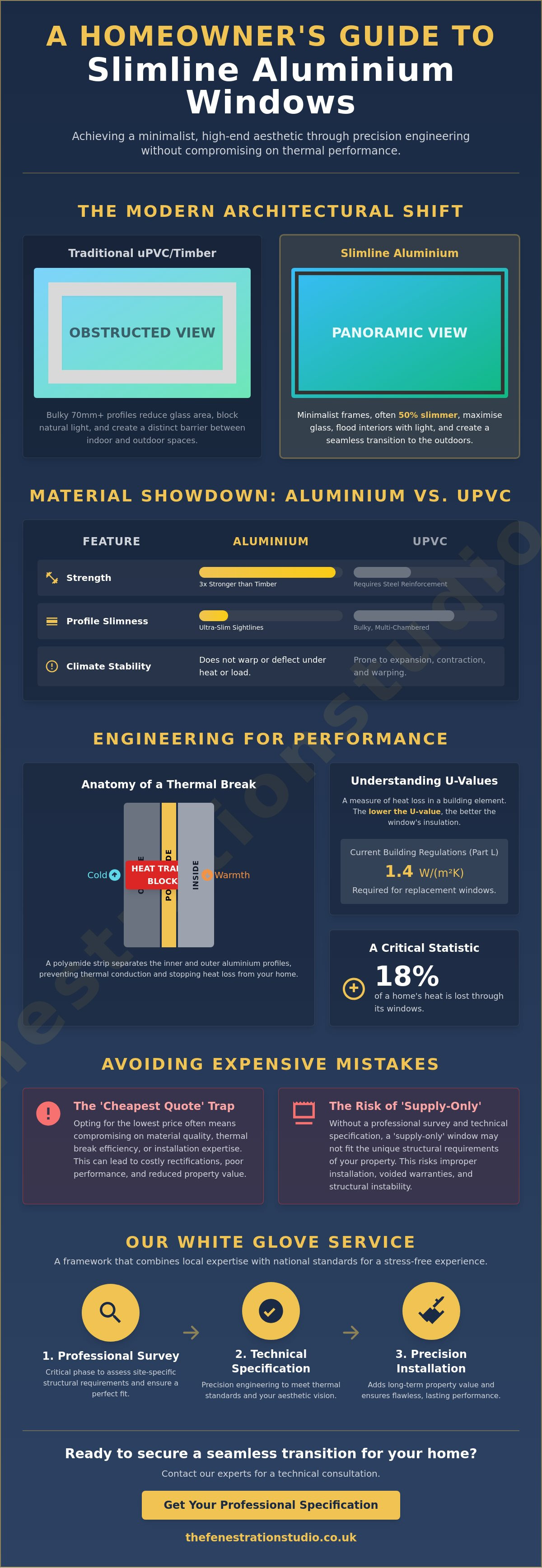
Slimline fenestration describes a specific engineering approach where frame profiles are reduced to their absolute minimum. The primary objective is to maximise the glass surface area, allowing for an influx of natural light that traditional 70mm profiles simply cannot accommodate. In the UK, we've seen a decisive architectural shift away from chunky, obstructive frames toward minimalist, barely-there glazing. This isn't merely a stylistic preference. It's a response to the proven impact of natural light on occupant wellbeing and interior design, where the window acts as a transparent canvas rather than a structural barrier.
Achieving this aesthetic requires a material with exceptional structural properties. Aluminium is the only viable choice for these specifications. Its inherent strength allows it to support heavy, high-performance double or triple glazing whilst maintaining a profile that is often 50% slimmer than timber or plastic alternatives. This structural rigidity ensures that even in large apertures, the frames remain narrow and the sightlines remain clear.
The Evolution of the Slimline Profile
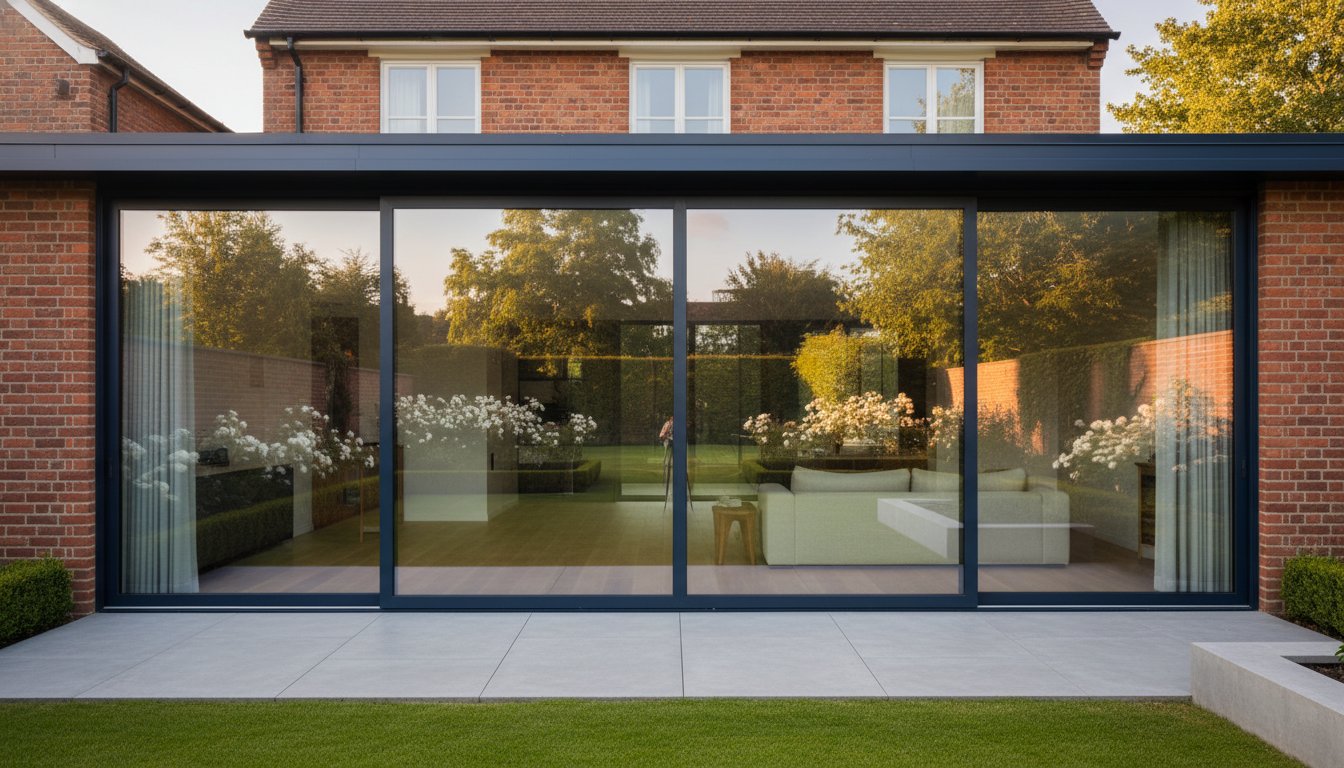
Traditional casement depths were historically dictated by the limitations of timber and early uPVC, which required significant bulk to remain stable. Modern slimline specifications have moved beyond these constraints. By utilising precision-engineered alloys, we can now offer sightlines that complement both contemporary minimalist builds and sensitive heritage restorations. For a heritage property, these slim profiles mimic the appearance of original steel windows, maintaining the building's character whilst providing the thermal benefits of modern window insulation technologies. The result is an unobstructed panoramic view that connects the interior living space with the external landscape.
Why Aluminium Beats uPVC for Minimalist Design
The primary reason for choosing aluminium over uPVC is the strength-to-weight ratio. Aluminium is roughly three times stronger than timber and significantly more rigid than uPVC. Plastic frames require thick, multi-chambered profiles and internal steel reinforcement to prevent warping, especially when exposed to the fluctuating UK climate. This bulkiness is the antithesis of minimalist design.
Choosing aluminium windows ensures that your framework will not deflect or twist under the weight of large glass panes. Whilst uPVC may appear to be a cost-effective alternative initially, it cannot achieve the same "razor-thin" aesthetic without compromising on structural security. Professional architectural projects prioritise aluminium because it allows for larger spans of glass and tighter tolerances, ensuring a consistent, high-end finish that adds measurable property value.
The Engineering Behind High-Performance Slimline Frames
Slimness without substance is a structural liability. To achieve the minimalist aesthetic of slimline aluminium windows UK without sacrificing thermal performance, engineers utilise a sophisticated thermal break. This involves a polyamide strip, a high-strength plastic insulator, which is "crimped" between the internal and external aluminium profiles. Because aluminium is a natural conductor of heat, this break is essential to prevent energy from leaching out of your home. It effectively creates a barrier that stops the cold from the outside meeting the warmth of your interior, preventing the condensation issues often associated with older metal frames.
The quality of the aluminium alloy itself is just as critical. We specify high-grade architectural alloys that offer the necessary rigidity to prevent frame deflection. When you're dealing with large spans of glazing, even a few millimetres of movement can lead to draughts or mechanical failure of the hardware. Precision engineering ensures that despite the reduced surface area of the frame, it remains entirely stable under the weight of high-performance glass units. This structural framework also allows for the seamless integration of multi-point locking systems. These security components are housed deep within the profile, providing robust protection without adding any visual bulk to the sightlines.
Thermal Efficiency and U-Values Explained
Understanding U-values is the best way to cut through marketing fluff. A U-value measures the rate of heat transfer; the lower the number, the better the insulation. Current UK building regulations for windows require a maximum U-value of 1.4 W/(m²K) for replacement projects. We achieve these figures by combining slimline frames with argon-filled units and low-emissivity (Low-E) glass coatings. These coatings reflect heat back into the room, directly addressing the fact that 18% of a home's heat is typically lost through the glazing. For those looking ahead to the 2026 Future Homes Standard, moving toward triple glazing can push these values even lower, ensuring your property remains efficient for decades.
Acoustic Performance and Weather Resistance
The British climate demands fenestration that can withstand high wind loads and horizontal rain. High-performance slimline frames are tested rigorously for air and water tightness, particularly for exposed coastal or hilltop locations. Beyond weatherproofing, the density of modern glazing specifications plays a vital role in acoustic insulation. By using varied glass thicknesses within a single unit, we can disrupt sound waves and significantly reduce external noise pollution from traffic or neighbours. This technical approach ensures your home remains a quiet sanctuary. To maintain this performance over time, we use marine-grade powder-coated finishes that resist corrosion and fading, even in harsh environments.
If you're ready to see how these technical specifications can be tailored to your specific project, you can book a professional design consultation with our technical team.
Avoiding Expensive Mistakes: The 7 Mistakes Framework
High-end glazing is a technical installation, not a simple retail product. One of the most frequent errors homeowners make is treating the purchase of slimline aluminium windows UK as a supply-only transaction. For complex architectural projects, a supply-only approach removes the professional accountability needed to ensure the frames integrate perfectly with the building's structural openings. If the installation isn't managed by the same team that specified the product, you risk a "finger-pointing" scenario where the manufacturer blames the installer for performance failures, and vice versa.
Choosing the cheapest quote is a gamble that rarely pays off in the long term. Price discrepancies in this industry usually reflect differences in alloy quality, hardware durability, or the rigour of the surveying process. A single 1mm error during the survey can compromise the entire thermal integrity of the unit. These microscopic gaps allow for air leakage, which directly undermines the energy efficiency standards set out in the UK building regulations for windows. Rectifying these issues after the fact is often three times more expensive than getting the specification right the first time.
The Problem with High-Pressure Sales Tactics
A professional fenestration partner acts as a technical consultant, not a double-glazing salesman. High-pressure tactics, such as "on-the-spot" discounts that expire at midnight, are designed to bypass your logical evaluation of the technical specs. You should prioritise transparent, honest advice over a quick deal. Before committing to a significant investment, take the time to read through product reviews to understand the long-term reliability of both the product and the installer. A reputable firm won't need to pressure you because their technical expertise and previous results speak for themselves.
Structural Integrity vs. Minimalist Sightlines
There is a fine line between a minimalist aesthetic and a structural risk. As glass panes become larger and frames become slimmer, the wind load on the aperture increases significantly. If the aluminium profile isn't correctly specified for the weight of the glazing, the frame may suffer from structural deflection. Structural deflection is the physical displacement of a frame member under a load, such as wind pressure or the weight of the glass itself. If this exceeds safe limits, it can cause the glass to crack or the weather seals to fail, leading to expensive repairs and a loss of thermal performance. Ensuring your chosen frame can support the necessary glazing thickness is a non-negotiable part of the engineering phase.
Professional Surveying and Technical Specification
The survey is the diagnostic heartbeat of a successful installation. Whilst many homeowners view the survey as a simple act of measuring an opening, we treat it as a rigorous engineering assessment. This phase is where the theoretical design meets the practical reality of your property's structure. A professional surveyor does more than record height and width; they identify existing lintel conditions, assess drainage paths, and determine the structural load requirements for your slimline aluminium windows UK. Without this level of scrutiny, even the most expensive frames will fail to perform to their intended specification.
Technical drawings serve as the bridge between your architectural vision and the manufacturing floor. These detailed schematics ensure that every sightline is aligned and every transition between the glass and the masonry is handled with precision. Managing the project lifecycle from these initial measurements through to the final handover requires a systematic approach. By establishing a clear technical framework early on, we eliminate the guesswork that often leads to onsite delays. This methodical progression ensures a consistent, professional finish that respects the architectural integrity of your home.
The Survey: Precision Engineering in Practice
Precision is the difference between a window that fits and a window that performs. Our surveyors utilise millimetre-perfect measurement techniques specifically tailored for slimline aluminium systems. Because these profiles have reduced tolerances compared to bulkier alternatives, there is no margin for error. During the survey, we also identify potential structural issues, such as uneven apertures or historical settlement, which must be accounted for before manufacture. To begin this essential technical planning phase, you can book a design consultation with our specialist team.
Bespoke Customisation and Colour Options
Technical performance should never come at the expense of aesthetic continuity. We offer an extensive range of RAL colours, allowing you to match your new windows to the existing architectural palette of your property. Whether you are aiming for a contemporary anthracite grey or a more traditional heritage shade, the powder-coated finish provides a durable, low-maintenance surface. This consistency can be extended throughout the interior of your home using our internal glazing systems, which mirror the slimline profiles of the external windows. To complete the look, we provide a curated selection of bespoke hardware. Every handle and hinge is chosen for its ability to complement the minimalist aesthetic whilst providing the high-security multi-point locking functionality required for modern peace of mind.
If you have specific architectural requirements or a complex aperture to fill, you can request a bespoke technical quote to see how our precision engineering can support your project.
The White Glove Service: A National Standard of Excellence
The successful delivery of slimline aluminium windows UK depends entirely on the calibre of the project management framework. At The Fenestration Studio, we move beyond the industry's standard "supply and fit" model to provide a dedicated architectural partnership. Our White Glove Service is built on the principle of Local Expertise. National Standards. This ensures that whilst your installation is handled by a team with regional knowledge, the technical rigour and quality benchmarks remain consistent across every project. As a family-run business, we prioritise long-term reliability and aftercare because we understand that high-performance glazing is a permanent investment in your property's value.
Unlike competitors who rely on third-party installer finder tools, we maintain total control over the project lifecycle. This direct accountability eliminates the "finger-pointing" that often occurs when a product fails to meet its thermal or structural potential. We don't just deliver a product; we manage a complex engineering transition that respects the architectural integrity of your home. By acting as your expert mentor, we guide you through the technical specification process, ensuring that every detail aligns with the 2026 Future Homes Standard and the current Part L requirements.
The Installation Framework
A White Glove installation is characterised by precision, cleanliness, and an uncompromising respect for your living space. We organise our local installation teams to ensure that the experts on-site understand the specific building styles and environmental challenges of your area. The process begins with a pre-installation briefing and concludes with a formal handover, where every detail, from the weather seals to the hardware alignment, is verified against our internal quality standards. This methodical approach ensures that the 18% heat loss typically associated with poor window insulation is fully mitigated by a perfect, airtight fit.
Your Next Steps: Consultation and Planning
Selecting the right fenestration system is a significant decision that requires more than a simple price estimate. A technical specification provides a detailed breakdown of how your chosen system will perform in your specific environment, accounting for U-values, wind loads, and acoustic requirements. We invite you to book a design consultation to discuss your architectural vision with our expert mentors. This initial session allows us to diagnose potential challenges early, ensuring your project avoids the common pitfalls identified in our "7 Mistakes" framework.
To begin your journey toward a high-performance, minimalist home, you can Request a Technical Specification and Quote today. Our team is ready to guide you through the complexities of modern building regulations, ensuring your installation adds measurable value and security to your property for decades to come.
Elevate Your Property with Architectural Precision
Your choice of fenestration is a permanent architectural decision that defines the character and efficiency of your home. We've explored how slimline aluminium windows UK provide the structural rigidity necessary to support expansive glass spans whilst comfortably meeting the strict 1.4 W/(m²K) U-value requirements defined by current Part L regulations. By prioritising Red Dot Quality Engineering and a millimetre-perfect surveying process, you effectively eliminate the risk of the expensive mistakes that frequently compromise high-end renovations.
Our commitment to Local Expertise. National Standards. ensures that your project benefits from regional knowledge backed by a rigorous, systematic framework. Moving beyond a simple retail transaction, our comprehensive White Glove Service provides a dedicated project management partnership that handles every detail from initial specification to the final handover. It's time to secure a seamless transition between your indoor and outdoor spaces with a solution designed for long-term reliability.
Request a Technical Specification and Quote
We look forward to bringing professional architectural clarity and premium reliability to your next project.
Frequently Asked Questions
Are slimline aluminium windows as warm as uPVC?
Modern slimline aluminium windows UK are engineered to match or exceed the thermal performance of uPVC by utilising high-density polyamide thermal breaks. These breaks prevent heat transfer across the metal frame, ensuring your home meets the 1.4 W/(m²K) U-value requirement for replacement projects. When combined with argon-filled units, they effectively mitigate the 18% heat loss typically associated with older glazing systems.
Can I install slimline windows in a period or heritage property?
You can certainly install slimline aluminium in heritage properties, as the reduced profiles closely mimic the aesthetic of original steel frames. This allows you to maintain the building's historical character whilst benefiting from modern security and thermal efficiency. If your property is listed or in a conservation area, you must obtain local planning authority approval before work begins to ensure compliance with regional regulations.
What is the difference between a standard window quote and a technical specification?
A standard quote provides a simple price for the product, whereas a technical specification is a detailed engineering document that matches product performance to your site's specific structural requirements. This includes calculations for wind loads, drainage paths, and thermal integrity. Relying on a basic quote often leads to expensive mistakes where structural risks are ignored in favour of the cheapest price.
How much do slimline aluminium windows cost compared to standard frames?
Aluminium windows are approximately 40% more expensive than uPVC alternatives due to the superior material strength and precision engineering involved. Based on May 2026 market data, a single small window installed typically costs between £700 and £1,200, whilst larger apertures can range from £1,500 to £2,800. These figures vary based on the complexity of the installation and the specific glazing performance required for your property.
Do I need a structural survey before installing large aluminium windows?
A professional survey is essential for all large-scale fenestration projects to identify potential structural issues before manufacture. Large spans of glass exert significant weight on the framework, making it vital to calculate potential structural deflection. Our surveyors assess existing lintels and masonry to ensure the site can support the 50% slimmer profiles without compromising the building's stability.
What security features should I look for in slimline aluminium frames?
You should prioritise frames that house multi-point locking systems and are internally glazed to prevent the removal of glass from the outside. Look for systems that meet PAS24 security standards, which are often integrated deep within the profile to maintain a minimalist look. High-grade architectural alloys provide the necessary rigidity to resist forced entry, ensuring your home remains a secure sanctuary without adding visual bulk.
How long does the installation process typically take for a full house?
A full house installation typically takes between 3 and 5 working days, depending on the number of apertures and the complexity of the structural work. We organise local teams to ensure the process remains efficient and minimally disruptive to your daily routine. This timeframe includes the final handover phase, where we verify that every weather seal and hardware component meets our uncompromising quality standards.
What is a White Glove Service in the context of window installation?
White Glove Service is an end-to-end project management model that prioritises precision, cleanliness, and dedicated aftercare. It moves away from the standard retail sale approach, positioning us as your expert mentor throughout the entire project lifecycle. This service ensures a stress-free experience where local expertise is backed by rigorous national standards, delivering a finished result that adds measurable property value.