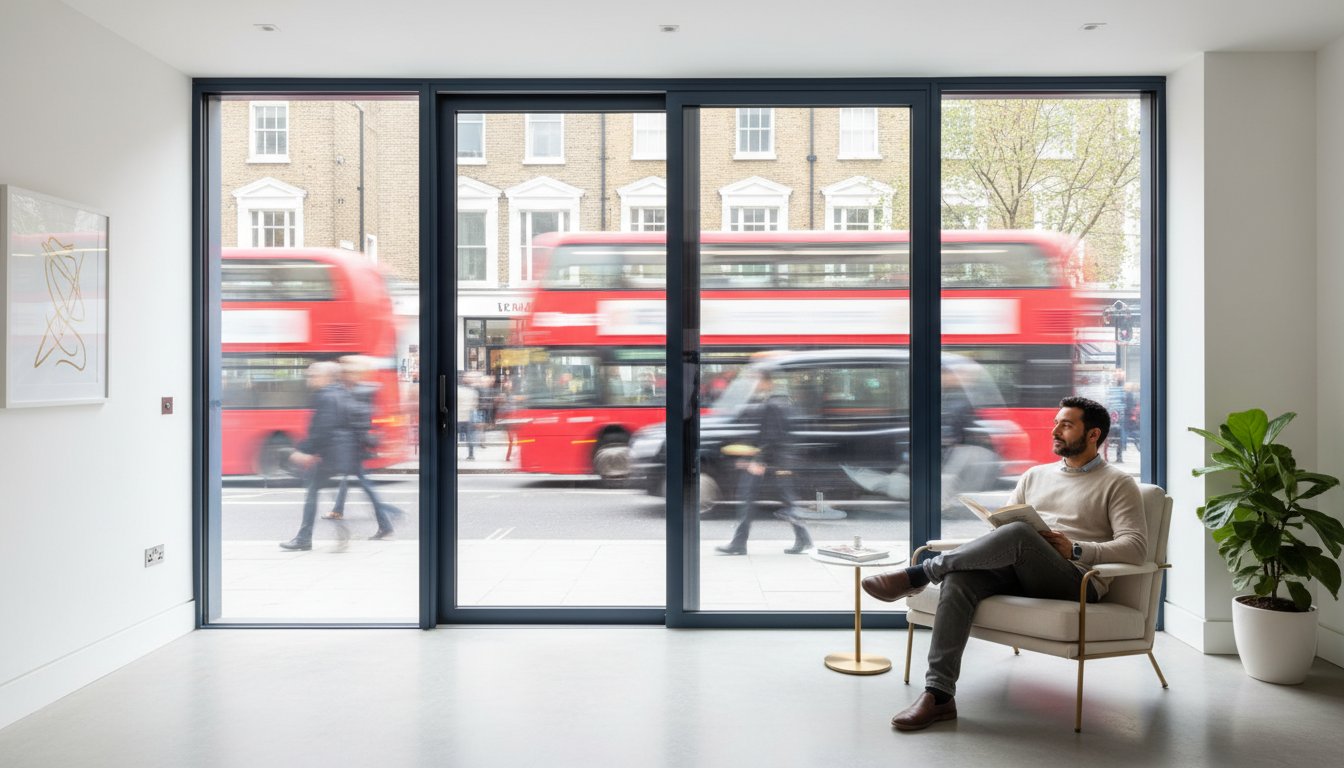
The thinnest frame on the market is a liability if it cannot protect your home from the relentless noise of an urban environment. You've likely spent months planning your renovation, only to find that many so-called "slimline" products fail to meet the rigorous 1.2 W/m²K thermal standards required for 2026 extensions. It's a frustrating paradox; you want to maximise natural light in a narrow terraced plot, yet you fear making an expensive mistake with technical specifications that simply don't perform. We understand that for a high-density urban project, choosing slim profile aluminium sliding doors for urban extensions London is a structural architectural decision, not just a retail purchase.
You deserve a home that feels like a sanctuary, even in the heart of the city. This guide will show you how to navigate the complex world of acoustic glazing and frame engineering to achieve a seamless, silent transition between your interior and the outdoors. We'll explain how to select high-performance systems that avoid common specification errors whilst ensuring a stress-free, White Glove installation experience. You'll learn how to balance ultra-slim 20mm interlocks with the triple-glazing requirements that now define premium British fenestration.
Key Takeaways
- Identify the technical benchmarks for true architectural minimalism, including interlock sightlines under 20mm and hidden outer frames that prioritise glass over metal.
- Master the specification of slim profile aluminium sliding doors for urban extensions London to resolve light deprivation in narrow terraced house layouts.
- Ensure compliance with 2026 Building Regulations by understanding why a 1.2 W/m²K U-value and advanced thermal breaks are essential for thermal performance.
- Avoid expensive specification mistakes whilst ensuring a seamless, flush threshold transition between your home and garden by opting for a professional structural survey.
- Discover how a bespoke White Glove service provides a stress-free journey from the initial architectural consultation to dedicated project aftercare.
Defining Slim Profile Aluminium Sliding Doors for Modern Urban Extensions
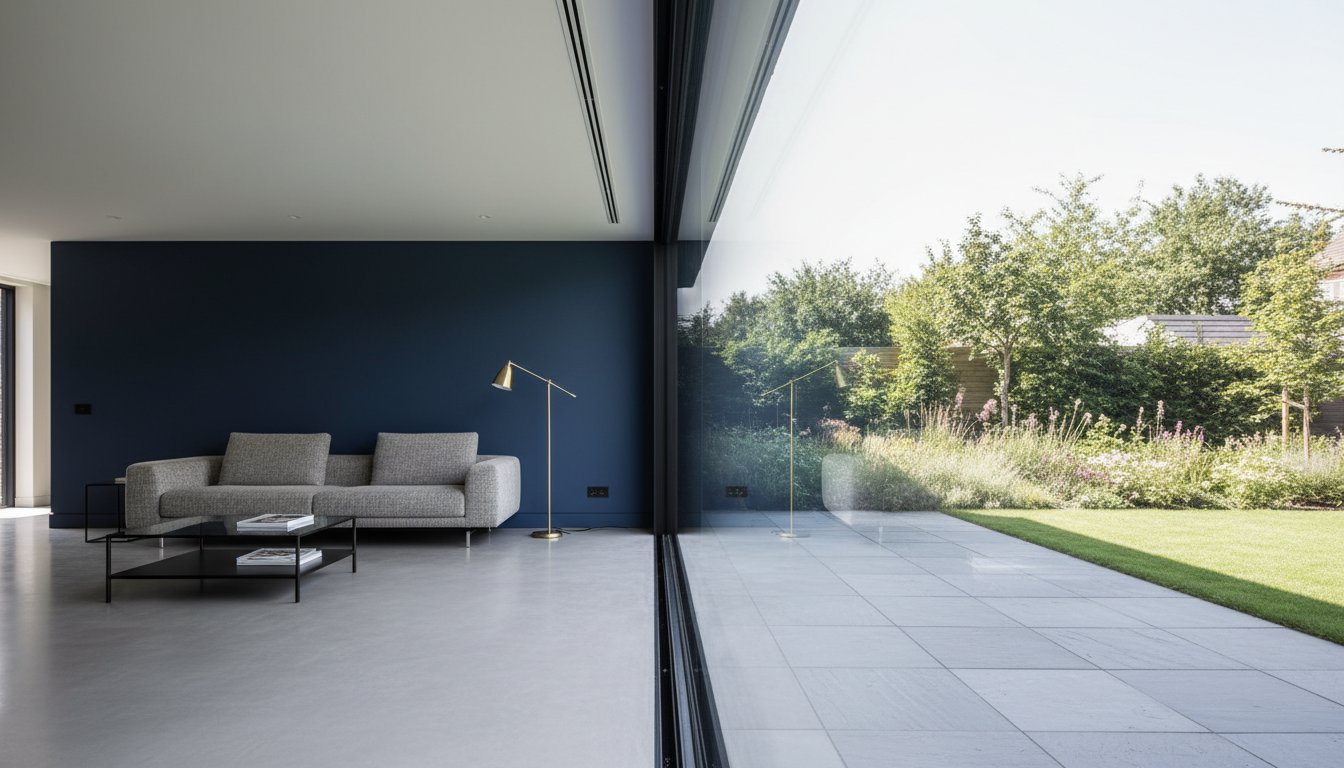
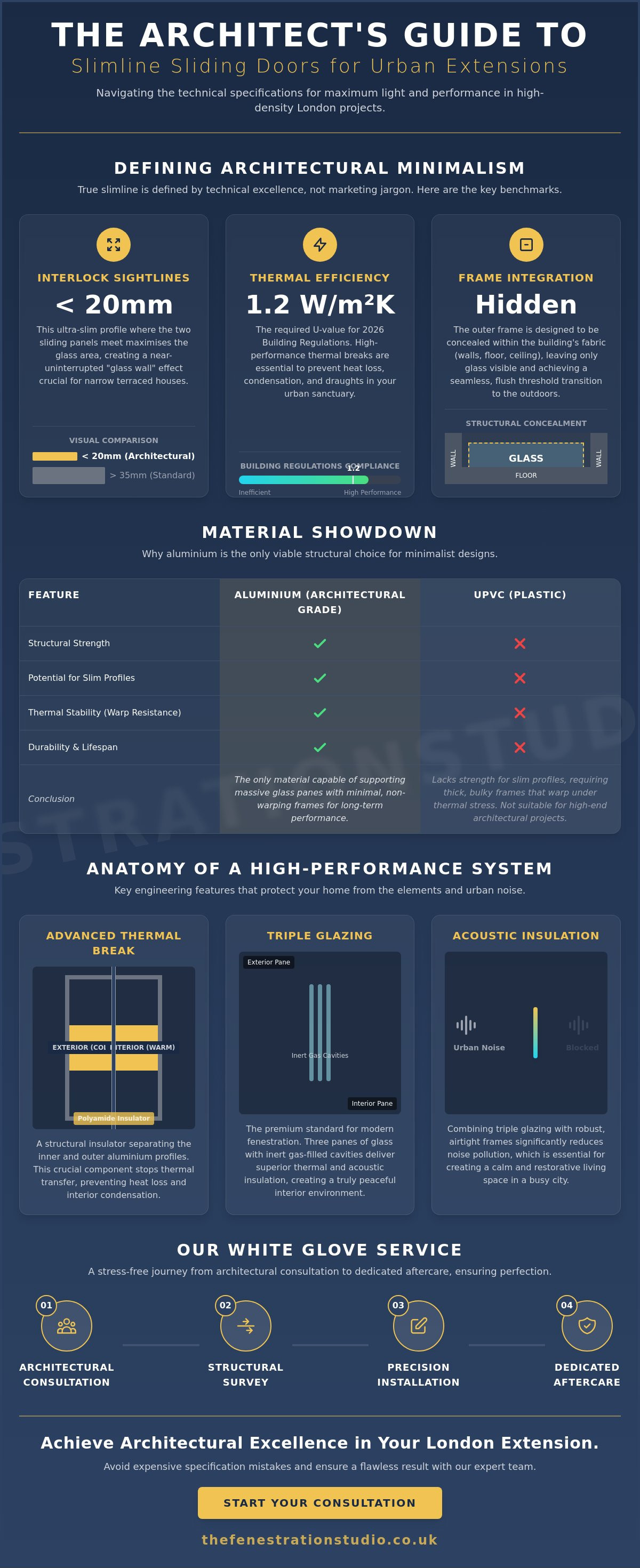
The architectural landscape of London has undergone a significant transformation. In the 2026 context, the definition of "slim" has moved beyond mere marketing jargon; it now represents a specific technical benchmark. For a truly modern urban extension, a slim profile is defined by interlock sightlines of under 20mm and outer frames that can be entirely concealed within the building's structural fabric. This evolution allows the fenestration to disappear, leaving only expansive, uninterrupted views of the garden or city skyline. Ultimately, slim profile aluminium sliding doors represent the intersection of structural engineering and minimalist aesthetics.
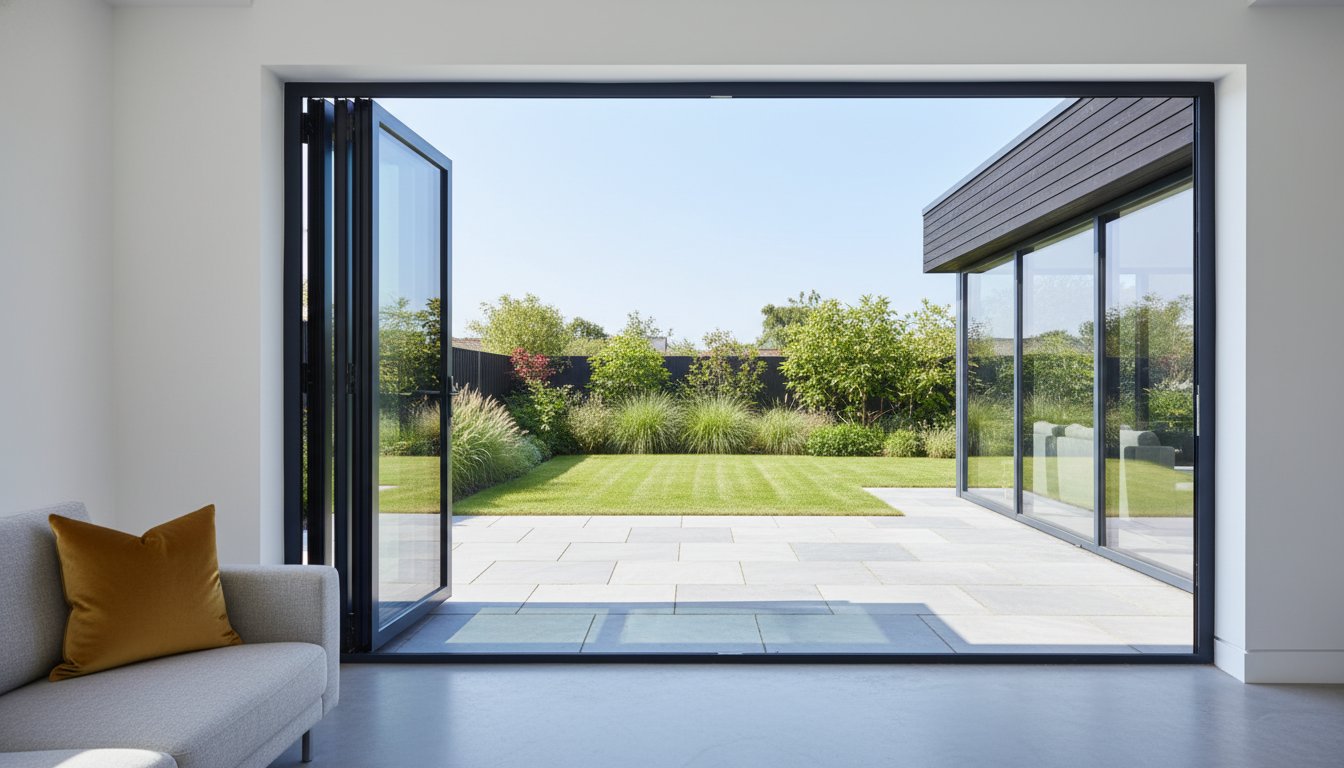
We've observed a distinct shift in preference amongst homeowners in high-density areas. While bifold doors were once the standard for opening up a rear wall, the desire for "glass walls" has led to the dominance of large-format sliding panes. Where bifolds create a "picket fence" effect with multiple vertical frames, slim profile aluminium sliding doors for urban extensions London offer a panoramic experience even when closed. This is particularly vital in narrow terraced house extensions where every millimetre of natural light ingress is a hard-won victory against overshadowing neighbouring buildings.
The Aesthetic Advantage: Minimalist Architecture
Modern design is about the removal of visual noise. By reducing the frame to its absolute minimum, we transform a functional exit into a transparent architectural element. This transition from "doors" to "glass walls" allows the interior living space to feel significantly larger than its physical footprint. To ensure these systems integrate perfectly with the local context, bespoke powder coating is essential. We often specify deep anthracite, architectural bronze, or soot blacks to match the weathered brickwork and industrial heritage of London's urban palettes. This level of customisation ensures the framework complements the building rather than distracting from it.
Aluminium vs. uPVC: Why Material Choice is Final
The choice of material isn't merely an aesthetic preference; it's a structural necessity. Supporting massive panes of glass, often weighing several hundred kilograms, requires a material with immense inherent strength and minimal expansion rates. Aluminium is the only viable option for these minimalist designs. uPVC lacks the structural integrity to support such loads without thick, bulky profiles that would destroy the minimalist intent. Frame stability is also compromised in uPVC systems, which can warp under the thermal stress of a south-facing extension, leading to expensive mistakes in operation and security.
Longevity is another critical factor. Urban environments subject fenestration to high levels of pollution and unpredictable British weather. Aluminium's natural resistance to corrosion, combined with high-performance Insulated glazing technology, ensures that the system maintains its thermal efficiency and acoustic performance for decades. For those seeking a long-term investment, our aluminium sliding doors provide a level of professional rigour that budget-oriented retail products simply cannot match. Precision engineering ensures that despite their weight, these doors glide with a single-finger operation, a hallmark of high-end architectural specification.
Technical Excellence: Sightlines, Thermal Efficiency, and British Standards
Technical precision defines luxury. It isn't just about the view; it's about how the system performs under the specific pressures of a city environment. The most common technical failure in urban renovations isn't aesthetic; it's thermal. Budget aluminium profiles often lack the advanced polyamide thermal breaks required to separate the external cold from the internal warmth. Without this structural separation, aluminium acts as a heat sink, leading to condensation, draughts, and "expensive mistakes" that only become apparent during the first winter. Choosing the cheapest quote often results in a system that fails to provide the sanctuary you expected.
For homeowners specifying slim profile aluminium sliding doors for urban extensions London, understanding the 2026 Building Regulations is non-negotiable. Current standards under Approved Document L target a U-value of 1.2 W/m²K for domestic extensions. Achieving this whilst maintaining a 20mm interlock requires high-performance modern glazing systems that integrate perfectly with the frame. If you are unsure which specification fits your structural opening, you can book a design consultation with our technical team to review your project requirements.
Understanding U-Values and Solar Gain
Thermal performance is a delicate balance. You must retain heat during a London winter whilst managing solar gain during the summer months. High-performance Low-E coatings are essential for large glass walls; they reflect heat back into the room in winter and block excessive solar radiation in summer. Frame depth plays a critical role here. A deeper frame often allows for thicker triple-glazed units, which the May 2026 research brief indicates can increase costs by approximately 25% but significantly improves both thermal and acoustic insulation.
Security and Weather Rating Standards
Security is a primary concern in high-density urban areas. We only specify systems that meet PAS 24 and Secured by Design (SBD) standards. These certifications aren't just labels; they represent rigorous testing against forced entry using multi-point locking mechanisms and reinforced frameworks. Beyond security, weather ratings are vital. London extensions often face wind-driven rain and high air pressure. A high-end sliding system is tested for air permeability and water tightness, ensuring your home remains dry and silent. That signature "silent glide" you feel when opening the door is the ultimate marker of this mechanical engineering; it's the result of stainless steel tracks and precision rollers designed to carry hundreds of kilograms with effortless ease.
Navigating the Architectural Constraints of High-Density Urban Projects
High-density London living presents unique architectural hurdles. The "Terraced House Trap" is a common reality for homeowners in areas like Fulham or Islington. These properties are often deep and narrow; the centre of the house can become a dark, uninviting space once a rear extension is added. Using slim profile aluminium sliding doors for urban extensions London is the most effective way to combat this light deprivation. By replacing a solid rear wall with a high-performance glass system, you invite daylight deep into the primary floor plan. This structural change transforms the atmosphere of the entire ground floor.
In particularly constrained plots, we often specify these systems to create internal courtyards or light-wells. This architectural technique brings natural light into the very heart of the building, turning a potentially claustrophobic layout into a sophisticated, airy environment. For those seeking the ultimate minimalist statement, pocket doors allow the glass panels to slide entirely into a wall cavity. The glass wall disappears. The boundary between your kitchen and the garden is effectively removed, creating an unobstructed opening that maximises every square inch of your urban plot.
Maximising Light in Shadowed Plots
Urban extensions are frequently overlooked by neighbouring three-storey terraces. In these shadowed environments, every millimetre of frame matters. Ultra-slim 20mm interlocks capitalise on every available minute of direct sunlight. We also specify low-iron glass as a standard for premium projects to ensure maximum clarity and light transmission. This prevents the slight green tint found in standard glass, ensuring your interior feels bright and airy even on overcast London afternoons. It's a technical detail that makes a profound difference to the daily living experience.
The Flush Threshold Challenge
A true "inside-outside" transition requires a perfectly flush threshold. Achieving this isn't simply a matter of product choice; it's a matter of structural coordination. Drainage channels and internal floor levels must be organised with millimetre precision to ensure water is managed whilst maintaining a level walk-through. This is why the structural survey must happen before the final floor screed is poured. If the levels are off by even 5mm, the seamless transition is lost, resulting in a permanent trip hazard or poor drainage. For projects where the extension meets a corner, Corner Sliding Doors provide an open-corner architectural statement that removes the need for a bulky corner post entirely. This level of technical integration is what separates a professional fenestration project from a standard retail installation.
Precision Engineering: Why Professional Surveying is Non-Negotiable
Architectural vision often clashes with the physical reality of a London construction site. While the aesthetic appeal of slim profile aluminium sliding doors for urban extensions London is clear, their successful integration depends entirely on millimetre-perfect measurements. A structural opening in a Victorian terrace is rarely plumb or square. Relying on a builder's rough opening dimensions is a high-risk strategy that frequently leads to "expensive mistakes" during the final fitting stage. We treat the survey as a critical engineering phase, not a simple measurement task.
Managing the logistics of a high-density urban project adds another layer of complexity. Large-format glass panes often weigh upwards of 200kg, requiring specialised lifting equipment or even crane lifts over rooftops in narrow mews or restricted London streets. We coordinate these logistical requirements alongside parking permits and site access well in advance. This level of professional rigour ensures that the installation day is methodical and controlled, rather than a source of project-delaying stress. Precision is our standard.
The Surveying Framework for Urban Extensions
Our systematic approach to surveying ensures that every technical detail is captured before manufacturing begins. This framework includes:
- Step 1: Structural opening verification, ensuring levels and tolerances are compatible with ultra-slim tracks.
- Step 2: Assessing site access for massive glass units, identifying if mechanical lifting or specialist glazing robots are required.
- Step 3: Coordinating technical drawings with your primary contractor to confirm threshold drainage and internal floor heights.
- Step 4: Final specification sign-off, locking in every detail from powder coating finish to the exact handle orientation.
Avoiding the "Supply-Only" Pitfall
The biggest risk in the fenestration industry is the "supply-only" retail model. When a homeowner buys doors from one company and hires an independent builder to fit them, a dangerous accountability gap is created. If the doors don't fit or the operation is stiff, the supplier blames the installer, and the installer blames the manufacturer. You're left in the middle of a costly dispute. We believe the person who measures must be the person who installs. It's the only way to maintain the integrity of the specification.
By choosing our White Glove Service, you eliminate this risk entirely. We take full structural responsibility for the project lifecycle, from the initial survey to the final handover. This end-to-end accountability is the only way to guarantee the "silent glide" and thermal performance promised in the architectural specification. If you're ready to ensure your project’s success, request a professional technical quote today to begin your journey with a partner you can trust.
Elevating Your Extension with our Bespoke White Glove Service
A successful urban renovation is the result of a thousand correct decisions. Whilst the previous sections of this guide have focused on the structural and thermal requirements of slim profile aluminium sliding doors for urban extensions London, the final component is the partnership you choose. At The Fenestration Studio, we operate under a simple philosophy: Local Expertise. National Standards. This means you benefit from our deep understanding of the specific architectural challenges found in London's terraced streets, backed by the professional rigour of a national framework. We prioritise transparency and long-term performance over the "cheapest" quote, ensuring that your investment is protected from the common industry pitfalls we've discussed.
Our Consultative Design Process
We've intentionally moved away from the traditional "double-glazing salesman" stereotype. Instead, we position ourselves as an architectural partner. Our role is to guide you through the complex technical specifications required for high-density urban builds. This includes helping you decide between a 2-track system, which offers a simpler opening, or a 3-track configuration that allows for a larger clear opening by stacking panes behind one another. This choice depends entirely on your specific space and how you intend to use the extension. To ensure every detail of your project is handled with this level of professional care, we invite you to Book a Design Consultation with our specialist team.
The Installation and Aftercare Promise
The "White Glove" experience reaches its peak on installation day. Our teams are trained to operate with surgical precision, particularly when handling the massive glass units required for modern extensions. We understand that your home is a building site. We respect that by maintaining a clean, organised, and methodical workflow. Technical excellence doesn't end when the last pane is fitted. Our dedicated aftercare ensures that your doors continue to operate with that signature silent glide for decades. You can explore our full range of Aluminium Sliding Doors to see how our previous projects have transformed similar urban spaces.
Integrity is the foundation of our brand. We encourage every prospective client to read our Product Reviews to see how we've navigated complex structural requirements for other London homeowners. These testimonials aren't just about the doors; they are about the stress-free journey we provide from the initial survey to the final sign-off. By choosing a partner that values precision engineering and honest advocacy, you ensure that your urban renovation achieves the silence, light, and luxury it deserves.
Securing Your Urban Sanctuary with Technical Precision
Achieving a silent, light-filled sanctuary in the heart of the city requires more than just high-quality glass. It demands a rigorous architectural approach where every millimetre is accounted for. By prioritising Red Dot design-level engineering and FENSA-certified expertise, you ensure that your renovation meets the 1.2 W/m²K thermal targets for 2026 whilst maintaining an uncompromising aesthetic. We believe the successful installation of slim profile aluminium sliding doors for urban extensions London is rooted in the precision of the initial structural survey and a commitment to end-to-end accountability.
As an independently run family business, we combine national standards with the dedicated care your project deserves. You don't have to navigate the technical complexities of urban fenestration alone. Our expert mentors are ready to guide you through the specification process, ensuring your extension remains a stress-free investment for years to come. It's time to transform your architectural vision into a high-performance reality.
Request a White Glove Quote for Your Urban Extension
Frequently Asked Questions
What is the minimum sightline for an aluminium sliding door in 2026?
20mm is the current architectural benchmark for ultra-slim interlocks as of May 2026. This dimension allows for the maximum possible glass area whilst maintaining the structural integrity required for large-format panes. Standard sliding systems often feature sightlines between 47mm and 85mm; moving to a 20mm profile represents a 50% to 75% reduction in visual obstruction for your extension.
Can slim profile sliding doors be fitted into a period terraced house extension?
Yes, they are the preferred choice for narrow terraced plots where light deprivation is a primary concern. Using slim profile aluminium sliding doors for urban extensions London allows you to replace a solid rear wall with a panoramic glass surface. This architectural shift ensures that even the deepest parts of a traditional Victorian floor plan receive natural light throughout the day.
How do sliding doors compare to bifold doors for urban extensions?
Sliding doors provide larger glass panes and significantly fewer vertical frames compared to bifolding systems. While bifolds offer a 100% clear opening, they create a "picket fence" effect when closed. Sliding systems offer superior thermal performance and clearer views for the 95% of the year that British weather requires the doors to remain closed.
Are ultra-slim sliding doors energy efficient enough for London winters?
Modern systems are engineered to exceed the 1.2 W/m²K U-value targets defined in the 2026 Building Regulations. By utilising advanced polyamide thermal breaks and high-performance Low-E glass, these doors effectively prevent heat loss. Upgrading to triple glazing can further improve thermal efficiency and acoustic insulation, though it typically adds 25% to the total project cost.
What is a "pocket" sliding door and can I have one in my extension?
A pocket door is a system where the glass panels slide into a hidden cavity within the structural wall. This allows the entire glass wall to disappear, creating a completely unobstructed opening between your kitchen and garden. Implementing this requires early coordination with your architect to ensure the wall cavity is correctly specified for the sliding track depth.
How much does professional installation affect the overall performance of the door?
Professional installation is the difference between a high-performance architectural element and an "expensive mistake". Poor fitting leads to draughts, water ingress, and stiff operation. Our White Glove service ensures that levels are measured to the millimetre, guaranteeing the signature "silent glide" and maintaining the manufacturer’s long-term performance warranties for your peace of mind.
What security features should I look for in modern aluminium sliding doors?
You should look for PAS 24 and Secured by Design (SBD) certifications as a minimum technical standard. These ratings confirm the frame and locking mechanisms have been tested against forced entry. Modern systems use multi-point locking and internal glazing beads to prevent the glass from being removed from the outside, providing essential security for urban properties.
Do I need a structural engineer for large-format sliding doors?
Yes, a structural engineer is essential for any project involving a significant structural opening. They calculate the required steelwork needed to support the building's weight above the glass. Because slim profile aluminium sliding doors for urban extensions London have very tight tolerances, any deflection in the steelwork could cause the doors to jam or fail over time.