Could the very moisture obscuring your view actually be a sign of superior engineering? When you wake up wondering, "Why are my windows covered in condensation?", the answer often lies in the delicate balance between internal humidity and external thermal resistance. It's natural to feel a sense of frustration when premium glazing appears to fail; the fear of damp and mould growth can quickly turn a sanctuary into a source of anxiety.
We understand that your home represents both a significant financial investment and a personal retreat. This guide provides a clear diagnostic framework to help you distinguish between high-performance external misting and the structural failure of a blown seal. You'll discover the scientific causes behind moisture accumulation and gain the professional insight needed to manage your internal environment with precision. We'll outline actionable steps to reduce humidity whilst ensuring your glazing performs to the exacting standards required for modern British homes.
Key Takeaways
- Understand the physics of the dew point and why modern, airtight architectural standards in 2026 naturally trap more moisture within the home environment.
- Master our diagnostic framework to answer the question, "Why are my windows covered in condensation?", by identifying whether moisture is external, internal, or trapped between panes.
- Learn how premium aluminium windows and heritage style systems utilise advanced thermal break technology to eliminate thermal bridging and protect your interior comfort.
- Discover a structured hierarchy of interventions, ranging from immediate lifestyle adjustments to strategic ventilation upgrades, to restore clarity and prevent mould growth.
- Gain confidence in your glazing performance by understanding how professional technical surveys and precision installation protect the long-term integrity of your thermal seals.
The Science of Dew Point: Why Windows Collect Moisture in 2026
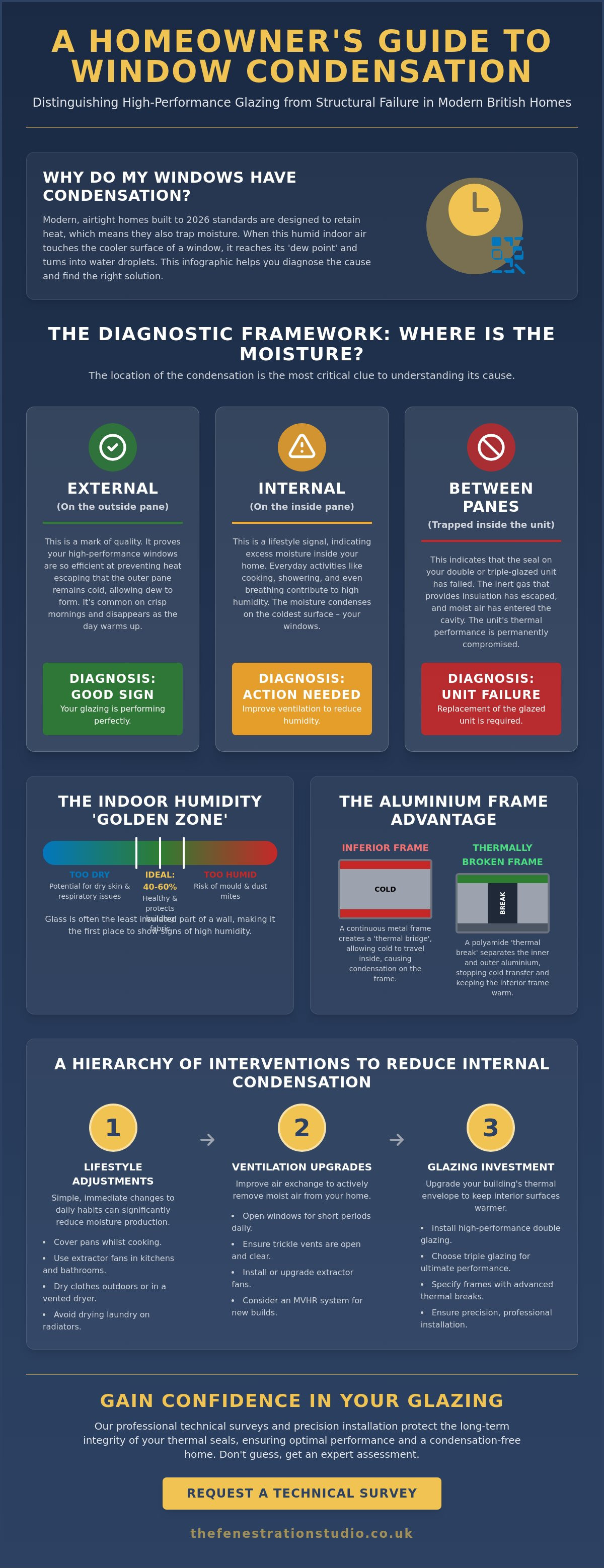
Condensation isn't a mysterious defect; it's a predictable physical reaction. In its simplest form, it represents the transition of water vapour into a liquid state once it encounters a surface at or below the 'dew point'. Understanding The Science of Dew Point is essential for any homeowner asking, "Why are my windows covered in condensation?", especially as modern construction methods evolve. Whilst older, draughty properties allowed moisture to escape through natural air leakage, the precision-engineered, airtight homes of 2026 are designed to retain heat. Consequently, they also retain atmospheric moisture. When this humid internal air meets the relatively cold surface of a window pane, the air loses its capacity to hold water, leaving behind the droplets you see each morning.
Maintaining an internal environment between 40% and 60% relative humidity is widely considered the 'golden zone' for both occupant health and building longevity. Fall below this, and you may experience dry skin or respiratory discomfort; rise above it, and you invite the growth of mould and dust mites. Because glass is typically the least insulated component of a building's envelope, it serves as the primary site for moisture collection. It acts as a diagnostic indicator, highlighting the areas where your home's thermal resistance is most challenged. If you find yourself asking "Why are my windows covered in condensation?" even in a high-specification new-build, the answer often lies in this increased airtightness coupled with insufficient ventilation.
Understanding Relative Humidity and Temperature
Warm air acts like a sponge. The higher the temperature, the more moisture it can carry. For instance, a room kept at 21 degrees Celsius with 60% humidity contains a significant volume of suspended water. If the surface temperature of your aluminium windows drops just a few degrees, that air reaches saturation point. These 'cold spots' are often found at the edges of the glass or along the frame, where thermal bridging is most likely to occur in inferior glazing systems. Precision engineering in premium frames is designed specifically to move these cold spots away from the internal face of the window.
The 2026 Building Standard Context
Current building standards have significantly increased the insulation requirements for walls and roofs, which can inadvertently make windows appear more problematic. As the rest of the structure becomes a thermal fortress, the glazing becomes the path of least resistance for heat loss. In premium UK property designs, we're seeing a strategic shift towards mechanical ventilation with heat recovery (MVHR) to manage these moisture levels. Additionally, triple glazing is rapidly becoming the benchmark for high-end renovations. Its superior centre-pane U-values keep the internal glass temperature much closer to the room temperature, effectively moving the dew point outside the home and protecting your interior aesthetic.
The Diagnostic Framework: Where is the Moisture?
To accurately diagnose the situation, you must first identify the specific location of the moisture. It's the most critical factor in determining whether you're facing a simple lifestyle adjustment or a structural requirement for replacement. When you find yourself asking, "Why are my windows covered in condensation?", the first step is a simple physical inspection to determine which surface is affected. Many homeowners feel an immediate sense of concern when they see misted glass, but it's vital to remember that not all condensation indicates a defect. In fact, in the context of modern engineering, certain types of moisture are actually evidence of a high-performance installation.
External Condensation: A Mark of High Efficiency
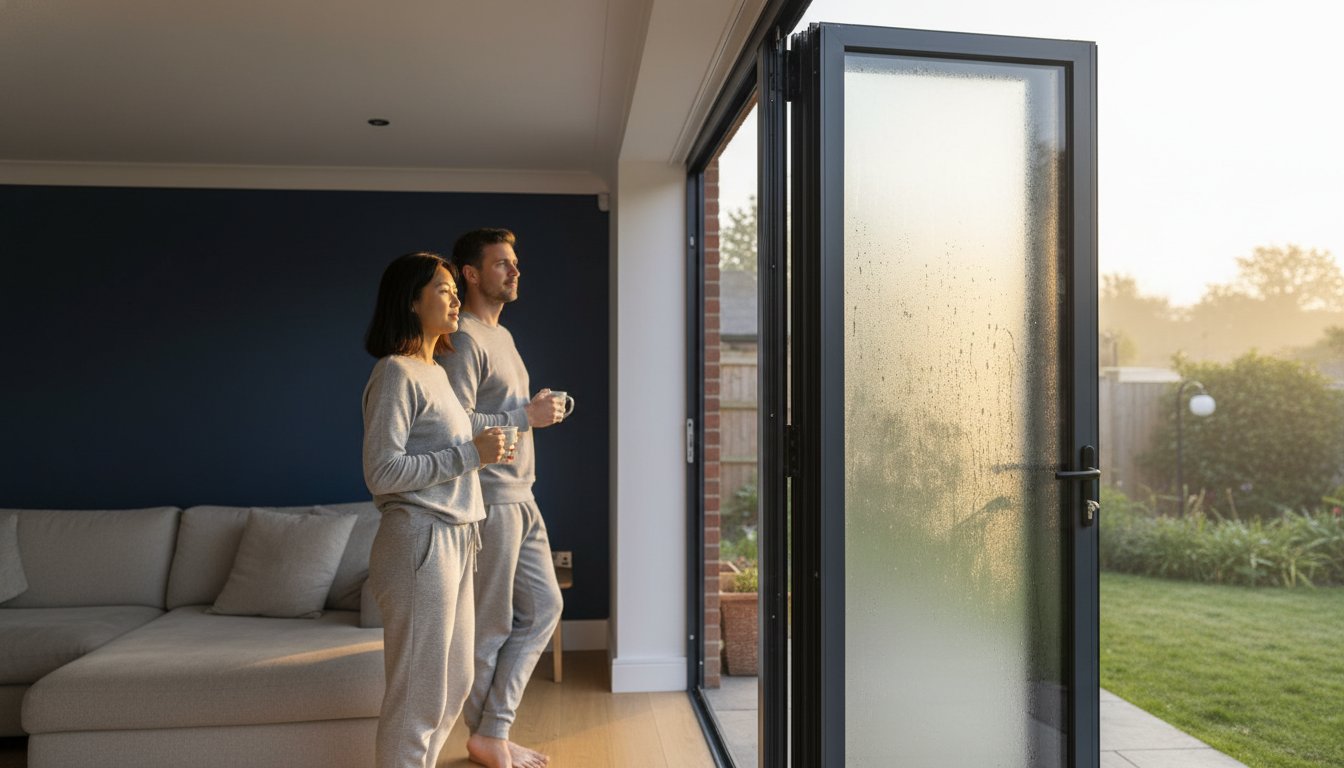
When you find moisture on the outer face of the glass, you should view it as a badge of quality. This phenomenon is particularly common with high-performance aluminium windows that possess exceptionally low U-values. Because these units are so efficient at preventing heat from escaping your home, the outer pane remains cold; it doesn't receive the 'waste heat' from your living space that would otherwise keep it dry. This typically occurs on crisp spring or autumn mornings and naturally evaporates as the sun rises. It's proof that your thermal envelope is working exactly as intended, keeping the warmth where it belongs.
Internal Condensation: The Lifestyle Signal
Internal condensation is a different matter entirely. If the room-side of your glass is damp, it serves as a clear signal that your internal humidity levels have exceeded the air's capacity to hold moisture at that specific temperature. Common culprits include drying laundry on radiators, cooking without adequate extraction, or showering in unvented bathrooms. If left unmanaged, this moisture can settle on silicone seals and timber reveals, creating a breeding ground for mould. It's a lifestyle indicator that suggests your home's ventilation strategy needs refinement to handle the moisture generated by daily activities.
Condensation Between Panes: The Blown Unit
The only true sign of glazing failure is 'interstitial condensation', which appears between the two panes of glass. This occurs when the primary edge seal has perished, allowing the internal desiccant to become saturated. Once the seal is breached, the insulating argon gas escapes and is replaced by moist air from the environment. You can't clean or fix a blown unit; it requires a professional glass replacement to restore your home's thermal integrity. A failed unit significantly compromises your property's overall U-value, leading to increased energy costs and persistent cold spots. If you suspect your seals have failed, you may wish to book a design consultation to evaluate your current fenestration performance.
Thermal Bridging and the Aluminium Frame Advantage
A common misconception persists that aluminium frames are inherently prone to "sweating" or cold-related moisture. This stems from experiences with outdated, single-skinned aluminium profiles from decades past, which lacked any form of internal insulation. These older systems acted as a thermal bridge, allowing cold temperatures to travel directly from the outside to the inside. However, modern engineering has completely transformed this material's performance. If you find yourself asking, "Why are my windows covered in condensation?" despite having modern frames, the answer rarely lies in the material itself, but rather in the specific technical configuration of the thermal break.
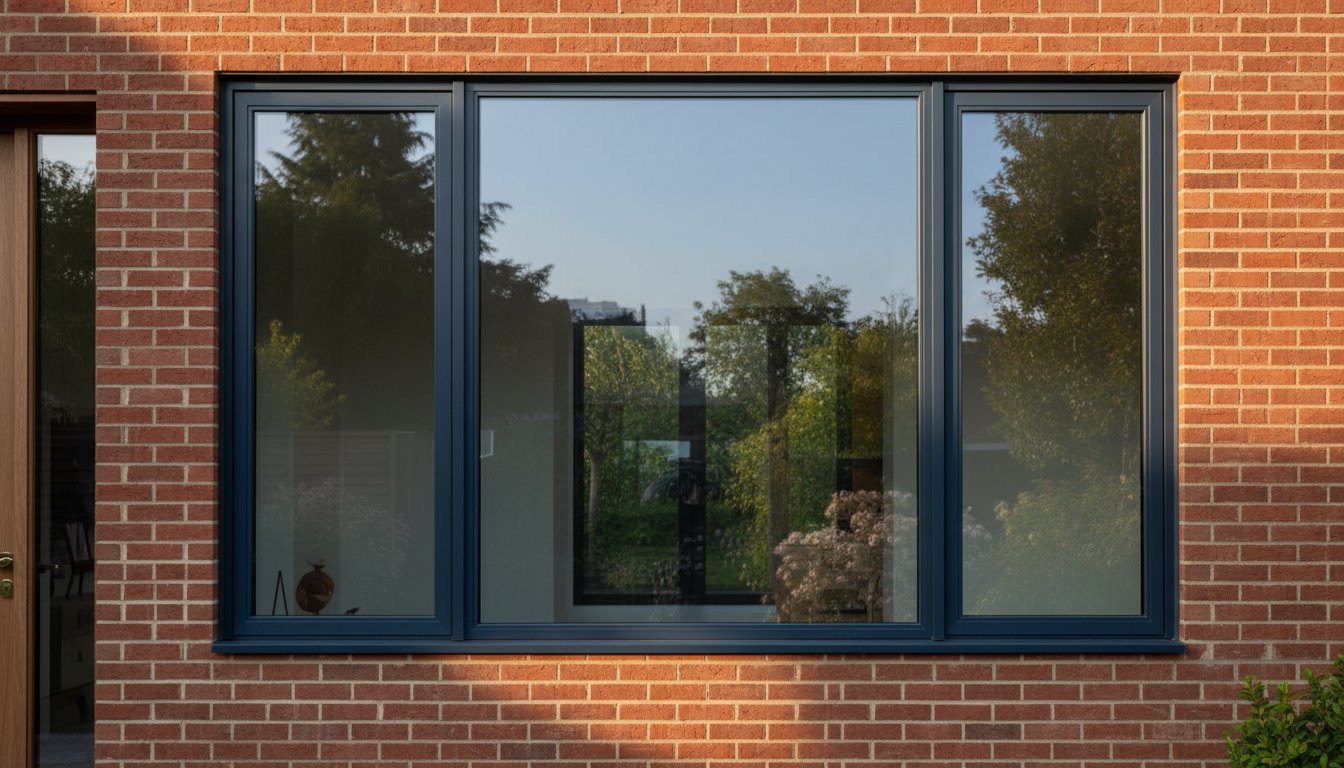
The evolution of aluminium glazing has prioritised the interruption of heat transfer. By combining the structural strength of aluminium with high-performance insulating materials, manufacturers have created systems that rival or exceed the thermal efficiency of traditional timber. This allows for the slimline, architectural aesthetics that modern homeowners desire without compromising the internal climate. The result is a frame that remains warm to the touch, significantly reducing the risk of moisture forming on the internal profile.
The Role of Polyamide Thermal Breaks
A thermal break is a non-conductive barrier, typically made from glass-reinforced polyamide, that separates the inner and outer skins of the aluminium frame. In premium aluminium sliding doors and window systems, these breaks are often multi-chambered. This intricate internal geometry traps air and creates a series of thermal hurdles that heat must cross. By effectively isolating the external temperature from the internal face, these breaks ensure the frame temperature stays close to the ambient room temperature. This is the primary defence against the thermal bridging that historically caused condensation issues in metal-framed windows.
U-Values and Architectural Performance
For large-scale glazing projects, professional technical specifications are vital. A system's overall U-value is a combination of the frame's performance and the glass unit's efficiency. When U-values drop below 1.2 W/m²K, the risk of internal condensation is significantly mitigated. This is further enhanced by the use of warm-edge spacer bars within the glass unit. These bars are made of low-conductivity materials rather than traditional aluminium, protecting the edges of the glass where "Why are my windows covered in condensation?" is most frequently asked. Ensuring your project utilises these high-performance components is essential for maintaining both thermal comfort and visual clarity.
Practical Strategies to Organise a Condensation-Free Home
Resolving persistent moisture issues requires a methodical approach that balances thermal retention with controlled air exchange. If you're still asking, "Why are my windows covered in condensation?", it's likely that your property's ventilation strategy hasn't kept pace with its insulation levels. Achieving a moisture-free environment involves a hierarchy of interventions, ranging from zero-cost habit changes to sophisticated architectural upgrades. The goal is to manage your internal climate without compromising the clean, minimalist aesthetic of your home.
Maintaining a consistent internal temperature is a fundamental, yet often overlooked, defence. When rooms are allowed to cool significantly overnight, the surface temperature of the glass can quickly drop below the dew point. By keeping your heating at a steady, moderate level, typically between 18 and 21 degrees Celsius, you ensure that internal surfaces remain warm enough to prevent water vapour from transitioning into liquid. This consistent thermal baseline, paired with targeted moisture management, provides the most reliable protection for your interior finishes.
Lifestyle Adjustments for Immediate Relief
Immediate improvements can often be achieved through simple, disciplined changes to how you interact with your living space. We recommend the "purge ventilation" technique, which involves opening windows fully for just 10 minutes each morning to flush out the moisture accumulated overnight. To manage this scientifically, many homeowners now utilise digital hygrometers to ensure humidity remains within the 40% to 60% "golden zone". Additionally, ensure that large furniture items aren't pushed directly against external walls; leaving a small gap allows air to circulate, preventing the stagnant "cold spots" where mould often begins to colonise.
Advanced Ventilation Solutions
For a more permanent resolution, your home's hardware must be fit for purpose. Under current Building Regulations Part F, most replacement windows must now feature trickle vents to ensure a constant airflow of at least 8,000mm² in habitable rooms. In premium aluminium bifolding doors, these vents are expertly integrated to remain unobtrusive, preserving those sought-after slim sightlines whilst meeting modern standards. For wet rooms and kitchens, consider upgrading to humidity-tracking extractor fans that activate automatically when moisture levels spike. In 2026, many high-end renovations are also adopting Mechanical Ventilation with Heat Recovery (MVHR), which provides total whole-home moisture management whilst reclaiming heat that would otherwise be lost. If you're planning a project that requires this level of technical precision, you can request a technical quote to explore your options.
Investing in High-Performance Glazing: The Fenestration Studio Approach
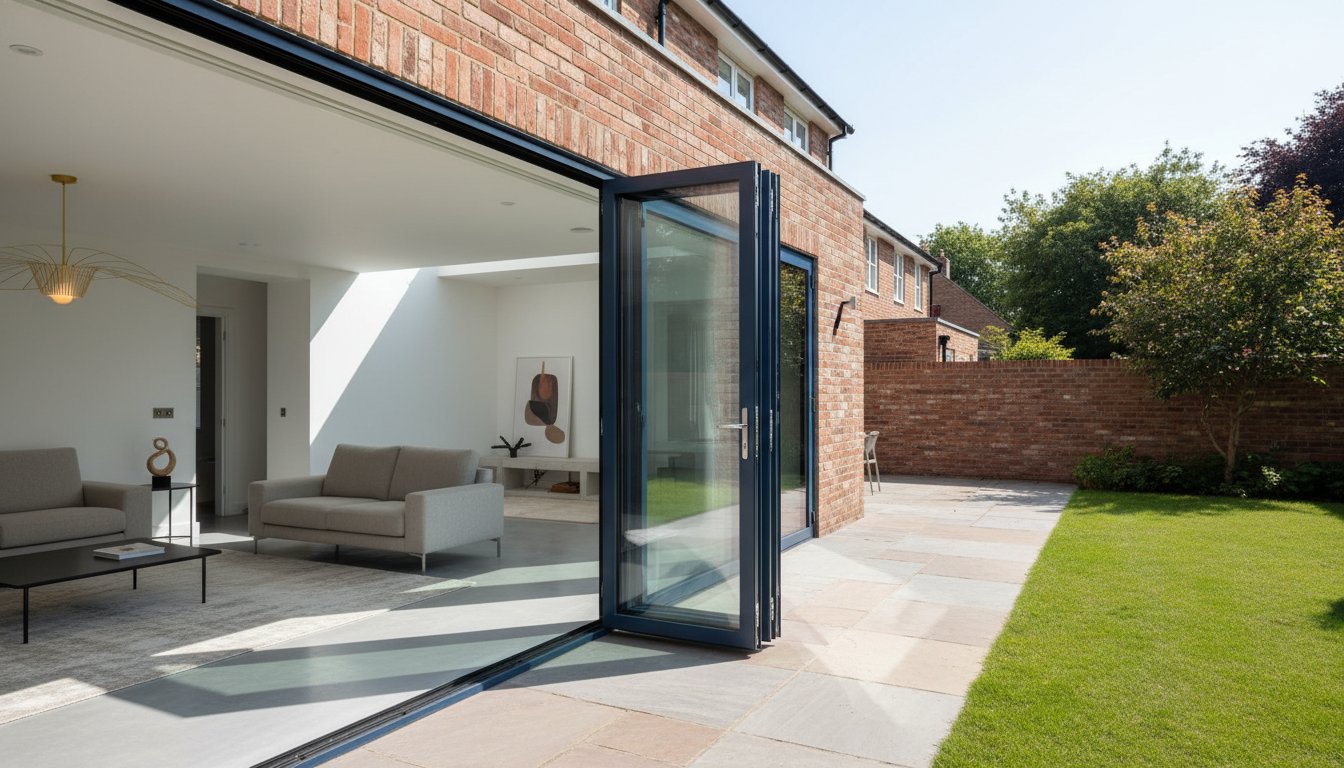
When you seek a permanent resolution to the question, "Why are my windows covered in condensation?", the solution rarely lies in superficial fixes. It requires an architectural shift toward high-performance materials and precision-engineered installation. Transitioning from traditional, often troublesome uPVC systems to premium aluminium windows and doors represents more than an aesthetic upgrade; it's a commitment to a technically superior thermal envelope. Our approach prioritises the elimination of thermal weak spots through bespoke technical specifications. This is particularly vital for large-scale aluminium sliding doors or bifold systems, where the expansive glass area demands uncompromising frame rigidity and thermal break continuity.
Our "White Glove Service" addresses the critical gap between product quality and real-world performance. Even the most advanced thermal break technology can be compromised if the installation isn't handled with professional rigour. We ensure that seals are perfectly airtight and that every frame is aligned with surgical precision to prevent the minute air leakages that cause cold spots. By treating the installation as a premium service experience rather than a manual task, we protect the structural integrity of the seals. This methodical process ensures that your glazing remains a barrier against the elements, not a site for moisture accumulation.
The Importance of a Professional Survey
Every successful project begins with a rigorous technical planning phase. During our professional survey, we assess the site-specific thermal requirements of your property, considering factors such as prevailing winds and internal humidity loads. We don't believe in high-pressure sales tactics. Instead, we act as consultants, providing honest, transparent advice based on the unique architectural demands of your home. This ensures every product is manufactured to exact site requirements, effectively eliminating the draughts and thermal bridging that lead to persistent moisture. It's this level of systematic planning that differentiates a standard replacement from a high-performance architectural solution.
Future-Proofing Your Home
Choosing glazing that exceeds the current 2026 building standards is essential for long-term comfort. Our systems are engineered to maintain internal glass temperatures well above the dew point, even during the coldest British months. By addressing the root causes and understanding why are my windows covered in condensation, you can select a system that provides clarity and warmth for the long term. This technical resilience is supported by a dedicated aftercare programme, ensuring your investment continues to perform at its peak for years to come. Ready for a technical upgrade? Book a design consultation to discuss your project and discover how precision engineering can transform your home's environment.
Secure Your Home’s Thermal Integrity
Distinguishing between high-performance external misting and internal moisture is the first step toward a warmer home. We’ve explored how the 2026 building standards and advanced polyamide thermal breaks have redefined glazing performance. If you are still questioning, "Why are my windows covered in condensation?", it is time to move toward a permanent architectural solution. Precision matters. High-performance aluminium systems provide a robust defence against the thermal bridging that compromises your comfort.
As an independently run family business, we bring nationwide technical expertise to every project. Our signature White Glove Service installation ensures that every seal performs exactly as specified, protecting your property from damp and heat loss. It's time to restore the thermal performance of your sanctuary. Request a tailored quote for high-performance aluminium glazing and regain confidence in your glazing. Clearer views and a more comfortable living environment are well within reach.
Frequently Asked Questions
Is condensation on the outside of my windows a bad sign?
External condensation is actually a positive indicator of your glazing's thermal performance and efficiency. It occurs because high-performance panes prevent internal heat from warming the outer glass, keeping it cold enough to reach the dew point. This phenomenon typically happens on clear, cool mornings and is scientific proof that your windows are successfully retaining heat within your living space.
Can I fix condensation between the glass panes myself?
Condensation between the panes cannot be repaired through DIY methods, as it signifies a structural failure of the unit's edge seal. Once the seal is breached, the insulating argon gas escapes and the internal desiccant becomes saturated. The only effective resolution is to have a professional replace the failed double-glazed unit to restore the window's thermal integrity and visual clarity.
Will replacing my windows with aluminium solve my condensation problem?
Upgrading to modern aluminium windows can significantly mitigate condensation risks, provided the frames feature advanced polyamide thermal breaks. These systems separate the internal and external aluminium skins to eliminate thermal bridging. However, for a complete resolution, this architectural upgrade must be paired with a robust ventilation strategy to manage the moisture levels generated by daily activities within the home.
Do trickle vents really work, or are they just an eyesore?
Trickle vents are highly effective at providing the background ventilation required to reduce the atmospheric moisture that leads homeowners to ask, "Why are my windows covered in condensation?". Whilst some consider them an aesthetic compromise, premium aluminium systems integrate these vents discreetly. They provide a constant, controlled airflow that removes humid air without the security risks or heat loss associated with opening windows.
Why do I have condensation in my bedroom but not the living room?
Bedrooms typically experience higher humidity levels due to the significant volume of moisture released through respiration during the night. If a bedroom is unventilated and the heating is reduced, the air quickly reaches its saturation point on the cold glass surfaces. Living rooms generally benefit from larger air volumes and more frequent air exchange through internal doors and higher daytime temperatures.
Can modern bifold doors be as thermally efficient as a solid wall?
Whilst no glazing system can perfectly match the thermal resistance of a heavily insulated solid wall, premium aluminium bifold doors come remarkably close. High-end systems utilise multi-chambered thermal breaks and sophisticated weather seals to achieve exceptionally low U-values. This precision engineering ensures that even large expanses of glass remain warm enough to resist the formation of room-side condensation during winter months.
What is the ideal humidity level to prevent mould in a UK home?
You should aim to maintain a relative humidity level between 40% and 60% to prevent mould growth and protect your property’s interior. If levels consistently exceed 60%, the risk of water vapour settling on cold surfaces increases dramatically. Utilising a digital hygrometer allows you to monitor these levels accurately and adjust your heating or ventilation to maintain a healthy, balanced environment.
How does triple glazing impact the dew point on the internal glass?
Triple glazing incorporates an additional insulating layer that keeps the internal glass pane significantly warmer than standard double glazing. By maintaining the room-side surface temperature closer to the ambient air temperature, it prevents the air from cooling enough to reach its dew point. This technical advantage is a primary reason why triple glazing is the professional choice for resolving "Why are my windows covered in condensation?" in premium renovations.