The perfect imitation might still leave you wanting the original. You have likely seen the sleek, flush frames of the Residence Collection and wondered if they could truly replace the structural strength of architectural aluminium. It's a common dilemma for homeowners seeking a premium aesthetic whilst fearing the bulky, plastic appearance of traditional frames as they age. Should I choose Residence R2 Aluminium look uPVC windows in Manchester? If you're prioritising a modern, slimline finish that maintains its integrity for decades, the answer depends on your specific architectural goals and long-term expectations for your property value.
We understand that choosing the right material is a significant investment in your home's security and thermal performance. This guide provides a clear, technical comparison to help you discover whether the R2 collection truly matches the performance of architectural aluminium for your next renovation. We will explore how each material meets the mandatory 2026 Part L building regulations, including the 1.4 W/m²K U-value requirement for replacement glazing. We also examine which choice provides the superior structural profile for the British climate. By the end, you will have the confidence to select a window system that delivers both thermal efficiency and a sophisticated, lasting finish.
Key Takeaways
- Understand the architectural differences between the 100mm frame depth of the Residence R2 collection and the inherently slimmer profiles of authentic aluminium.
- Evaluate the critical question, "Should I choose Residence R2 Aluminium look uPVC windows in Manchester?" by comparing their structural performance in the local climate.
- Discover why the high-tensile strength of architectural aluminium allows for significantly larger glass spans and more minimalist sightlines than any uPVC alternative.
- Compare the long-term durability of premium powder-coated finishes against uPVC foils to protect your property's resale value over a 25-year lifecycle.
- Learn why a professional architectural survey is the essential first step in achieving a precision-engineered, high-end glazing installation.
Understanding Residence R2: The 'Aluminium Look' uPVC Explained
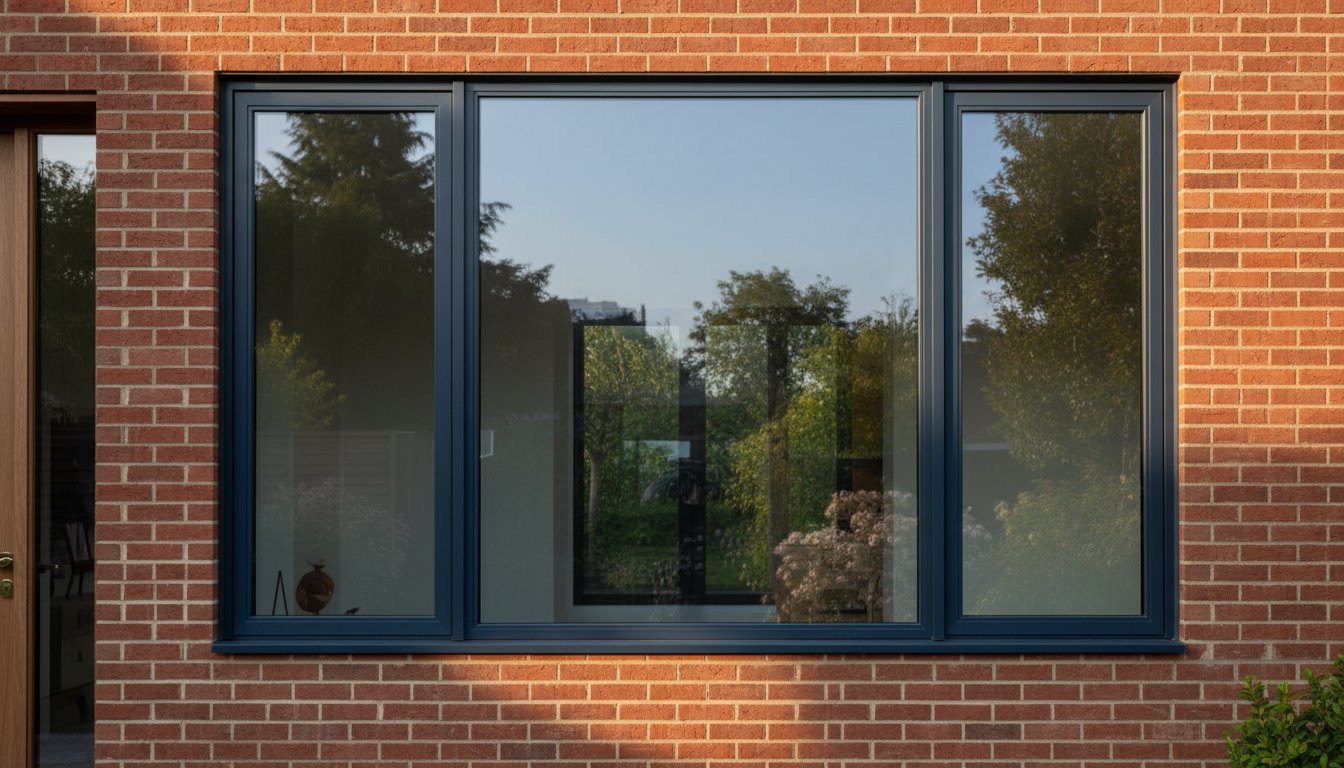
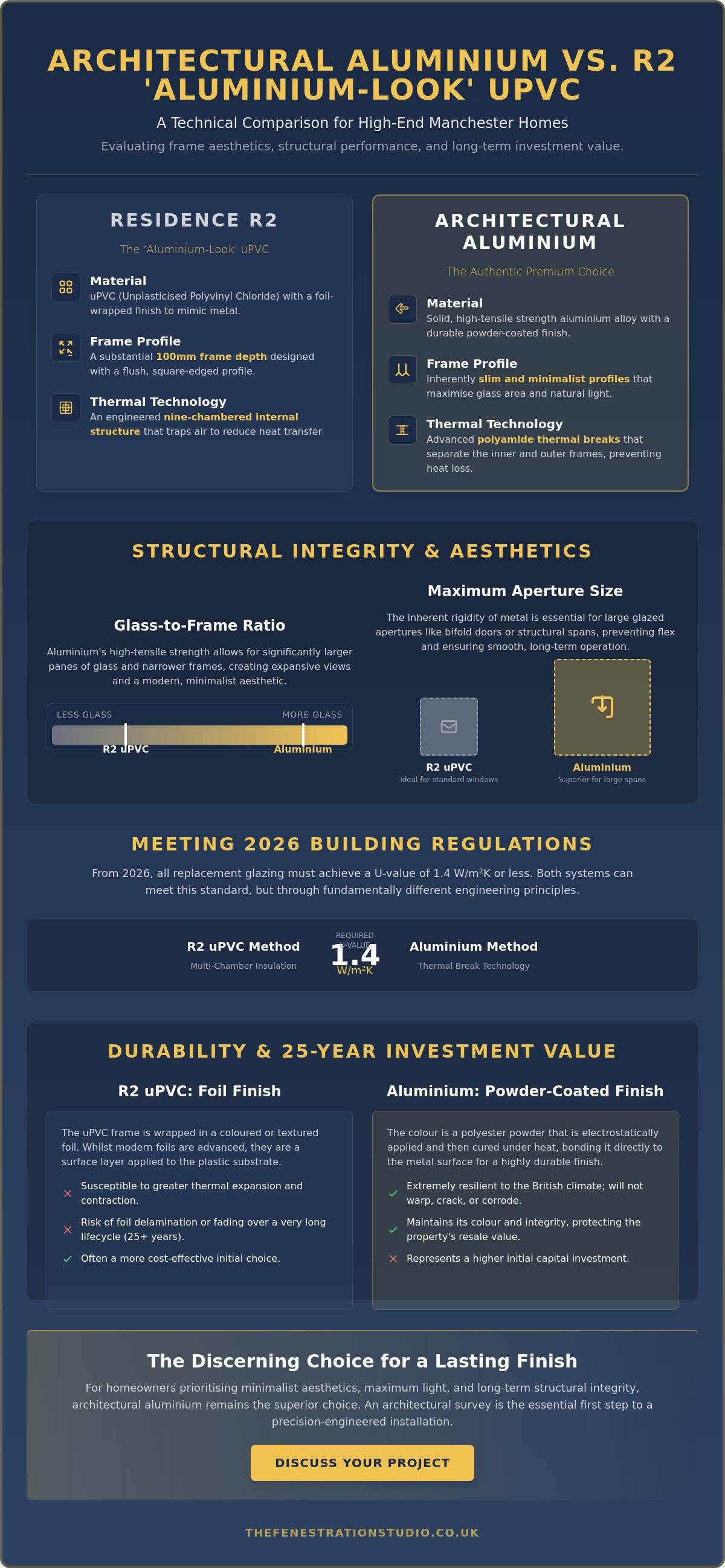
The Residence R2 collection represents a specific shift in the window industry. Whilst traditional uPVC frames often lean towards a decorative, timber-effect aesthetic, the R2 system is engineered with a strict, square-edged profile. It features a substantial 100mm frame depth and a sophisticated nine-chamber design. This internal structure aims to provide high levels of thermal insulation, yet the primary appeal remains the internal "square" lead detail that mimics the clean lines of modern metal frames. It's a product designed for those who appreciate architectural precision but are exploring different material substrates.
Many homeowners ask, "Should I choose Residence R2 Aluminium look uPVC windows in Manchester?" when planning a contemporary extension or a full-property refurbishment. The attraction is often financial. The promise is aesthetic. R2 is frequently positioned as a cost-effective alternative to high-specification aluminium windows, promising the "look" of architectural glazing without the associated investment of solid metal. However, understanding the technical differences between a mimic and the original material is essential for a successful long-term project. Precision in selection leads to precision in result.
The Aesthetic Intent: Square vs. Decorative
Unlike the R9 or R7 collections, which focus on replicating 19th-century timber joinery, R2 is purely minimalist. It prioritises the flush finish that has become a prerequisite for modern British renovations. This design removes the overlapping "lips" common in standard uPVC, creating a flat external surface. It aligns with the current trend for sharp, architectural lines, providing a cleaner silhouette. This shift towards minimalist design reflects a broader move amongst Manchester homeowners who want their properties to feel contemporary, sleek, and uncluttered.
The Material Reality: It is still uPVC
Despite its appearance, R2 remains a uPVC product. It uses a foiled finish to replicate the texture and colour of powder-coated aluminium. This is a critical distinction for the discerning client. Whilst aluminium is inherently rigid, uPVC is a thermoplastic that behaves differently under thermal stress. Choosing the right window construction materials involves considering how frames expand and contract in the variable UK climate. For larger glazed apertures or structural spans, the limitations of a uPVC substrate become more apparent. Aluminium offers a high-tensile strength that allows for much slimmer sightlines and larger glass panels than any plastic-based alternative can safely achieve.
Performance Comparison: R2 uPVC vs. Architectural Aluminium
Performance in fenestration is often reduced to a single number, yet true engineering excellence encompasses structural stability, thermal resistance, and long-term weather behaviour. Whilst the Residence R2 system effectively mimics the square-edged profile of metal, it remains a different material substrate with distinct physical properties. When considering the technicalities of a high-end project, the question often arises: Should I choose Residence R2 Aluminium look uPVC windows in Manchester? The answer lies in whether your priority is a budget-focused aesthetic or the uncompromising rigidity required for modern architectural designs.
Thermal Efficiency and 2026 Building Regulations
As of May 2026, all replacement windows must achieve a maximum U-value of 1.4 W/m²K to comply with updated Part L Building Regulations. The Residence R2 system utilises a nine-chambered uPVC profile to trap air and limit heat loss. Conversely, premium aluminium windows employ advanced polyamide thermal breaks to bridge the gap between internal and external faces. Both systems comfortably meet current standards, particularly when paired with triple glazing to approach Passivhaus levels of efficiency. Understanding energy performance ratings is vital for ensuring your home remains comfortable throughout the damp, cold Manchester winters. Thermal bridging is the process where heat finds a path of least resistance through a conductive material, essentially bypassing the window's insulating layers. High-grade aluminium systems are specifically engineered to eliminate this risk, rivaling the insulating properties of multi-chambered plastic.
Structural Integrity and Glass-to-Frame Ratios
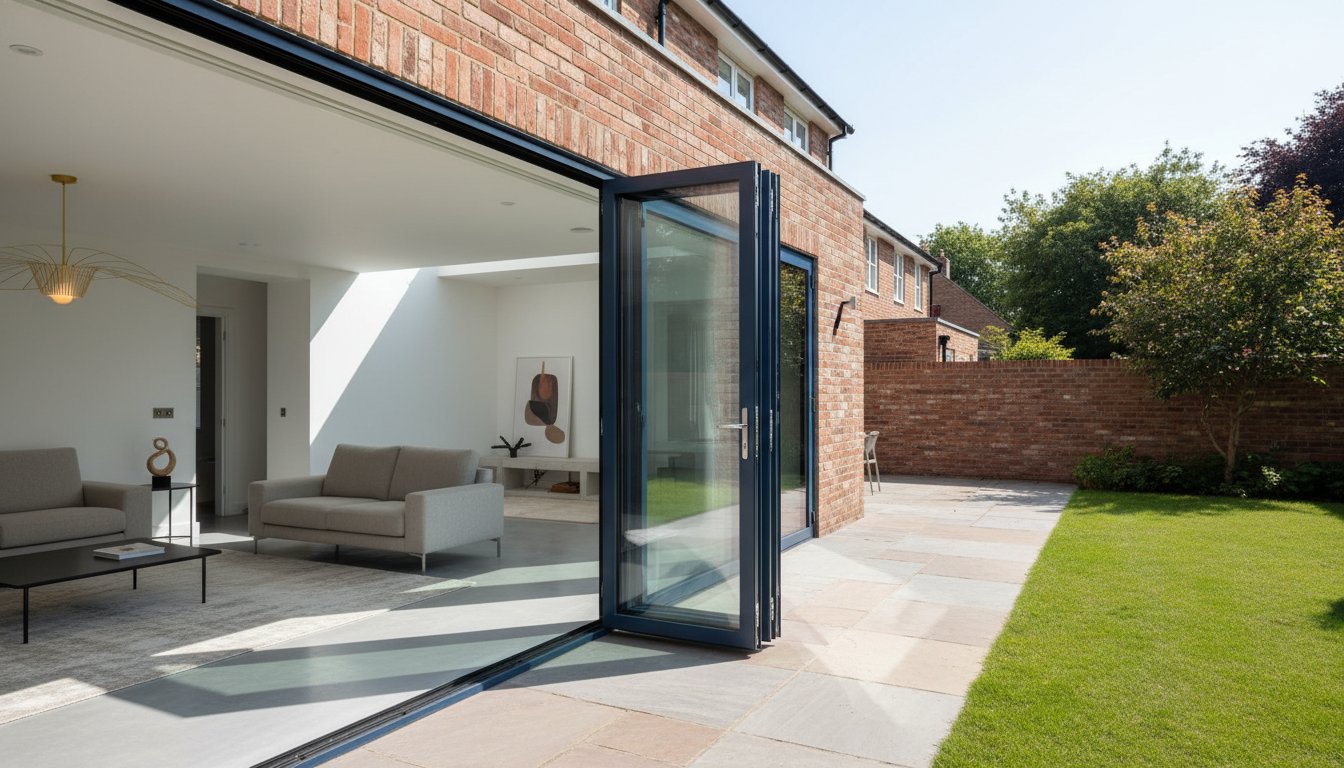
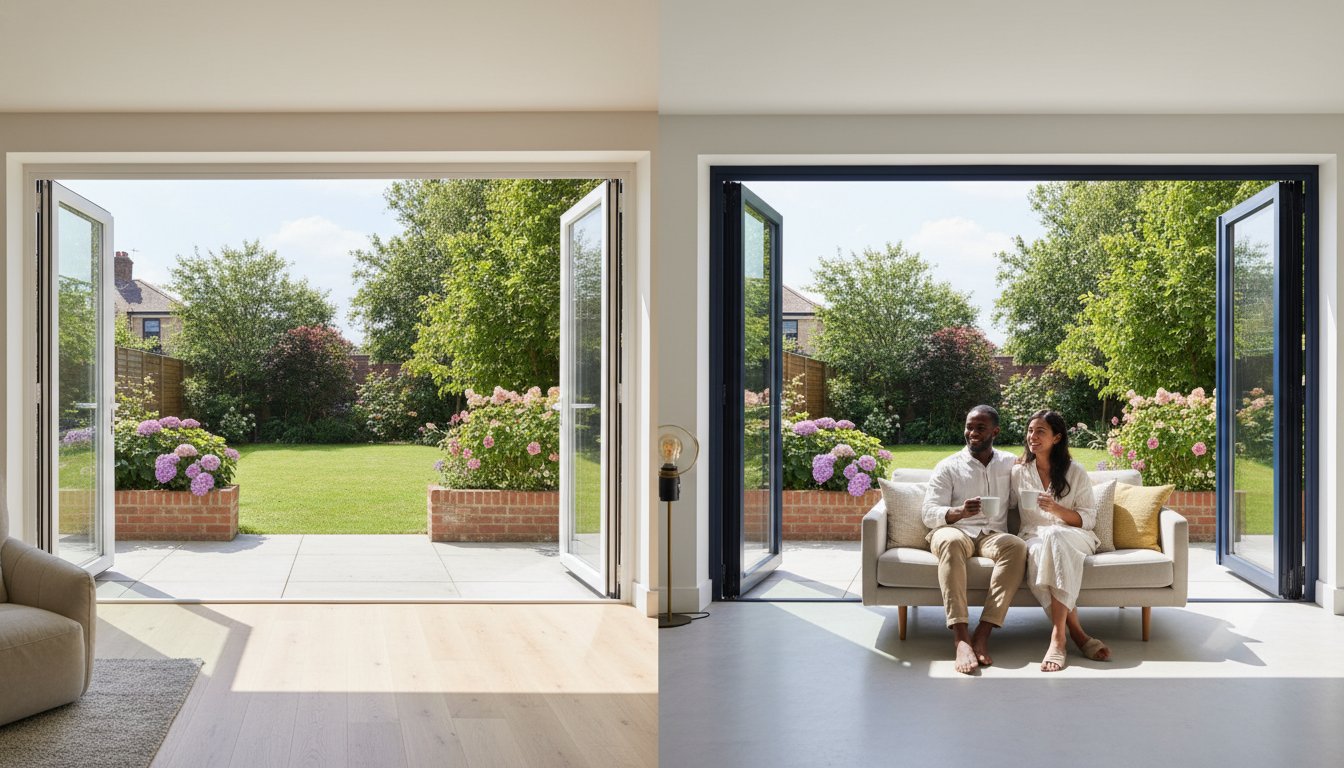
For those still asking, "Should I choose Residence R2 Aluminium look uPVC windows in Manchester?", the decision often hinges on the desired ratio of glass to frame. Aluminium possesses a high-tensile strength that uPVC cannot match. This inherent rigidity is why aluminium is the only viable choice for expansive aluminium sliding doors or large-scale bifold systems. uPVC frames require much thicker profiles to support the weight of heavy double or triple-glazed units. Over time, wide uPVC openings are susceptible to "sagging" or bowing under thermal expansion, which can compromise the smooth operation of the sash. If your design calls for a "Glass Wall" effect with ultra-slim sightlines, the structural integrity of metal ensures the frames remain slender and plumb for decades. To see how these structural advantages apply to your specific floor plan, you might wish to request a tailored performance breakdown from a technical consultant.
Aesthetic Realism: Can uPVC Truly Replicate Slimline Aluminium?
Achieving a convincing industrial or architectural finish requires more than just a square-edged profile. It demands a specific texture, a particular way of reflecting light, and precision in every corner join. When homeowners ask, "Should I choose Residence R2 Aluminium look uPVC windows in Manchester?", they're usually seeking the minimalist elegance of metal at a different price point. However, the visual difference between a foiled plastic surface and a powder-coated metal one becomes apparent under close inspection, particularly in the varying light conditions of the North West.
The primary aesthetic hurdle for uPVC is the plastic sheen factor. Even the most advanced foils used on the R2 collection are essentially a textured film applied to a substrate. Whilst these foils are durable, they can't replicate the flat, matte depth of polyester powder-coated aluminium windows. Powder coating involves baking a polyester resin onto the metal, creating a finish that's structurally part of the frame. This process ensures the colour remains vibrant and resistant to UV fading for decades; foils can occasionally lose their lustre or show signs of peeling at the edges over a 25-year lifecycle.
Sightline Precision and Profile Depth
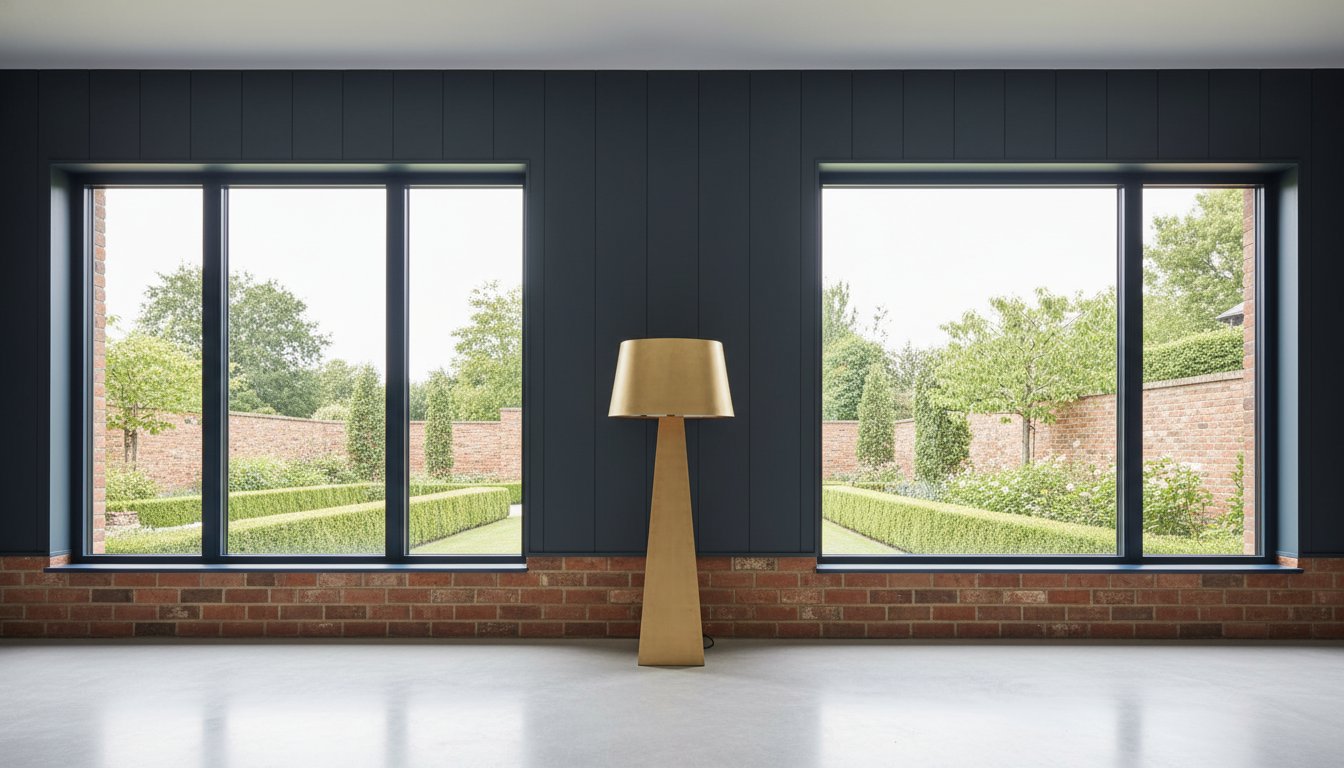
Architectural symmetry is a hallmark of modern design. The Residence R2 system features a 100mm frame depth, which is significantly bulkier than the profiles found in high-end aluminium systems. This depth directly impacts the glass-to-frame ratio. Thicker frames mean less glass, which ultimately reduces the volume of natural light entering your living space. When matching windows with expansive aluminium bifolding doors, the difference in sightline width can disrupt the visual flow of a renovation. Precision-engineered aluminium allows for a more minimalist silhouette, ensuring that the frames almost disappear into the structure.
Colour Longevity and RAL Matching
Consistency is vital when coordinating different elements of a property's exterior. uPVC manufacturers offer a respectable range of foil colours, but they're still limited compared to the near-infinite RAL palette available for aluminium. This makes it challenging to achieve a perfect match if you're also installing bespoke entrance doors or roof lanterns. All installations must adhere to UK building regulations for windows regarding safety and ventilation. Using authentic aluminium ensures that every component, from the corner joinery to the architectural hardware, maintains a uniform, premium standard that uPVC struggles to emulate over time.
Long-Term Value: Investment and Durability for UK Homes
A window replacement is not merely a cosmetic update; it is a structural investment in the fabric of your property. For many homeowners, the dilemma remains: Should I choose Residence R2 Aluminium look uPVC windows in Manchester? Whilst the initial outlay for a premium uPVC system may appear lower, the long-term financial trajectory often favours authentic metal. Property value is inextricably linked to the perceived quality of materials used. High-end buyers in the Manchester region increasingly view architectural aluminium as a non-negotiable standard for premium dwellings.
The durability of these materials under the duress of the British climate is a primary concern. Manchester's high-exposure locations demand windows with exceptional wind load resistance and water tightness. Aluminium remains structurally inert, meaning it does not warp, twist, or expand significantly when subjected to temperature fluctuations or driving rain. Over a 25-year lifecycle, this material stability ensures that seals remain intact and operations stay smooth. In contrast, even high-performance uPVC can lose its structural "memory" over time, leading to draughts and mechanical failure that necessitate earlier replacement.
The Investment Case for Real Aluminium
In the competitive UK property market, aluminium windows act as a significant value-add. They signal to surveyors and prospective buyers that the renovation was handled with a focus on longevity rather than short-term cost-saving. When evaluating the total cost of ownership over 30 years, the maintenance requirements for powder-coated aluminium are minimal, often requiring nothing more than a routine wipe-down. Aluminium windows are considered a generational investment because their structural lifespan frequently exceeds forty years without compromising on aesthetic or thermal performance.
Sustainability and the Circular Economy
Modern homeowners in 2026 are increasingly driven by ethical considerations and the environmental footprint of their building materials. Aluminium is widely regarded as a "green" metal; incredibly, 75% of all aluminium ever produced is still in use today. It can be recycled infinitely without losing its physical properties, making it a cornerstone of the circular economy. Conversely, recycling multi-material uPVC frames is a complex and energy-intensive process that often results in a lower-grade plastic. Choosing a truly sustainable material ensures your home meets the rigorous environmental standards expected of luxury properties today. If you are ready to secure the long-term value of your home, we recommend that you book a design consultation to discuss a tailored architectural glazing strategy.
The White Glove Alternative: Why True Aluminium is the Discerning Choice
Selecting a window system is a technical decision that requires more than a simple product brochure. Whilst many ask, "Should I choose Residence R2 Aluminium look uPVC windows in Manchester?", the conversation should really focus on the project's architectural integrity. At The Fenestration Studio, we don't just supply frames; we provide an architectural consultancy service. Our approach moves away from aggressive sales tactics toward a sophisticated, methodical process. We prioritise quiet confidence and professional rigour over industry stereotypes, ensuring that your home receives a solution tailored to its specific structural needs.
The Fenestration Studio experience is defined by our White Glove Service. This isn't a manual task; it's a premium service experience. From the moment we step onto your property, we operate as organised, systematic consultants. We identify potential pitfalls early, protecting your investment from common industry errors. This level of advocacy ensures that the final result is not just a window, but a precision-engineered component of your home's architecture. We choose to be honest about the limitations of various materials, positioning ourselves as a knowledgeable partner rather than a retail outlet.
Bespoke Engineering for Your Project
A flush, minimalist installation requires millimetre-perfect precision. Standard uPVC installers often rely on generous tolerances and sealant to mask inaccuracies in the aperture. In contrast, our architectural glazing requires a rigorous surveying phase. Professional surveying is critical for slimline aluminium. Unlike the 100mm depth of Residence R2, architectural aluminium frames have much tighter tolerances. A slight error in measurement can compromise the entire aesthetic of a flush-fit finish. Our surveyors work with professional rigour to ensure every aperture is prepared correctly. This methodical pace suggests that precision is valued over speed. It's the difference between a standard fit and a bespoke architectural installation.
We manage the entire project lifecycle, from initial technical specification to the final handover. This systematic approach ensures a stress-free experience for the homeowner. There are instances where the structural demands of a building mean aluminium is non-negotiable. We're honest about these limitations, helping you avoid the financial risks of choosing an unsuitable material for wide spans or high-wind areas.
Next Steps for Your Renovation
Transitioning from a "uPVC mindset" to an architectural glazing perspective involves prioritising long-term reliability. It's about understanding that a premium property deserves premium materials. Before your technical consultation, consider the specific light requirements and structural openings of your Manchester home. Our experts will guide you through our range of aluminium products, ensuring every detail is handled with professional care. If you're ready to elevate your project, you can Book a Design Consultation for your aluminium project today.
Securing Your Architectural Vision
Choosing between a high-end mimic and a structural original requires a clear understanding of your property's long-term trajectory. Whilst the Residence R2 system effectively replicates the flush, square-edged aesthetic of modern metal, it cannot match the inherent tensile strength or the ultra-slim sightlines of authentic aluminium. For those still asking, "Should I choose Residence R2 Aluminium look uPVC windows in Manchester?", the decision rests on whether you prioritise a budget-led alternative or a generational investment that protects your property's resale value.
As an independent family-run business, we specialise in high-end architectural glazing that meets the rigorous demands of the 2026 British building standards. Our comprehensive White Glove installation service ensures that every technical specification is handled with professional rigour, from the initial survey to the final handover. Precision is our standard; your home deserves nothing less.
Explore our range of premium aluminium windows and discover how our consultative approach can transform your renovation into a lasting architectural statement. We look forward to guiding you through your next project.
Frequently Asked Questions
Is Residence R2 uPVC or aluminium?
Residence R2 is a premium uPVC system. It is specifically engineered with a 100mm frame depth to replicate the square, flush aesthetic of modern metal, but the underlying substrate remains a thermoplastic. Whilst it offers a convincing alternative look, it does not possess the inherent structural properties or the high-tensile strength of architectural aluminium.
Will Residence R2 windows increase my home value as much as aluminium?
Aluminium is typically regarded as a superior asset in premium property listings due to its longevity and architectural prestige. High-end buyers often look for the minimalist sightlines and authentic material quality of metal. When asking, "Should I choose Residence R2 Aluminium look uPVC windows in Manchester?", consider that aluminium often provides a better long-term return by signaling a higher standard of renovation.
Can I get Residence R2 in any RAL colour?
No, the Residence R2 collection is limited to a specific range of foiled finishes. Whilst the available palette is sophisticated, it cannot match the near-infinite RAL colour options available for powder-coated aluminium. Authentic aluminium allows for total customisation, ensuring your windows match other elements like bifold doors or roof lanterns perfectly.
How do the sightlines of R2 compare to slimline aluminium windows?
Residence R2 sightlines are significantly bulkier than those of slimline aluminium. The 100mm frame depth required for uPVC structural stability reduces the overall glass area in each aperture. Aluminium's strength allows for much narrower profiles, which maximises natural light and creates the refined, contemporary silhouette that modern architectural designs demand.
Are aluminium windows more energy efficient than Residence R2 in 2026?
Both systems comfortably meet the 2026 Part L Building Regulations, which require a maximum U-value of 1.4 W/m²K for replacement glazing. Modern aluminium windows utilise advanced polyamide thermal breaks to rival the insulation of multi-chambered uPVC profiles. Both materials deliver exceptional thermal performance when paired with high-specification double or triple glazing units.
What happens if a uPVC foil gets scratched compared to powder-coated aluminium?
Scratches on uPVC foils are difficult to rectify and often reveal the contrasting base colour of the plastic substrate underneath. Polyester powder coating is baked onto aluminium frames to create a resilient, integrated bond. This finish is significantly more durable and resistant to the mechanical wear or UV fading often seen over a 25-year lifecycle.
Do Residence R2 windows require a different installation process?
The installation of R2 requires specific technical planning due to its 100mm frame depth. This is considerably deeper than standard 70mm uPVC frames or slimline aluminium systems. Precision surveying is essential to ensure the deeper frames align correctly with the structural opening and internal plaster lines for a truly flush finish.
Which material is better for large bifold or sliding doors?
Aluminium is the non-negotiable choice for large-scale apertures and expansive glass spans. It provides the structural rigidity necessary to support heavy glazed units in sliding or bifold doors without the risk of sagging or bowing. uPVC lacks the tensile strength to manage these significant weights over a long operational lifecycle.