Is the most popular window system in the West Midlands actually the right choice for your specific architectural vision? While many homeowners default to Casement Veka Halo uPVC windows in Birmingham, the assumption that uPVC is the only path to high-level thermal efficiency is a common industry misconception. You want a home that feels secure and looks sophisticated. It's natural to feel anxious about the "plastic" aesthetic often associated with budget frames or the rising pressure of 2026 energy regulations. Choosing the wrong profile can lead to years of aesthetic regret and inefficient performance.
This guide provides the professional clarity you need to make an informed investment. You'll discover how top-tier casement systems compare to architectural aluminium alternatives to ensure your home upgrade is both beautiful and future-proof. We'll examine the technical realities of the 1.4 W/m²K U-value requirements, Part L compliance, and the subtle design nuances that separate a standard installation from a truly bespoke architectural statement. By understanding these distinctions, you can secure a stress-free installation that delivers long-term value and uncompromising style.
Key Takeaways
- Compare the lifecycle performance of different materials, noting the 45-year durability of premium aluminium against the typical 25-year lifespan of uPVC.
- Navigate the 2026 Building Regulations with confidence by understanding the mandatory thermal performance and ventilation requirements for all replacement glazing.
- Identify the aesthetic distinctions between flush and lipped sash profiles to ensure your window selection complements your property's unique architectural heritage.
- Evaluate the performance of Casement Veka Halo uPVC windows in Birmingham against high-end aluminium systems to achieve the perfect balance of efficiency and style.
- Recognise the hidden risks of supply-only retail and discover the value of a managed, consultative installation process that ensures long-term project integrity.
Understanding Casement Windows: Why VEKA and Halo Systems Lead the Market
Casement windows remain the definitive choice for British residential architecture. Defined by a sash attached to a frame by one or more hinges at the side or top, they offer a versatile solution for both ventilation and expansive views. For a comprehensive overview of windows and their historical significance, it's clear why this functional design has endured. In the West Midlands, the specification of Casement Veka Halo uPVC windows in Birmingham has become a standard for homeowners seeking a reliable balance between cost and thermal performance. VEKA and Halo have earned their reputation by engineering profiles that move beyond basic plastic frames into the territory of high-performance building components.
The leadership of these systems is rooted in their multi-chambered internal construction. Unlike older, solid uPVC profiles that allowed heat to escape freely, modern VEKA and Halo frames utilize internal pockets of air to create a sophisticated thermal barrier. Every installation includes essential security and durability features as standard. Multi-point locking systems secure the sash at several points along the frame, whilst high-grade weather seals prevent draughts. These systems are designed to be low-maintenance, resisting the fading or cracking often seen in budget alternatives. Whilst we often recommend Aluminium Windows for their superior slimness, the Veka Halo range represents the highest tier of the uPVC market.
The Technical Edge of the VEKA Halo Profile
The 70mm frame depth of the VEKA Halo system is specifically engineered for the UK replacement market. It fits the footprint of traditional timber windows, ensuring a cleaner finish during installation. Homeowners can choose between the sculptured Rustique profile for a softer, traditional appearance or the bevelled System 10 profile for a contemporary, angular look. Structural integrity is guaranteed through fusion-welded joints. These aren't simply glued; the material is melted together to create a single, continuous piece of uPVC that resists twisting and sagging over time.
Energy Efficiency and U-Values
Current 2026 Building Regulations mandate a maximum U-value of 1.4 W/m²K for replacement windows. VEKA and Halo systems comfortably meet this requirement, often achieving 1.3 W/m²K with the right glazing specification. This level of insulation is critical for controlling rising energy costs. Whilst double glazing is standard, these profiles are robust enough to support triple glazing. This addition provides a significant uplift in acoustic insulation and heat retention. Slimline weather seals are integrated into the profile to eliminate cold spots without creating bulky, unsightly black lines around the glass.
Premium Aluminium vs. uPVC Casement Windows: The Architectural Verdict
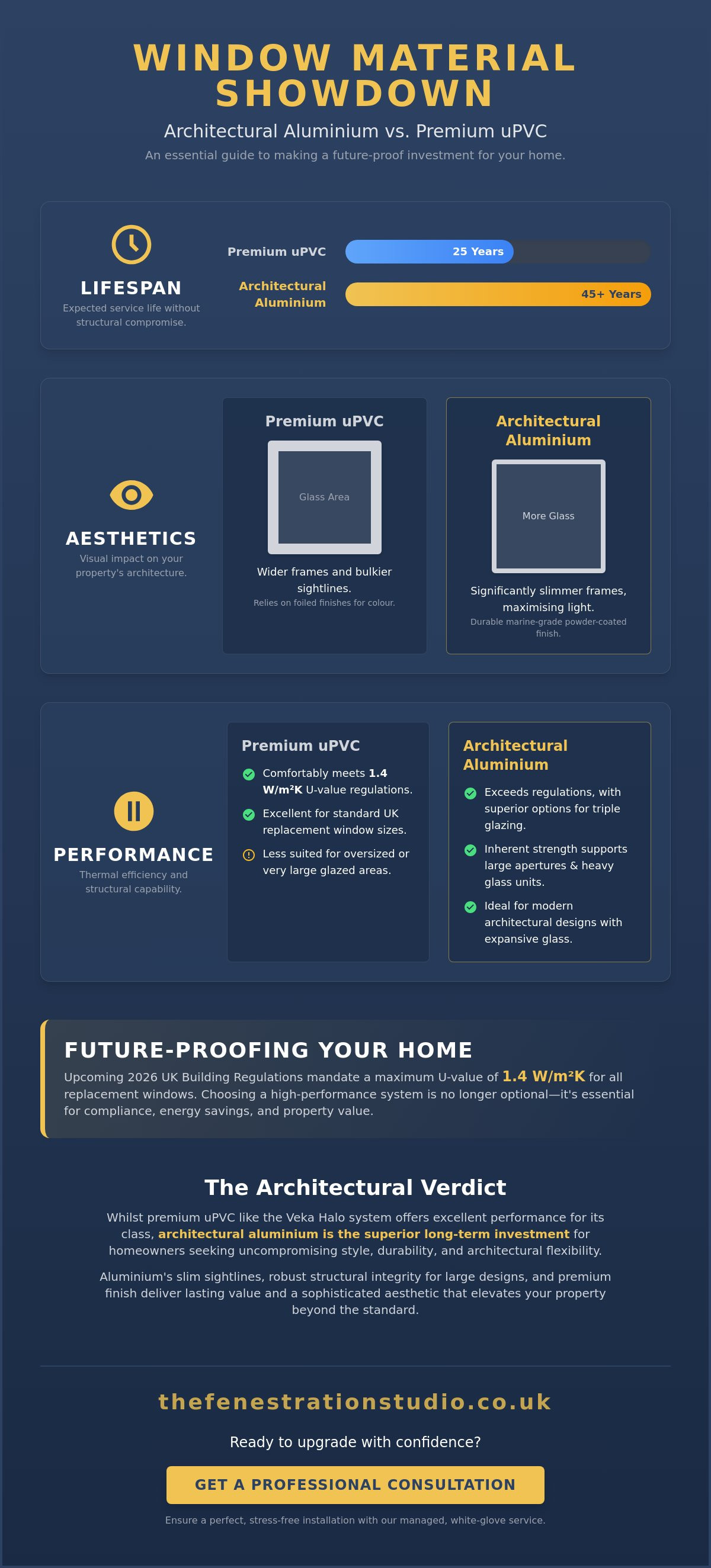
Selecting the right frame material is the most critical decision in any fenestration project. It's the choice that dictates your home's aesthetic, its thermal longevity, and its overall market value. Whilst Casement Veka Halo uPVC windows in Birmingham represent a significant technical upgrade over dated 1990s glazing, a direct comparison with architectural aluminium reveals a clear hierarchy in performance. The lifespan of a high-quality uPVC frame is generally estimated at 20 to 25 years. Aluminium, however, is a lifetime material, often providing over 45 years of service without compromising its structural integrity.
The "Slimline" factor is perhaps the most visible differentiator. Aluminium's inherent strength allows for much narrower sightlines. This means you get more glass and less frame, which is essential for a sophisticated, modern look. Finishing also plays a role in long-term value. uPVC relies on foiled finishes that can, over decades, show signs of wear. Premium aluminium utilises a marine-grade powder coating that is fused to the metal, ensuring the colour remains stable and vibrant even in harsh weather conditions. It's a level of finish that suggests professional rigor rather than a mass-produced solution.
Structural Integrity and Large Apertures
Aluminium is the preferred choice for large-scale casement designs. Its strength supports the weight of high-performance triple glazing without the risk of the sash sagging or the frame warping. In exposed or high-wind locations, uPVC requires internal steel reinforcement, which can add bulk and complicate the thermal profile. Ensuring your project meets UK building regulations for windows is far more straightforward when the material itself provides the necessary rigidity and security for expansive glass spans.
Aesthetic Versatility: From Heritage to Contemporary
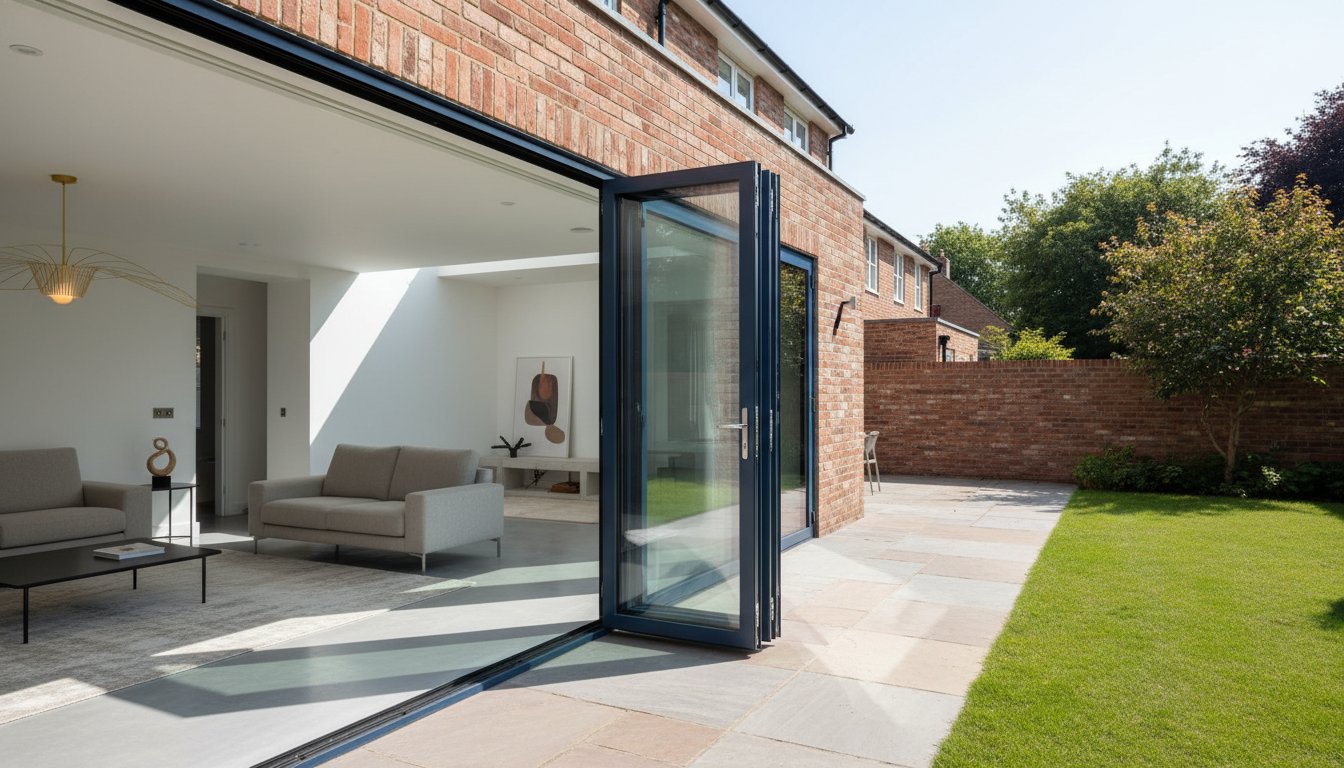
Achieving a genuine "Heritage" look requires the slim profiles that only aluminium can offer. uPVC often appears too "heavy" for traditional renovations, whilst slimline aluminium replicates the fine lines of historic steel windows with remarkable accuracy. If you're looking to create a unified architectural feel across your property, it's often best to explore architectural aluminium windows that can be perfectly colour-matched to your bifold or sliding door systems. This consistency creates a high-end finish that elevates the entire property's exterior character, moving away from the "plastic" look of standard residential glazing toward a more considered, bespoke aesthetic.
Navigating the Pitfalls of High-End Window Specification
Even when specifying a reputable system like Casement Veka Halo uPVC windows in Birmingham, the success of the project hinges on the technical details. Many homeowners succumb to the temptation of 'Supply Only' retail deals, assuming that a lower upfront cost represents better value. It rarely does. A window is only as good as the survey that preceded it. Professional surveying is non-negotiable for anyone seeking a sophisticated, architectural result. Without this consultative oversight, you risk inheriting a product that doesn't fit the structural reality of your property.
Hardware choice is another frequent pitfall. It's easy to focus on the frame colour whilst overlooking the internal mechanics. Poor-quality hinges and locks can compromise even the most advanced profiles. The nuances of thermal performance also require careful scrutiny. Not all 'A-rated' windows perform identically in practice. When evaluating uPVC vs. aluminium windows, the engineering of the thermal break becomes paramount. You must also remain vigilant regarding Building Regulations. Ignoring Part F requirements for trickle vents or Part B for fire escape egress can lead to significant legal complications during future property valuations.
The Importance of Technical Surveying
Precise measurements are the foundation of a clean, architectural finish. A professional surveyor doesn't just measure height and width; they assess the structural integrity of the opening. They check for hidden lintel issues that could cause the masonry to drop once the old frame is removed. This foresight prevents the need for unsightly plastic 'trimming' or excessive silicone. It ensures the window sits perfectly flush within the reveal, respecting the original lines of the building. Without this technical rigour, you risk an installation that looks like a budget afterthought rather than a premium upgrade.
Hardware and Security Standards
Security should never be an optional extra. Look for PAS 24 and Secured by Design accreditation to guarantee peace of mind. The tactile feel of a window is dictated by its handle choice; it should feel substantial and deliberate. Friction stays and hinges are the components that actually bear the weight of the glass. High-specification hardware prevents the sash from dropping over time, ensuring the system remains weather-tight for its entire lifecycle. This mechanical precision is what separates a premium installation from a generic fitting of Casement Veka Halo uPVC windows in Birmingham. For those seeking the ultimate in security and slim sightlines, our Aluminium Windows offer an uncompromising alternative.
Planning Your Project: A Guide to Window Styles and Colours
Selecting a frame style is more than a cosmetic choice; it's an architectural commitment. Whilst many homeowners in the West Midlands default to standard profiles, a more considered approach can significantly enhance property value. For those specifying Casement Veka Halo uPVC windows in Birmingham, the primary aesthetic decision involves the sash profile. Flush sash designs sit level with the frame, providing a sleek, understated appearance that mirrors traditional timber joinery. Lipped sashes, conversely, overlap the frame. This creates a more traditional, layered look that remains a popular standard for many residential renovations.
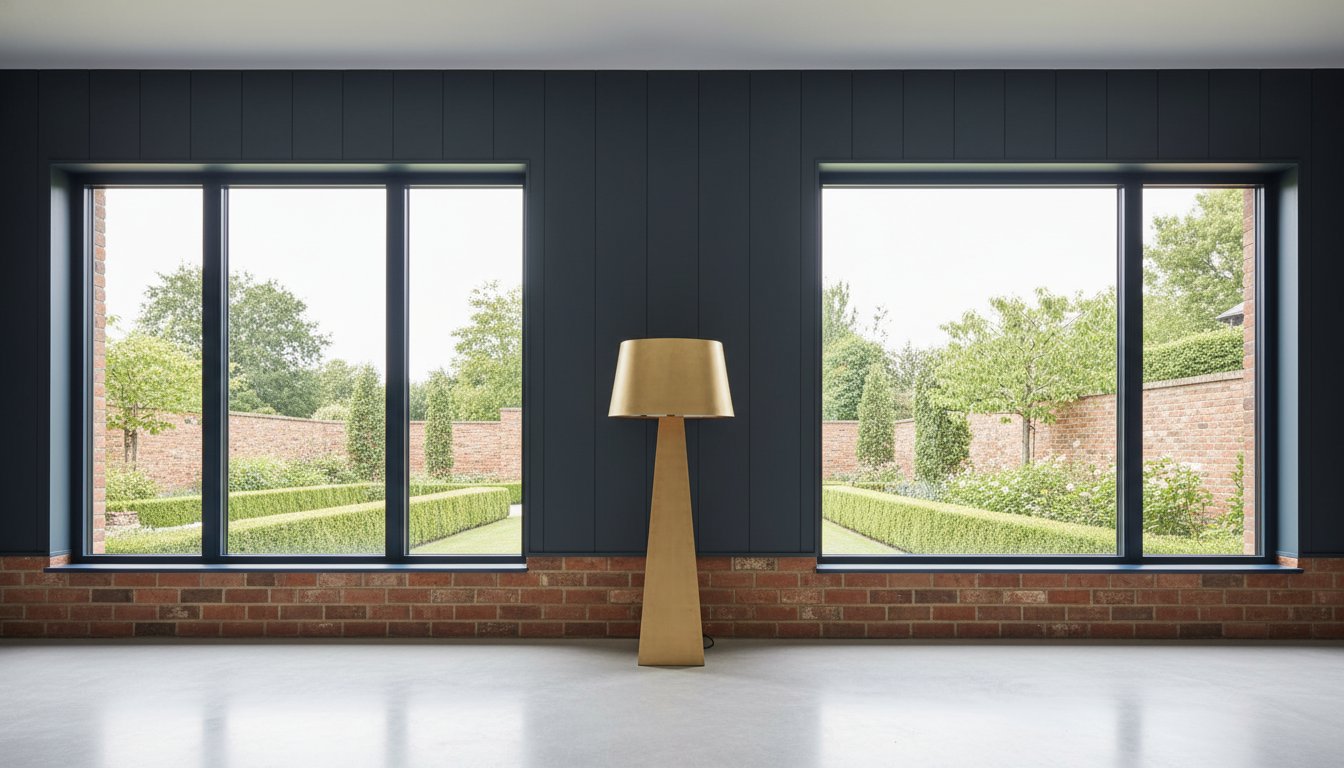
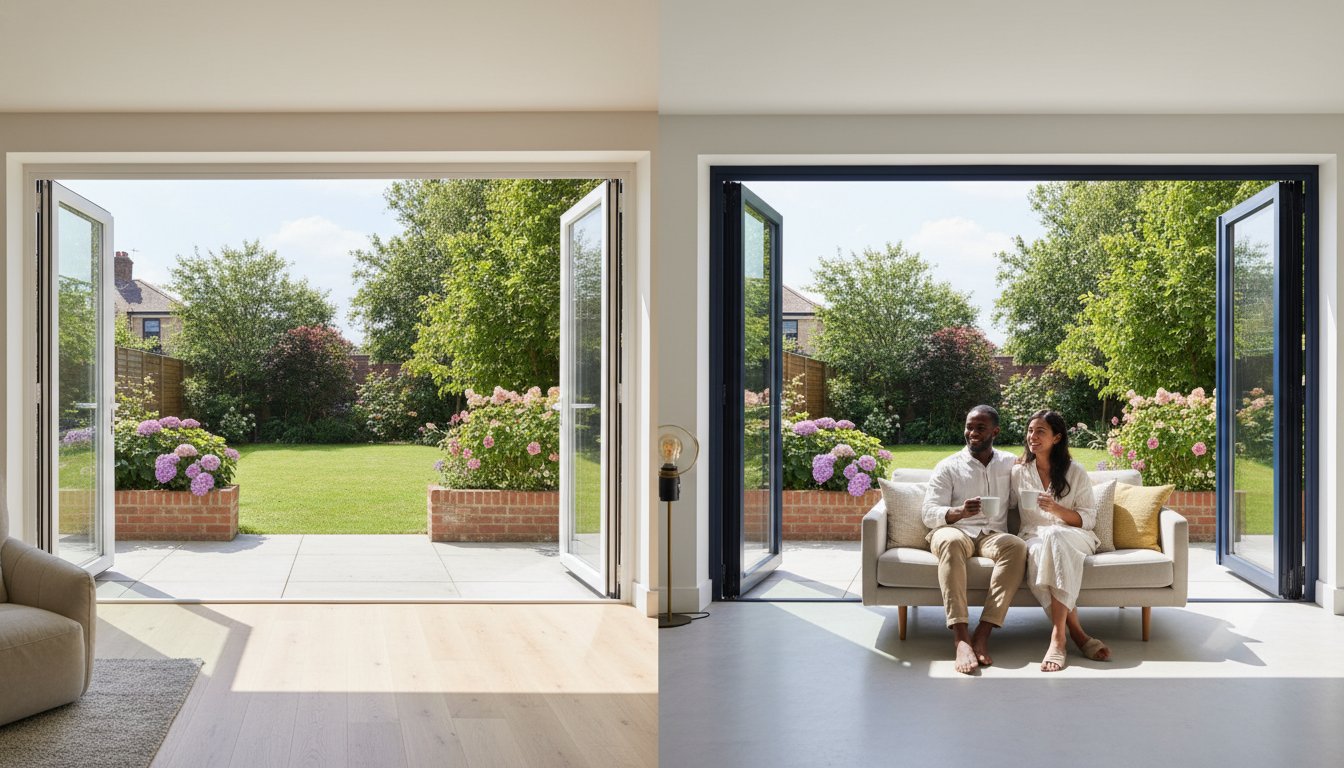
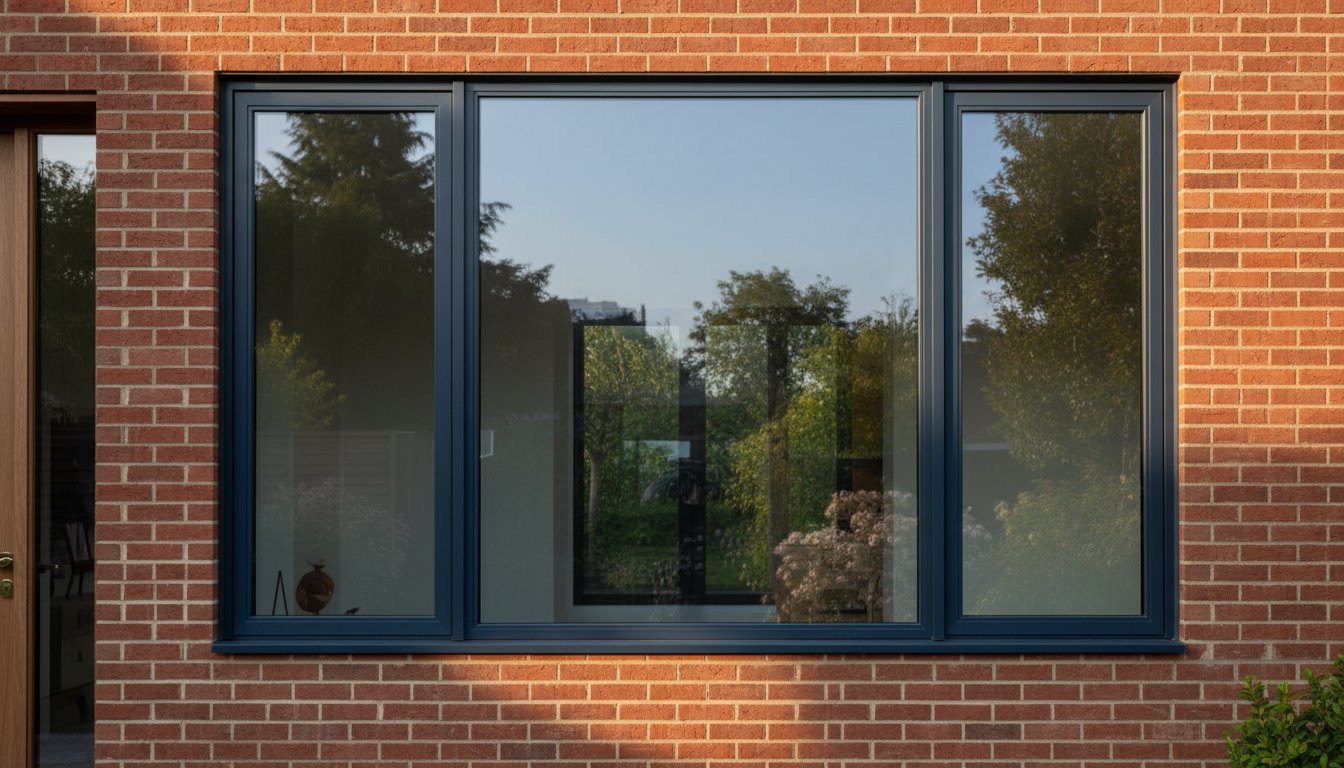
Colour choice has evolved rapidly. The rise of Anthracite Grey and Black frames has redefined the modern standard, moving away from the ubiquitous white uPVC of previous decades. These darker tones provide a crisp, industrial edge that frames the view like a piece of art. Dual-colour options are particularly effective for high-end projects. They allow you to specify a bold, dark exterior whilst maintaining a neutral white or cream interior to match your decor. Glass selection is the final technical hurdle. You should consider solar control glass for south-facing elevations to prevent overheating, whilst acoustic dampening is essential for properties situated near busy urban transport links.
Heritage and Conservation Considerations
Period properties require a higher level of technical detail to maintain their historical integrity. Specifying astragal bars and run-through horns can transform a modern profile into a period-accurate feature. In conservation areas, it's often necessary to choose Heritage Style Windows over standard casements to satisfy strict planning requirements. These systems replicate the fine sightlines of traditional windows whilst delivering 2026-compliant thermal performance. Navigating these permissions requires a consultative partner who understands the local architectural landscape.
Modern Minimalist Designs
The modern architectural trend is defined by a 'less is more' philosophy. Maximising natural light requires ultra-slim profiles and a strategic balance between fixed lights and opening sashes. This creates a symmetrical facade that feels open and airy. For a cohesive whole-house aesthetic, consider integrating your window specification with Aluminium Sliding Doors. This combination ensures that the sightlines and colour finishes remain consistent across all apertures, creating a seamless transition between your interior living space and the exterior. To begin tailoring these details to your property, we invite you to book a professional design consultation today.
The Fenestration Studio: A White Glove Approach to Glazing
The Fenestration Studio operates with a philosophy of quiet confidence. We've moved away from the aggressive sales tactics that define much of the glazing industry, choosing instead to act as a knowledgeable partner for your project. Whilst many homeowners begin their search by researching Casement Veka Halo uPVC windows in Birmingham, our role is to provide the technical clarity required for a high-end renovation. We maintain a dual identity; we have a deep regional presence in the West Midlands, yet we uphold the uncompromising standards of a national architectural consultancy.
Our integrity is rooted in transparency. We're honest about the limitations of low-cost alternatives, which is why we've curated a portfolio focused exclusively on premium systems such as Aluminium Windows and Heritage Style Windows & Doors. By focusing on these high-performance materials, we ensure your project avoids the common pitfalls of standard residential glazing. We manage the entire lifecycle of your project, from the initial technical specification to the final, meticulous installation, ensuring a result that is both architecturally sophisticated and technically superior.
Our Professional Surveying and Installation Process
Technical precision is the cornerstone of our 'White Glove' service. Our surveying process involves a methodical assessment of your property's structural openings to ensure every bespoke product fits perfectly the first time. We don't believe in the 'trimming' or 'making do' that plagues budget installations. Our expert fitting teams are trained to respect your home, maintaining a clean and professional environment throughout the process. This commitment to excellence extends beyond the day of installation; we provide dedicated aftercare and long-term support to protect your investment for decades to come.
Start Your Architectural Journey
A successful home upgrade begins with a professional conversation, not a high-pressure sales pitch. We invite you to Book a Design Consultation to explore how our architectural systems can transform your property's aesthetic and thermal performance. Whether you are comparing the merits of different profiles or looking to view our Aluminium Windows in detail, our team provides the methodical guidance you need. You can request a tailored technical quote today to begin a stress-free journey toward a more sophisticated, energy-efficient home.
Secure Your Architectural Vision
Securing your home's architectural future requires a move away from generic retail solutions toward a more methodical, consultative approach. We've explored how material choice impacts longevity and why technical precision is the only way to avoid common installation pitfalls. Whilst Casement Veka Halo uPVC windows in Birmingham offer a respectable entry point for many, the truly discerning homeowner often finds that architectural aluminium provides the ultimate lifetime value and structural slimness. Success in any fenestration project depends on this balance of high-performance materials and expert surveying.
Our family-run business is built on a foundation of integrity and professional rigour. We combine a curated selection of architectural-grade products with the expertise of national installation teams to ensure your project is managed with total precision. By prioritising technical specification over high-pressure sales, we protect both your financial investment and your home's unique aesthetic character. This white-glove service ensures your new glazing meets the stringent 2026 thermal standards whilst elevating your property's kerb appeal.
Take the next step in your property's evolution. Request a Professional Technical Quote today and experience a high-end, stress-free journey toward a more sophisticated living space. We look forward to helping you achieve a result that is both beautiful and enduring.
Frequently Asked Questions
Are VEKA Halo windows better than standard uPVC?
VEKA Halo systems represent a significant technical advancement over generic uPVC profiles. Their multi-chambered internal structure is designed to meet 2026 Building Regulations, providing superior thermal insulation and structural rigidity. Whilst standard uPVC often relies on basic aesthetics, VEKA Halo profiles offer refined sightlines and a more architectural finish. This makes them a preferred choice for those specifying Casement Veka Halo uPVC windows in Birmingham when aluminium is not the primary requirement.
What is the difference between Halo Rustique and System 10?
The distinction lies in the frame's external profile. Halo Rustique features a sculptured, curved edge that replicates the soft lines of traditional timber joinery; it's ideal for heritage or period-style properties. System 10 utilises a bevelled, angular design that offers a crisp, modern aesthetic suited to contemporary builds. Both systems share the same internal engineering and 70mm frame depth, ensuring that the choice is purely driven by your property's architectural character.
Can I get VEKA Halo windows in colours other than white?
These systems are available in a diverse palette of foiled finishes that move beyond standard white. Anthracite Grey, Black, and various timber-effect grains are increasingly popular for modern renovations. Dual-colour options are also a standard specification, allowing for a bold exterior tone whilst maintaining a neutral white interior. This versatility ensures that your window selection complements both your exterior masonry and your internal decor without compromise.
How long do casement windows typically last before needing replacement?
A high-quality uPVC casement window generally provides a service life of 20 to 25 years. After this period, the seals and hardware may begin to degrade, impacting thermal efficiency. In contrast, architectural aluminium systems are engineered for a lifespan exceeding 45 years. This longevity makes aluminium a more sustainable, long-term investment for homeowners seeking to future-proof their properties against the rising energy performance standards of the 2026 regulations.
Is aluminium more energy-efficient than VEKA uPVC?
Both materials are capable of meeting the 1.4 W/m²K U-value requirement for replacement windows. However, premium aluminium systems utilise advanced thermal break technology that offers exceptional heat retention whilst allowing for much slimmer frames. This increased glass area can improve solar gain. Whilst Casement Veka Halo uPVC windows in Birmingham are technically efficient, aluminium provides a more robust, long-term thermal barrier that won't warp or expand as significantly over time.
What security features should I look for in a new casement window?
You should prioritise systems that carry PAS 24 accreditation and Secured by Design status. These certifications guarantee that the window has undergone rigorous testing against forced entry. Look for multi-point locking mechanisms that secure the sash at several points along the frame. Additionally, high-quality friction stays and reinforced hinges are essential; they ensure the window remains structurally sound and weather-tight, preventing the common security risks associated with sagging sashes.
Do I need planning permission to change my windows to aluminium?
Replacing existing windows with aluminium alternatives typically falls under Permitted Development, meaning planning permission is not required. However, restrictions often apply if your property is a listed building or situated within a designated conservation area. In these sensitive locations, you may need to specify slimline heritage profiles that replicate the original window styles. It's always methodical to consult with your local authority or an architectural advisor before commencing structural changes.
What is a 'White Glove' window installation service?
A 'White Glove' service represents an uncompromising commitment to professional rigour and property respect. It moves beyond a simple manual task to a fully managed service experience. This includes precise technical surveying, expert fitting by specialised teams, and a meticulous approach to cleanliness within your home. The process ensures that your high-end architectural products are installed perfectly the first time, backed by dedicated aftercare to secure the long-term integrity of your investment.