Could your choice of window frame be more important than the glass itself when it comes to winter comfort? Many homeowners assume that triple glazing is a universal fix for a cold house, but the reality is more nuanced. When asking what are the best windows for keeping heat in?, you must look beyond the panes to the thermal breaks and the precision of the installation. With the 2026 building regulations now mandating a maximum U-value of 1.4 W/m²K for replacement windows, the technical specifications you choose today will define your home's efficiency for the next two decades.
We understand the frustration of seeing heating bills rise whilst cold spots persist near your glazing. It's a common challenge in the British climate, especially when conflicting advice makes technical decisions feel like a gamble. This guide clarifies the complexities of U-values and solar gain to help you eliminate draughts and reduce energy requirements. You'll discover how to navigate the latest standards, from mandatory trickle vents to the performance gap between double and triple glazing. We provide a clear framework for selecting high-performance aluminium windows that offer both architectural elegance and uncompromising thermal security.
Key Takeaways
- Master the technical specifications of U-values to ensure your property exceeds the mandatory 2026 building regulation standards.
- Discover what are the best windows for keeping heat in by understanding how high-performance glass interacts with advanced frame engineering.
- Learn why a polyamide thermal break is a non-negotiable feature for preventing heat loss through modern aluminium profiles.
- Guard against cold bridging and perimeter draughts by prioritising surgical installation precision over budget alternatives.
- Compare the thermal efficiency of double and triple glazing to make an informed decision based on the specific requirements of the British climate.
Understanding Window Thermal Performance: The Science of Keeping Heat In
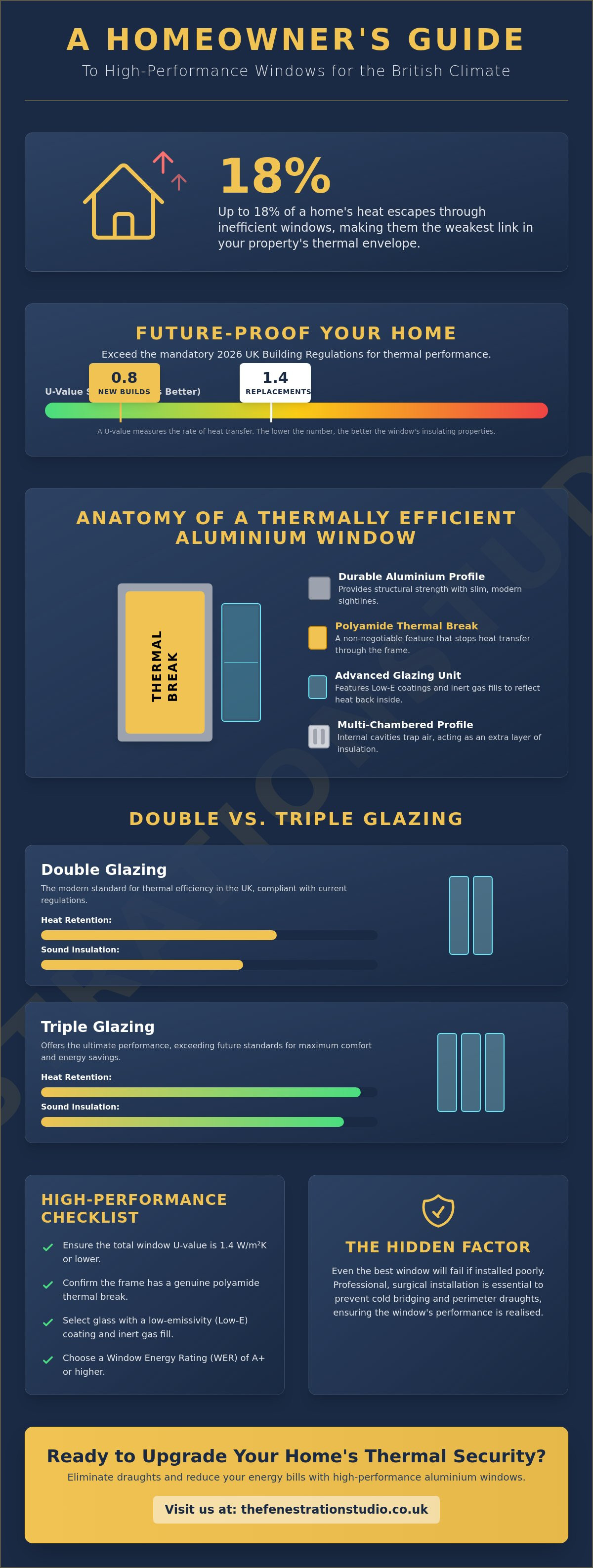
Windows represent the primary point of thermal failure in the British home. Whilst walls and roofs are often heavily insulated, glazing remains a thin barrier between your living space and the elements. Industry research indicates that up to 18% of a property's heat escapes through inefficient windows. This makes them the weakest link in your thermal envelope. When asking what are the best windows for keeping heat in?, it's vital to look beyond the glass. True performance is a calculated synergy of engineering and physics.
Under the 2026 Building Regulations Part L, all replacement windows in existing dwellings must achieve a maximum U-value of 1.4 W/m²K. For new builds, the Future Homes Standard pushes this further to 0.8 W/m²K. These standards are legal requirements designed to meet the UK’s goal of a 31% reduction in CO2 emissions from dwellings. To achieve these targets, we must distinguish between heat retention and solar gain. Heat retention is the ability to trap warmth inside, whilst solar gain refers to the sun's energy passing through the glass. Selecting the right specification is the first step in answering what are the best windows for keeping heat in? for your specific property.
The Role of U-Values and WER Ratings
A U-value is the rate of heat transfer through a structure. For a window, this calculation isn't limited to the glass; it includes the thermal conductivity of the frame and the edge spacers. High-performance aluminium windows rely on advanced insulated glazing to achieve superior results. The British Fenestration Rating Council (BFRC) provides a Window Energy Rating (WER) from G to A++. An A++ rating signifies a product that excels in heat retention and air-tightness, making it the premier choice for the volatile British climate.
Why Thermal Performance Varies Across the UK
Geography dictates the thermal challenges your home faces. A coastal property in a high-exposure zone deals with wind-driven rain that accelerates heat loss through convection. In these regions, airtightness is just as critical as the U-value. This is measured by the L-value, which tracks air leakage. Even the most efficient glass cannot compensate for a frame that allows cold air infiltration. Choosing a system with surgical sealing ensures the internal temperature remains stable, regardless of the weather outside your front door.
The Anatomy of a Thermally Efficient Aluminium Window
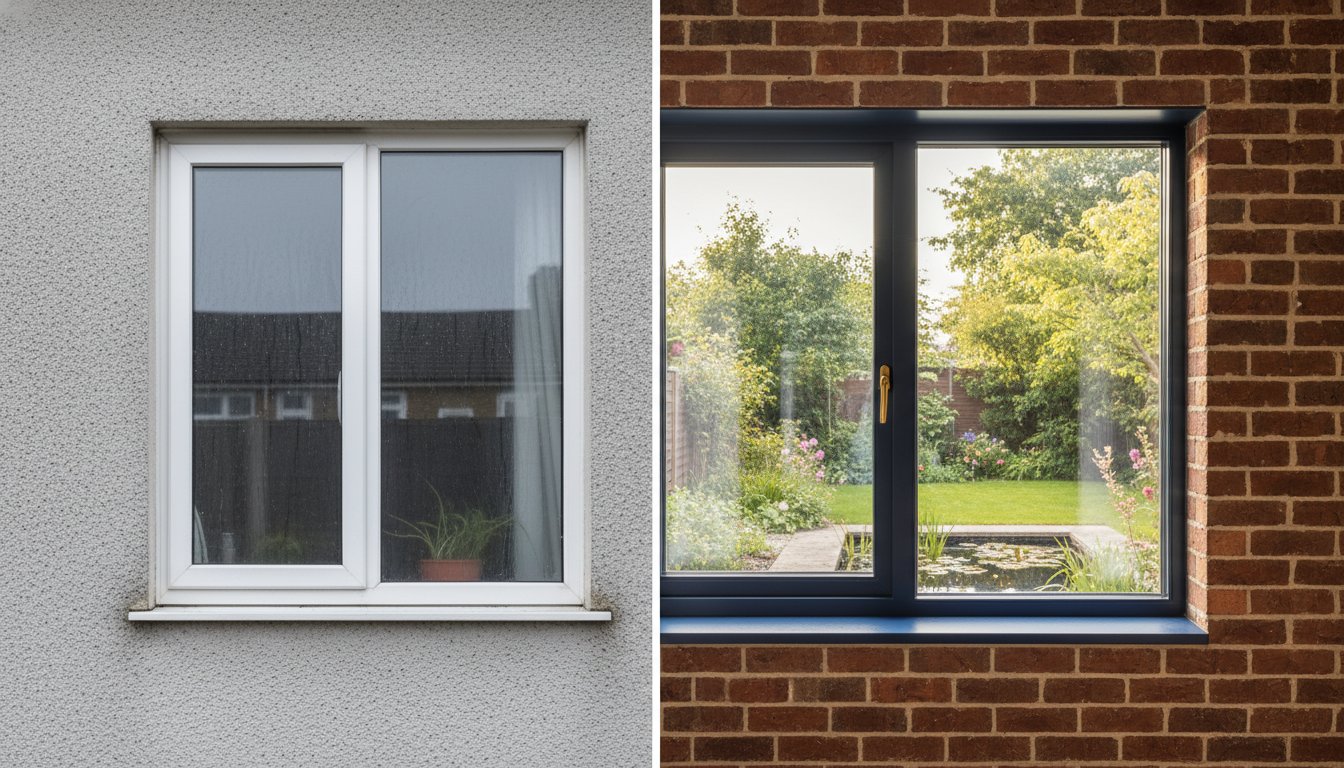
Aluminium is often dismissed as a cold material, a reputation inherited from the single-glazed frames of the 1970s. This is an outdated misconception. In the context of 2026 standards, asking what are the best windows for keeping heat in? leads directly to modern aluminium engineering. Today's profiles are no longer solid conductors; they are sophisticated assemblies designed to isolate external temperatures from your interior environment. If you are reviewing guidance on window energy efficiency, you will note that frame material is only as effective as the technology housed within it.
The primary innovation is the thermal break. By "breaking" the conductive path of the metal, manufacturers prevent heat from leaching out through the frame. Modern systems also utilise multi-chambered profiles. These internal cavities trap pockets of air, which act as a natural insulator to slow down convection. This allows homeowners to enjoy the slim sightlines and large glass expanses typical of high-end architecture without sacrificing thermal integrity.
Polyamide Thermal Breaks: The Secret to Warm Aluminium
Standard insulation is often insufficient for the rigorous demands of the British climate. High-performance architectural systems instead utilise polyamide thermal breaks. Polyamide is a glass-reinforced plastic with low thermal conductivity. It is inserted between the inner and outer sections of the aluminium profile, creating a structural bridge that resists the transfer of heat. Unlike older resin-filled breaks, polyamide expands and contracts at a similar rate to aluminium. This maintains the structural and thermal seal of the window over decades of seasonal temperature shifts.
Advanced Glass Technology: Low-E and Gas Fills
The glass unit itself must perform as a thermal mirror. Low-Emissivity (Low-E) coatings are essential for this, as they reflect long-wave infrared energy back into the room whilst allowing short-wave solar energy to enter. To meet the 2026 efficiency requirements, the space between panes is filled with inert gases. Argon is the industry standard, but Krypton is often used in thinner units to achieve superior U-values. Several key components work together here:
- Warm-Edge Spacer Bars: These replace traditional aluminium spacers to prevent the glass perimeter from becoming a cold bridge.
- Dual-Action Seals: These ensure the gas fill remains trapped and moisture is kept out of the unit.
- Reflective Coatings: These minimise heat loss during the night when external temperatures drop sharply.
Exploring high-performance aluminium windows is a logical step for those seeking to future-proof their property against rising energy costs. When you consider what are the best windows for keeping heat in?, the answer lies in this synergy of polyamide engineering and advanced glazing technology.
Double vs. Triple Glazing: Which is Best for Keeping Heat In?
Deciding between two or three panes is often the central dilemma when asking what are the best windows for keeping heat in?. Double glazing typically achieves a U-value around 1.2 W/m²K, which comfortably meets the 1.4 W/m²K requirement for existing dwellings. Upgrading to triple glazing pushes this performance further to approximately 0.8 W/m²K. This jump represents a significant reduction in heat transfer, aligning with the 2026 Future Homes Standard. However, the law of diminishing returns applies. Whilst the thermal improvement is measurable, the financial payback from energy savings alone may take years to realise for a standard semi-detached home.
Structural integrity is a critical consideration often overlooked in this debate. Triple glazing adds substantial weight to the window unit. For expansive Aluminium Sliding Doors, this extra mass requires heavy-duty rollers and reinforced frame profiles. It's a balance of physics and performance. Beyond heat, triple glazing offers superior acoustic insulation, capable of reducing external noise by up to 35 decibels. As noted in this Department of Energy guide on energy-efficient windows, glazing can account for up to 30% of residential heating energy use, making the choice between double and triple a pivotal decision for long-term efficiency.
When to Choose Triple Glazing
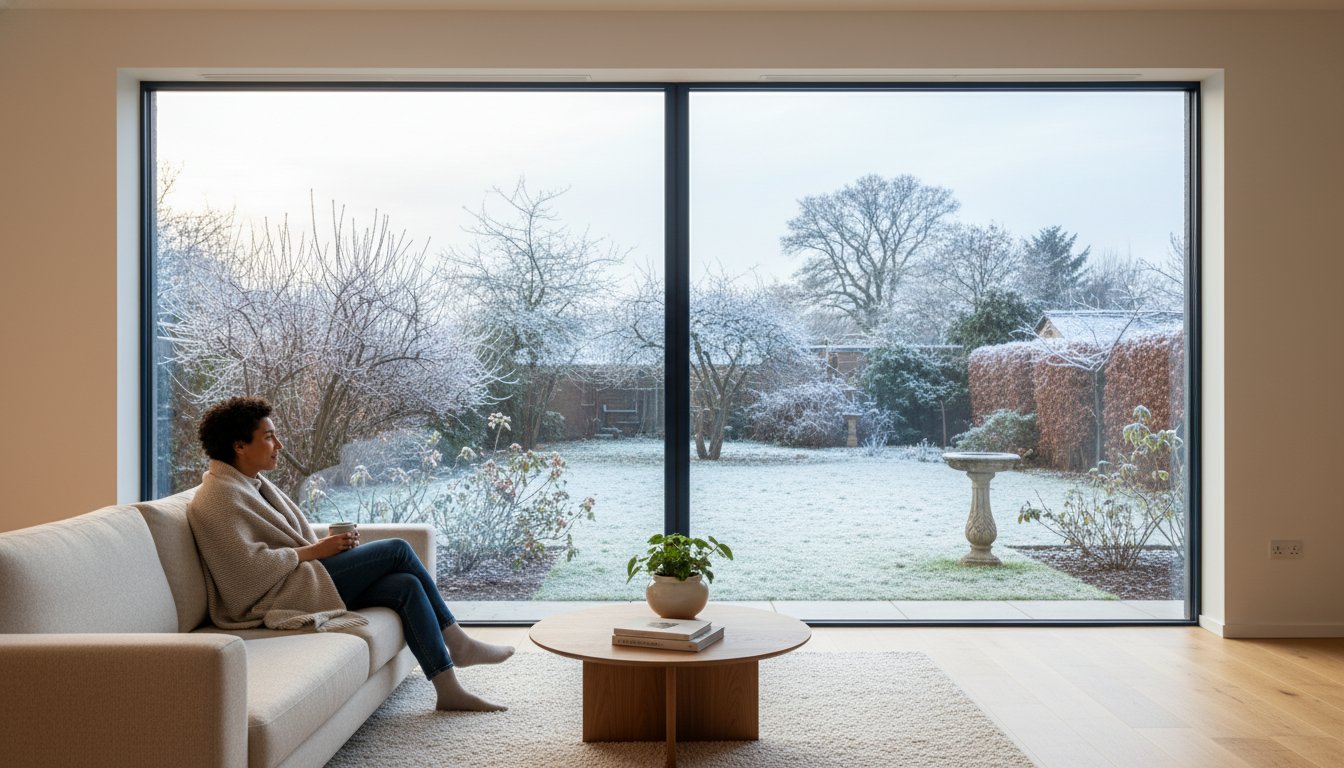
When evaluating what are the best windows for keeping heat in?, the decision often rests on your property's specific exposure level. North-facing rooms or properties in high-exposure coastal areas benefit most from the added thermal barrier. The primary advantage is often the "comfort factor". Large glass areas in double glazing can create a cold downdraught as internal air hits the cool surface. Triple glazing eliminates this effect, ensuring the area near the window remains as warm as the rest of the room. For those prioritising peak performance, our aluminium windows can be specified with high-performance triple glazed units.
The Efficiency of Modern Double Glazing
Don't dismiss double glazing as an inferior choice. A high-specification double glazed unit with Low-E coatings and argon gas often outperforms a budget triple glazed alternative. The gap width between panes is the deciding factor; a 16mm to 20mm cavity is the "sweet spot" for optimal insulation. If the gap is too narrow, heat travels through conduction; if it's too wide, convection currents can form within the unit.
| Glazing Type | Typical U-Value (W/m²K) | Primary Benefit |
|---|---|---|
| Single Glazing | 5.8 | None (Obsolete) |
| Standard Double Glazing | 2.8 | Basic Insulation |
| High-Spec Double Glazing | 1.2 | Cost-Effective Efficiency |
| High-Spec Triple Glazing | 0.8 | Maximum Thermal Comfort |
The Hidden Factor: Why Professional Installation is a Thermal Necessity
A high-specification window is only as effective as the seal around its perimeter. Technical data like U-values and WER ratings are measured in controlled laboratory environments; on-site reality is often different. If a frame is poorly positioned within the building's aperture, it can lead to "cold bridging." This occurs when the thermal break in the aluminium profile is bypassed by heat escaping through the surrounding masonry. When you consider what are the best windows for keeping heat in?, you must prioritise the methodology of the installation as much as the product itself. A failure in fitting can render even the most advanced triple-glazed unit redundant.
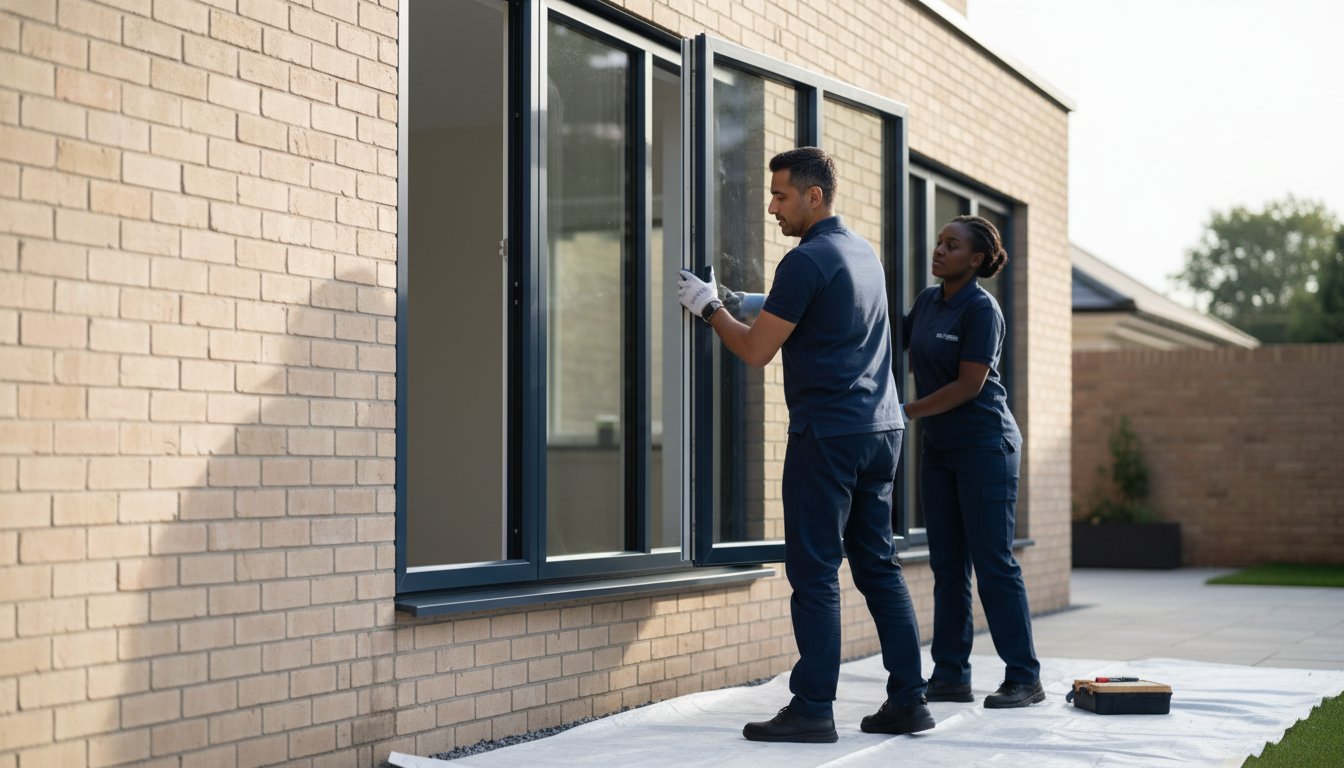
Precision is the antidote to thermal failure. To achieve the 2026 performance standards, every junction between the window and the wall must be airtight. We utilise a combination of expanding thermal foams, airtight tapes, and high-modulus architectural sealants to achieve this. These materials are not secondary additions; they are fundamental components of the thermal envelope. Our "White Glove Service" ensures that the technical specifications promised in the showroom are realised on-site through surgical fitting standards.
The Architectural Survey: Preventing Thermal Leaks
The path to a draught-free home begins long before the installers arrive. Laser-measured surveys are the only way to ensure a thermal seal that lasts. A millimetre-perfect survey allows the frame to be integrated precisely with the building's existing insulation layer. Budget or DIY measurements often result in oversized gaps that are filled with excessive sealant, creating a structural and thermal weak point. A professional survey identifies these risks early, ensuring the finished product is perfectly levelled and secure against the elements.
Precision Fitting and Aftercare
The difference between a standard fit and a technical architectural installation lies in the details. Thermal performance can degrade over time if frames aren't perfectly levelled, as this puts undue stress on the seals and hardware. Over years of seasonal expansion, a poorly fitted window will develop micro-gaps that allow heat to leach out. Precision fitting ensures the structural integrity of the aluminium windows remains uncompromised for decades. To ensure your property achieves these exacting standards, book a design consultation for a comprehensive technical assessment of your requirements.
Realising the full potential of your investment requires an uncompromising approach to quality. By aligning the technical survey with high-performance engineering, we bridge the gap between architectural vision and thermal reality. When asking what are the best windows for keeping heat in?, remember that the answer is always a combination of the right product and a professional, methodical installation.
Choosing the Best Windows for Your Home: A Final Checklist
Thermal efficiency is rarely the result of a single product feature. It is the outcome of what we call the "Golden Trio": high-performance frame engineering, advanced glazing technology, and surgical installation precision. When you are determining what are the best windows for keeping heat in?, your checklist must account for all three pillars. A failure in one area inevitably compromises the others. By 2026, the building regulations mandate a maximum U-value of 1.4 W/m²K for replacements, but a truly future-proofed home should aim for the 0.8 W/m²K standard currently reserved for new builds.
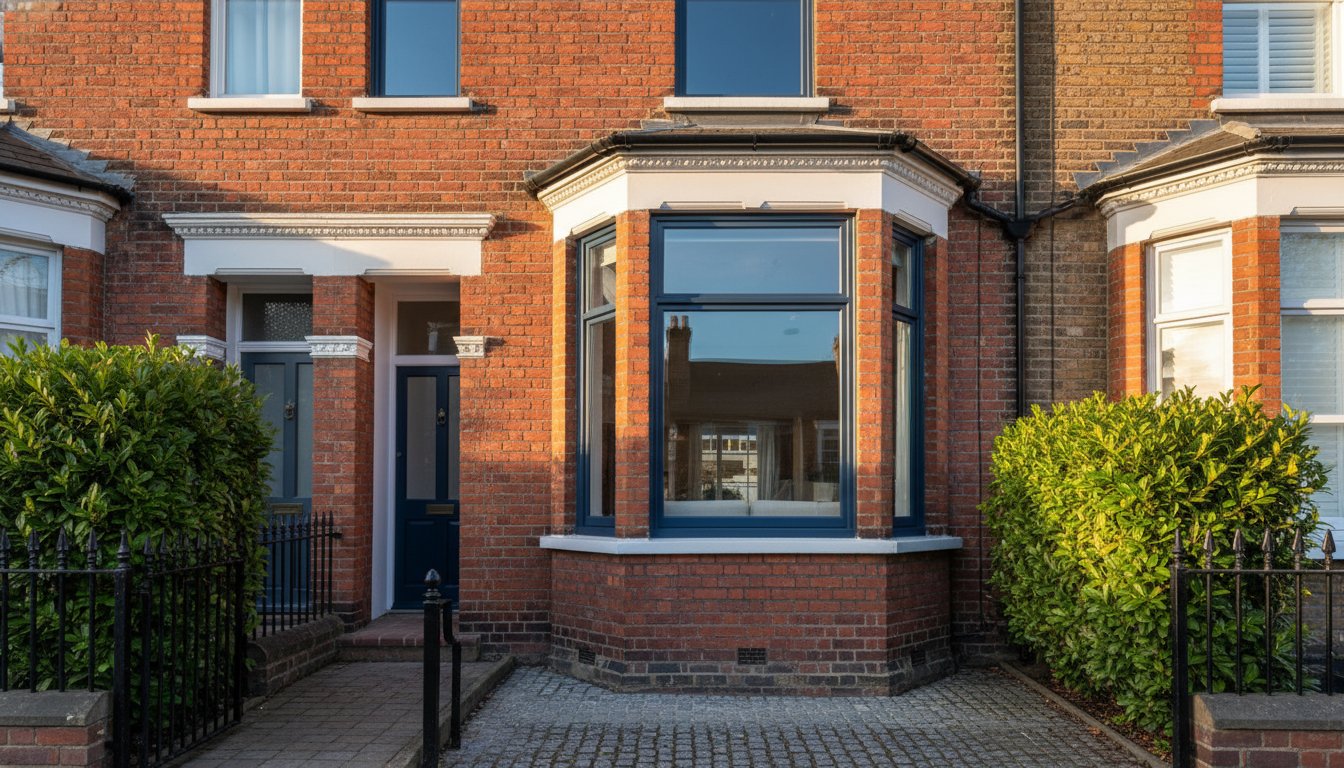
Achieving this level of performance does not require you to sacrifice the architectural character of your property. Modern aluminium systems allow for the seamless integration of heritage aesthetics with contemporary thermal requirements. Whether you are retrofitting a period cottage or finishing a modern self-build, the focus should remain on long-term value. Choosing a partner that manages the entire lifecycle, from the initial technical survey to the final "White Glove" installation, ensures that the thermal integrity of your home is never left to chance.
Bespoke Aluminium Solutions
Bespoke manufacturing is a technical necessity for heat retention. Mass-produced windows often rely on wider tolerances that lead to perimeter draughts. In contrast, custom-engineered aluminium windows are built to the exact millimetre of your aperture. This creates a tighter seal and maximises the effectiveness of the polyamide thermal breaks. For those with period properties, our Heritage French Doors and windows provide the classic steel-look aesthetic whilst delivering the thermal security required for the British winter.
Next Steps for a Warmer Home
Evaluating quotes requires a methodical approach. Do not be swayed by the lowest price; instead, scrutinise the technical specifications. Ensure the quoted U-values represent the whole-window performance, not just the centre-pane glass. A national supplier with local expertise provides the ideal balance of high-level quality standards and regional experience. This combination is essential for navigating the specific exposure levels of your geographic area. To begin your journey toward a draught-free, energy-efficient property, request a quote for a premium installation that answers what are the best windows for keeping heat in? for your specific home.
Precision is paramount. By prioritising technical excellence over budget shortcuts, you secure a home that remains warm, quiet, and efficient for decades to come. The 2026 standards are a baseline; your home deserves a solution that exceeds them.
Securing Your Home's Thermal Future
Securing your home's thermal efficiency requires a shift from viewing windows as simple fixtures to treating them as high-performance architectural components. We've explored how the synergy of polyamide thermal breaks, advanced gas-filled glazing, and surgical installation creates a barrier that far exceeds standard building regulations. When asking what are the best windows for keeping heat in?, the answer always returns to the precision of the engineering and the integrity of the fitting process.
As a family-run business, we provide transparent, expert advice to ensure you avoid common industry pitfalls. Our nationwide installation teams combine high-level quality with local precision, ensuring your specific geographic challenges are met with technical rigour. From the initial survey to our signature White Glove Service, we maintain absolute control over every detail of your project lifecycle. This methodical approach guarantees that your investment delivers lower energy bills and a draught-free living environment for decades.
Begin your journey to a warmer home; book a technical design consultation today.
Take the first step toward a more comfortable, future-proofed property.
Frequently Asked Questions
Do aluminium windows cause condensation and cold spots?
Modern aluminium windows do not cause condensation if they feature high-quality polyamide thermal breaks. Condensation occurs when warm, moist internal air meets a cold surface. By isolating the internal frame from external temperatures, these breaks keep the surface warm. Proper ventilation via trickle vents, which are now a legal requirement under Part F, also helps manage internal humidity effectively.
Is triple glazing actually worth the extra cost in the UK?
Triple glazing is an investment in long-term comfort and future-proofing rather than immediate financial return. Whilst it reduces heat loss significantly, its primary value lies in eliminating cold downdraughts in large glazed areas. If you are building to the 2026 Future Homes Standard, triple glazing is often the most practical path to achieving the required 0.8 U-value for new properties.
What is the minimum U-value required by UK building regulations in 2026?
The 2026 building regulations require a maximum U-value of 1.4 W/m²K for replacement windows in existing dwellings. If you are working on a new-build project, the standards are stricter, targeting a U-value of 0.8 W/m²K. These regulations are part of a broader government initiative to reduce CO2 emissions from UK homes by 31% compared to previous standards.
How do I know if my existing windows are losing too much heat?
You can identify heat loss by checking for persistent draughts around the frame or misting between the glass panes, which indicates a failed seal. If the internal glass surface feels icy to the touch during winter, it's a sign of poor thermal resistance. These common issues suggest that your current setup isn't amongst the best windows for keeping heat in effectively.
Can I install energy-efficient windows in a conservation area?
Yes, you can often install energy-efficient windows in conservation areas by using slim-profile heritage aluminium systems. These are designed to replicate the sightlines of traditional steel windows whilst providing modern thermal breaks. You should always consult your Local Planning Authority first, as requirements vary significantly between specific regional jurisdictions and individual property listings.
What is the difference between double glazing and secondary glazing for heat?
Double glazing replaces your existing window with a high-performance sealed unit containing inert gas. Secondary glazing involves adding a separate, independent pane inside your existing window. Whilst secondary glazing is a useful temporary fix for listed buildings where changes are restricted, full double or triple glazing offers a far superior reduction in the overall U-value.
How long do energy-efficient aluminium windows typically last?
High-quality aluminium windows typically last between 30 and 45 years. Unlike other materials, aluminium doesn't warp, rot, or degrade when exposed to the British weather. The powder-coated finish is highly resilient; the polyamide thermal breaks are engineered to expand at the same rate as the metal to maintain a permanent, airtight seal over several decades.
Does the colour of the window frame affect its thermal performance?
The colour of your window frame has no direct impact on its ability to keep heat inside your home. However, darker colours like anthracite grey absorb more solar energy, which can slightly increase the temperature of the frame during summer. This thermal movement is managed by the same internal breaks that prevent heat loss during the winter months.