What if you could preserve the architectural soul of your period home without inheriting the structural inefficiency and relentless maintenance of nineteenth-century timber? For many homeowners, the struggle to maintain historic character whilst battling draughty rooms and escalating energy costs feels like an exhausting compromise. When asking, "What are heritage style windows?" you are essentially seeking a sophisticated bridge between historical integrity and modern engineering. You deserve a solution that respects the past without compromising your future comfort or security.
In this guide, you will discover how heritage style windows combine the timeless elegance of traditional glazing with the superior thermal performance and security of modern aluminium. We will examine how slimline profiles replicate the delicate sightlines of original steel or timber, ensuring your property avoids the clumsy, chunky appearance of standard replacements. From navigating the complexities of conservation area requirements to the precision of a professional "White Glove" installation, we provide the technical clarity you need to invest in your home with absolute confidence.
Key Takeaways
- Discover how modern engineering replicates nineteenth-century aesthetics without the persistent maintenance burden of traditional timber.
- Define what are heritage style windows by exploring the technical details, such as putty-line frames and ultra-slim sightlines, that protect your property's architectural character.
- Gain insight into why high-grade aluminium provides superior thermal efficiency and security whilst remaining impervious to warping or rotting amongst the British elements.
- Navigate the complexities of planning permission and Article 4 Directions to ensure your renovation project aligns with local conservation standards.
- Identify the critical requirements of a "White Glove" installation to ensure the structural fabric of your period home is protected during the transition.
Defining Heritage Style Windows: Aesthetic Authenticity Meets Modern Performance
What are heritage style windows? These systems are modern glazing solutions engineered to replicate the precise proportions and distinctive features of traditional steel or timber windows. Whilst they are frequently referred to as 'Crittall-style' or 'industrial-style' windows due to their ultra-slim profiles and characteristic horizontal glazing bars, their primary purpose is to maintain the architectural integrity of nineteenth and twentieth-century properties. They represent a calculated fusion of historical geometry and advanced thermal break technology. By choosing these systems, homeowners can achieve a period-correct aesthetic without sacrificing the internal comfort provided by modern insulation.
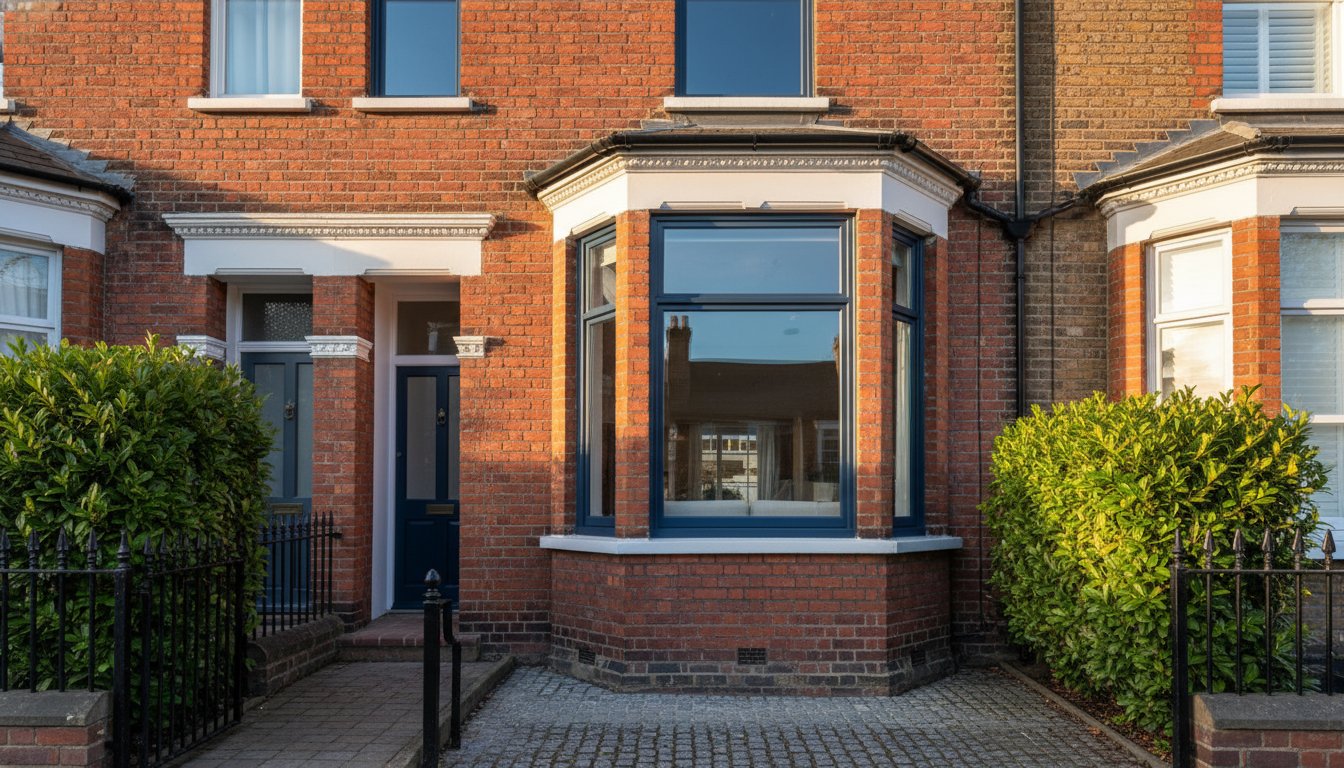
The appeal of the 'industrial' look continues to dominate high-end interior design. This aesthetic relies heavily on the use of slim black frames and divided glass panes to create an atmosphere of reclaimed elegance. Whether you are refurbishing a Victorian terrace or adding a glass-heavy extension to a contemporary home, the ability to mimic these historic details is essential. Heritage style windows offer this versatility, serving as a functional piece of art that frames the view whilst securing the building envelope.
Why the 'Heritage Look' is Trending in 2026
The current architectural shift towards 'quiet luxury' has placed heritage aesthetics at the forefront of British home renovation. Discerning homeowners are no longer satisfied with generic, bulky frames that detract from a property’s character. Instead, there is a growing demand for features that offer a sense of permanence and history. This trend is particularly evident in modern minimalist extensions, where heritage style windows provide a striking visual contrast against clean lines. In the 2026 UK property market, authentic period features remain a significant driver of valuation; replacing original windows with sympathetic, high-performance alternatives is a strategic investment in both style and equity.
The Evolution from Steel and Timber to Aluminium
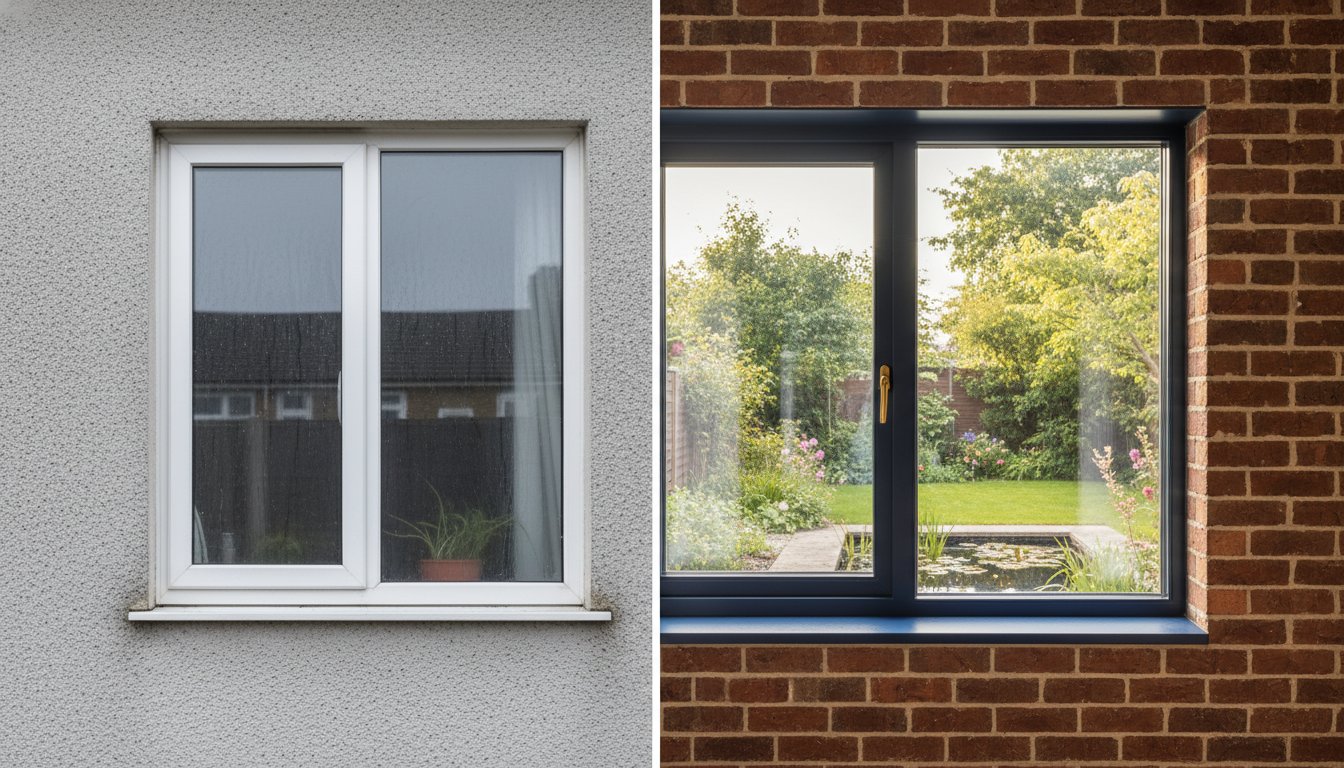
Historically, the Sash window and slim steel casement defined the British streetscape. However, original single-glazed steel units are no longer viable under current energy performance targets, often leading to excessive heat loss and condensation. Timber, whilst beautiful, requires a cycle of sanding and repainting that many modern lifestyles cannot accommodate. This has led to the rise of premium aluminium windows as the material of choice. Modern aluminium engineering allows for sightlines that are as thin as historic metal frames, yet it provides a 'fit and forget' solution. Unlike timber, it will not warp or swell, and unlike steel, it offers exceptional thermal breaks that keep heat exactly where it belongs.
The Architectural Anatomy of a Heritage Style Window
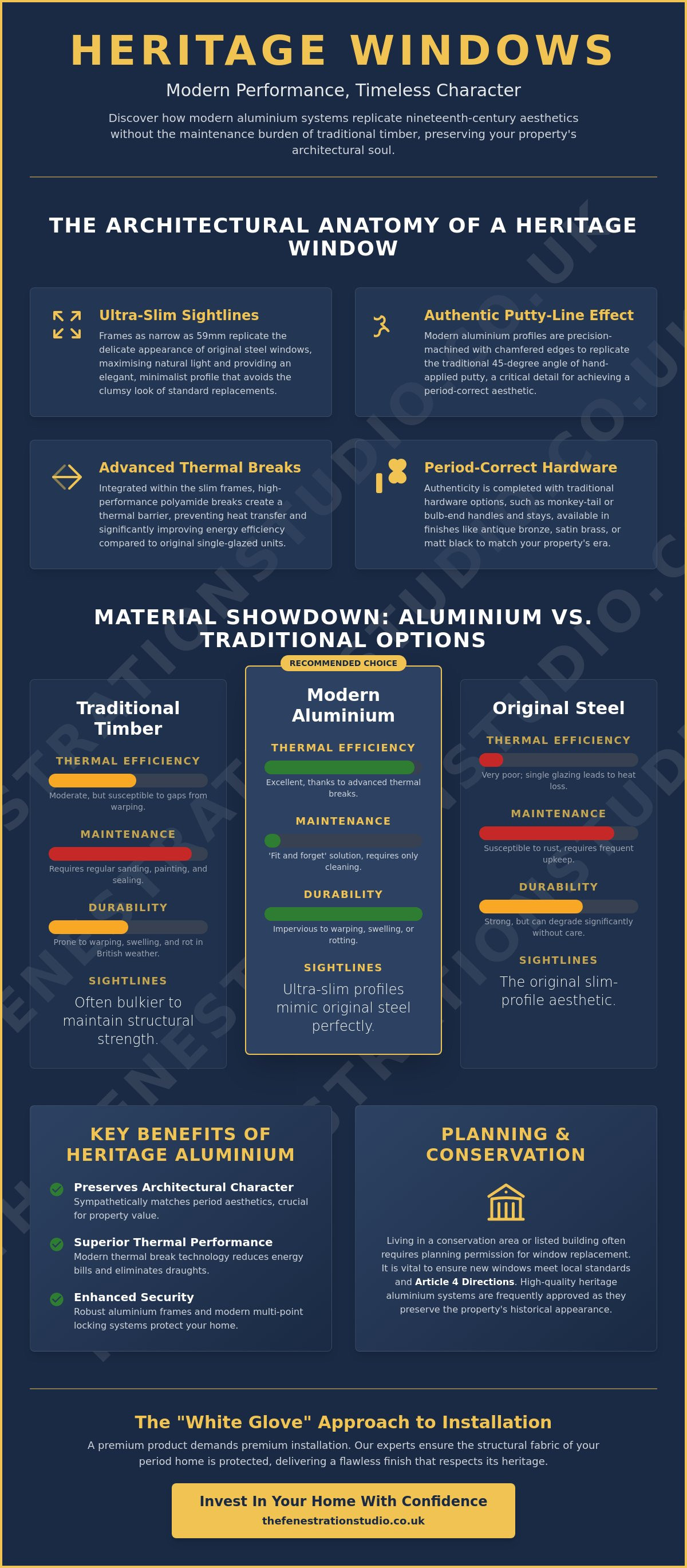
To truly understand what are heritage style windows, one must examine the intricate profile details that define their character. Central to this is the 'putty line' effect. Traditional windows were glazed using a hand-applied putty at a 45-degree angle; modern heritage aluminium replicates this through precision-machined chamfered edges. This subtle geometry is what differentiates a high-end heritage system from a standard flat-faced window. When paired with ultra-slim sightlines, often as narrow as 59mm, the result is a window that maximises natural light whilst remaining indistinguishable from historic steel frames from a distance.
Hardware serves as the finishing touch for any period-correct installation. Authentic heritage systems avoid generic modern handles in favour of traditional monkey-tail or bulb-end stays. These are available in finishes like antique bronze, satin brass, or matt black to complement the era of the property. Behind these aesthetic choices lies significant engineering. High-performance thermal breaks are integrated within the slim frames, ensuring that despite their delicate appearance, they meet the stringent thermal efficiency requirements of 2026 building regulations. You can explore these specific profile options in our range of aluminium windows to see how they might suit your project.
Whilst The Repair of Historic Wooden Windows provides extensive detail on the maintenance of original timber, modern homeowners often prefer the 'fit and forget' nature of aluminium. It offers the same visual weight without the vulnerability to the elements.
Astragal Bars vs. Internal Grilles
The visual success of a heritage window depends largely on how the glazing is divided. Authentic heritage windows utilise 'applied' astragal bars, which are fixed to both the interior and exterior of the glass unit. This creates a 3D texture and shadow line that mimics individual panes of glass. In contrast, internal grilles sit between the glass layers and often appear flat and artificial. Whether you require a classic Georgian grid or a minimalist Art Deco layout, the use of applied bars is essential for maintaining architectural credibility.
Colour and Texture: Beyond Basic Black
Modern aesthetics have moved beyond simple gloss finishes. Textured 'Sensations' coatings are now frequently specified to mimic the tactile feel of traditional cast iron or sand-blasted timber. Popular 2026 heritage colours include Anthracite, Lichen Green, and Deep Burgundy, offering a softer alternative to stark black. For those wishing to balance external requirements with internal decor, dual-colour options allow for a period-correct exterior whilst maintaining a neutral white or bespoke shade on the inside of the frame. This internal finish can be beautifully complemented by premium stone features, such as Granit Fensterbänke nach Maß, which provide a durable and luxurious touch to any window opening.
Aluminium vs. Traditional Timber: Why Modern Engineering Wins
Choosing between materials for a period property often feels like a conflict between historical accuracy and practical longevity. Whilst timber is frequently cited as the default choice for authenticity, modern engineering has shifted the balance. When homeowners ask, "What are heritage style windows?" they are increasingly discovering that aluminium offers a superior technical profile. Unlike wood, which is susceptible to the volatile British climate, aluminium remains structurally stable. It does not warp, rot, or swell amongst changing humidity levels, ensuring that your windows operate smoothly for decades without the risk of binding or sticking.
The performance gap is most evident in thermal efficiency and security. Modern aluminium windows utilise advanced thermal breaks to achieve significantly lower U-values than traditional single or double-glazed timber units. This translates to a warmer home and reduced energy expenditure. Security is another critical differentiator. High-strength aluminium profiles allow for the integration of sophisticated multi-point locking systems that are often difficult to fit into the slimmer sections of traditional wooden frames. Before commencing any replacement project, it is essential to consult the Planning Portal guidance on window replacement to ensure your material choice complies with local regulations.
The Cost of Ownership Over 25 Years
The initial investment in premium aluminium must be viewed through the lens of long-term value. Timber windows typically require professional repainting every five to seven years to prevent moisture ingress and rot. Over a quarter-century, these maintenance cycles represent a significant financial and time commitment. Aluminium’s powder-coated finish is designed to last forty years or more with nothing more than occasional cleaning. From an environmental perspective, aluminium is also a sustainable choice for 2026; it is infinitely recyclable, retaining its structural properties through every lifecycle.
Achieving the Timber Aesthetic with Aluminium
Modern manufacturing techniques have bridged the visual gap between metal and wood. When considering what are heritage style windows, the focus is often on the flush sash designs that mimic the clean joinery lines of traditional timber casements, ensuring the window sits level with the frame. For those seeking the ultimate authentic look, wood-grain foils and textured finishes provide a tactile quality that is indistinguishable from painted timber from the street. By matching the original proportions of your architecture exactly, these windows preserve the soul of the building whilst providing a maintenance-free future.
Navigating Conservation Areas and Planning Restrictions
Understanding the legal framework surrounding your property is vital before commissioning any architectural changes. For those asking, "What are heritage style windows?" in the context of planning, the answer often depends on your specific building designation. Grade I and Grade II listings protect the historic fabric of the building itself, requiring formal Listed Building Consent for almost any alteration. In contrast, living in a Conservation Area focuses on the preservation of the wider streetscape. Whilst many homeowners enjoy 'permitted development' rights, local authorities often implement Article 4 Directions. These directions remove specific rights, meaning you must obtain planning permission for window replacements that would otherwise be exempt.
Presenting aluminium heritage windows to a planning officer requires a focus on technical precision and sympathetic design. You must demonstrate that the replacement respects the original character of the building. A professional survey is indispensable for this process. It provides the detailed technical drawings and cross-sections that planners require to verify that sightlines and proportions remain consistent with the property's history. By providing this level of detail, you position yourself as a responsible homeowner committed to architectural integrity.
The 'Like-for-Like' Requirement
Planners often insist on a 'like-for-like' replacement, particularly regarding frame colour and glazing bar layouts. This is where high-grade aluminium excels. Unlike uPVC, which often features chunky and unconvincing profiles, slimline aluminium replicates the delicate appearance of original steel or timber. By matching the original bar configuration exactly, you maintain the architectural rhythm of the facade. Successful installations in sensitive architectural zones often hinge on this ability to provide a modern material that behaves visually like a historic one, satisfying the strict requirements of local conservation officers.
Working with The Fenestration Studio
We adopt a fundamentally consultative approach to every heritage project, acting as your technical partner throughout the lifecycle. Our team assists you in navigating local standards, ensuring that your heritage doors and windows align with specific regional requirements. The value of our "White Glove" surveying process cannot be overstated; it provides the rigorous data needed to prevent planning disputes before they arise. We ensure that every specification is handled with professional rigour, from the initial drawings to the final installation.
If you are planning a renovation within a sensitive area, book a design consultation to discuss your technical requirements with our architectural experts.
The White Glove Approach to Heritage Glazing Installation
Precision in installation is not merely a preference; it is a technical necessity for period properties. When considering what are heritage style windows, one must recognise that the final result depends entirely on the accuracy of the initial survey. Unlike standard replacements, heritage projects involve working with irregular apertures and sensitive structural fabrics that have settled over centuries. Our "White Glove" approach ensures that every measurement is captured with millimetre-perfect precision, preventing the structural stress often associated with forced fittings in older buildings. This meticulous preparation is what guarantees a draught-free finish and long-term operational reliability.
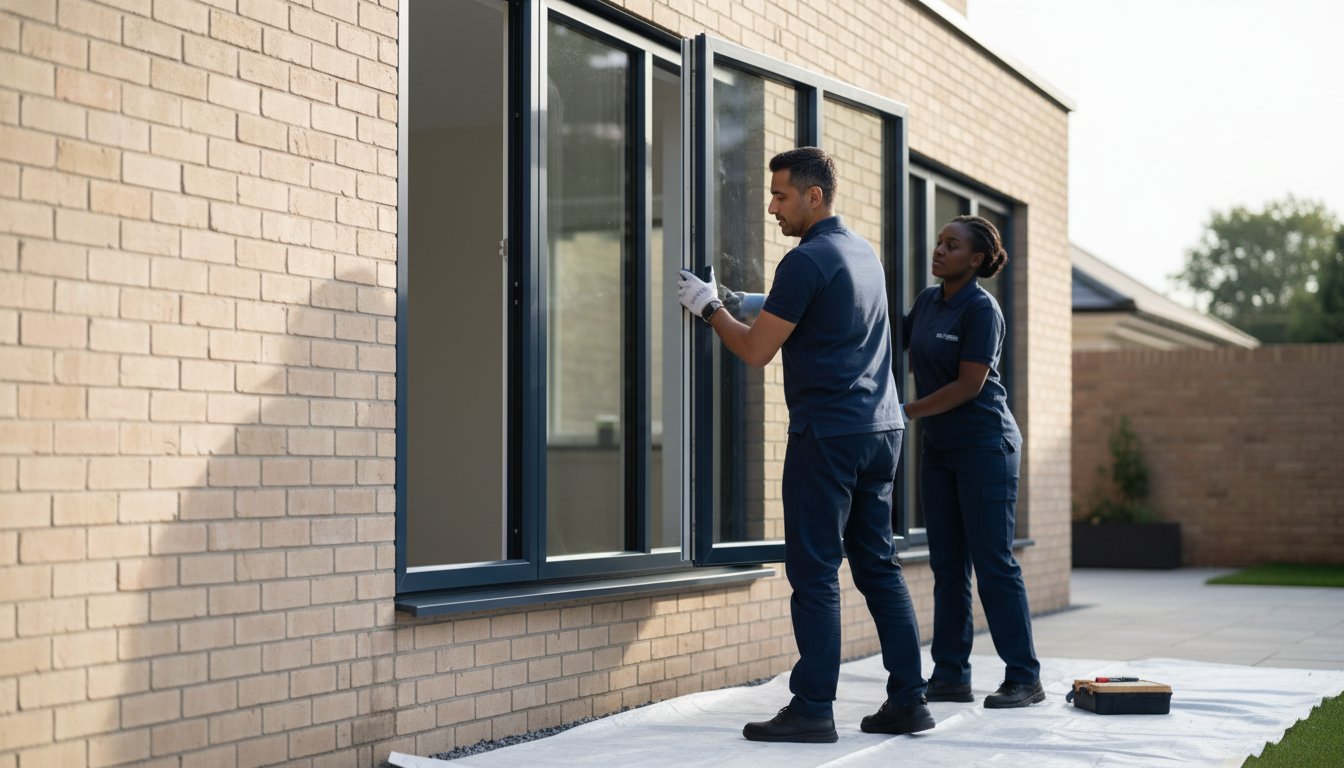
Protecting the architectural fabric of your home during the transition is our primary concern. The removal of original frames requires a specialist touch to avoid damaging delicate internal plasterwork or external masonry. Our installation teams are trained to treat your property with the utmost respect, ensuring that the transition from old to new is seamless and non-invasive. Once the installation is complete, expert aftercare becomes essential. We provide the technical guidance needed to maintain the performance of your premium glazing, ensuring the powder-coated finishes and hardware remain in peak condition amongst the changing British seasons.
From Consultation to Handover
The journey begins with a consultative design phase where we align your aesthetic vision with the architectural reality of your property. This is not a standard sales process; it is a technical partnership. Following this, a professional survey is conducted to capture the unique eccentricities of your window openings. This data allows us to manufacture bespoke units that fit perfectly first time. During the expert installation, we focus on minimising disruption to your daily life whilst maintaining a clean and organised site. The process concludes with a formal handover, ensuring every detail meets our uncompromising quality standards.
Why Precision Matters for Heritage Styles
The visual success of a project often hinges on the smallest details. Poorly executed installations frequently lead to 'chunky' visible frames that ruin the slimline heritage aesthetic you have worked hard to achieve. Beyond the visual impact, precision is vital for managing thermal bridges in older wall constructions. If a window is not correctly positioned within the structural opening, the thermal efficiency of the entire system can be compromised. Correct alignment ensures that your high-strength aluminium profiles deliver their promised U-values whilst remaining entirely secure.
Our nationwide network provides the perfect balance of local regional expertise and national quality standards. We understand the specific architectural nuances of different British locales, from Cotswold stone cottages to London townhouses. Ready to transform your property? Book a design consultation with our specialists today to begin your home's architectural evolution.
Securing the Architectural Future of Your Period Home
Investing in your property requires a balance between respecting historical geometry and embracing modern engineering. When you understand what are heritage style windows?, it becomes clear that you can move away from the persistent maintenance of timber and the thermal inefficiency of original steel. You've seen how slimline aluminium profiles and authentic putty-line details provide a sympathetic replacement that satisfies rigorous planning requirements whilst ensuring your home remains secure and energy efficient.
The success of your renovation project relies on technical precision and professional rigour. Our approach combines expert technical surveying with a nationwide network of local specialist teams to ensure your project is managed with absolute control. We provide a White Glove Service designed for a stress-free experience, protecting the fabric of your building from the initial measurement to the final handover. You don't have to compromise on character to achieve twenty-first-century performance.
Request a technical quote for your heritage project and take the first step toward a more comfortable, period-perfect home.
Frequently Asked Questions
Do heritage style windows require planning permission?
Planning permission is often required if your property is subject to an Article 4 Direction or is a listed building. Whilst standard window replacements often fall under permitted development, heritage projects in sensitive zones require formal approval to ensure architectural consistency. You should always consult your local planning authority to verify the specific restrictions governing your postcode before commencing work.
Can I get heritage windows in colours other than black?
You can specify heritage systems in a vast array of RAL colours and textured finishes beyond the classic black. Whilst matt black remains a popular choice for the industrial look, 2026 trends include softer tones like Anthracite Grey, Lichen Green, and Deep Burgundy. Dual-colour options are also available, allowing you to match your interior decor whilst keeping the exterior period-correct.
Are aluminium heritage windows as warm as timber?
Modern aluminium heritage windows frequently outperform traditional timber in thermal efficiency. By incorporating advanced thermal break technology within the slim frames, these systems achieve exceptionally low U-values that exceed current building regulations. This ensures your home remains warm whilst reducing energy loss; a significant improvement over original single-glazed timber or steel units.
What is the difference between heritage and standard aluminium windows?
The primary difference lies in the profile geometry and sightline width. When asking, "What are heritage style windows?" the answer focuses on the 45-degree 'putty line' chamfer and ultra-slim frames that mimic historic steel. Standard aluminium windows typically feature flatter, wider profiles that lack the intricate architectural detailing required for period-correct restorations.
Can heritage style windows be used in new-build properties?
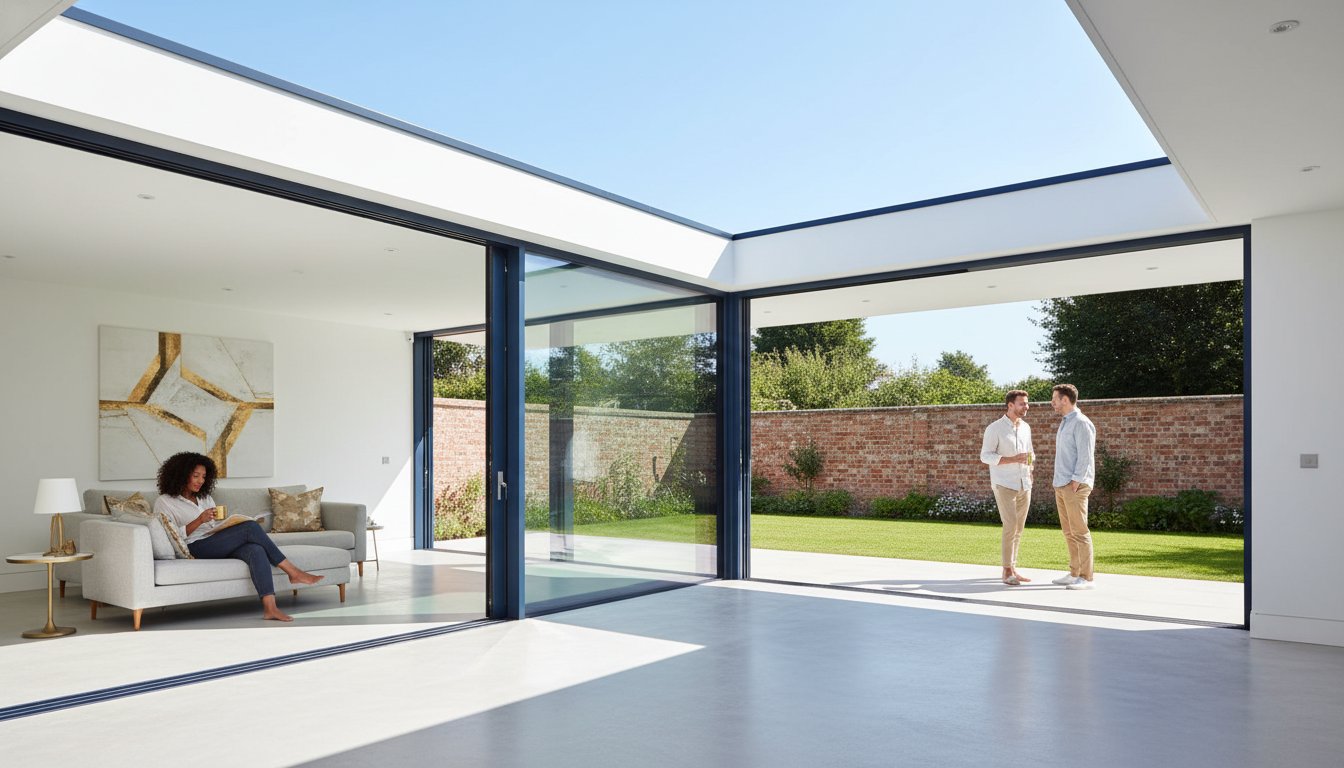
Heritage style windows are an excellent choice for new-build properties, particularly those following industrial or minimalist design themes. They provide a striking architectural feature that adds instant character to a modern structure. Their structural integrity and high performance make them suitable for large-scale glazing projects where traditional timber might be impractical or too high-maintenance.
How do I clean and maintain heritage style aluminium windows?
Maintenance for aluminium heritage systems is minimal, requiring only occasional cleaning with warm, soapy water. Unlike timber, these powder-coated frames do not need sanding, staining, or repainting to remain protected amongst the elements. It's recommended to clean the external surfaces every few months to remove environmental pollutants and keep the hardware moving smoothly with a light lubricant.
Are heritage windows more expensive than standard casement windows?
Heritage windows typically represent a higher investment than standard casement windows due to the complexity of their profiles. The inclusion of applied astragal bars and specialised 'putty line' machining adds to the manufacturing precision required. However, the long-term value is significantly higher when you consider the lack of maintenance costs and the positive impact on property valuation.
What kind of handles and hardware are available for heritage windows?
A wide variety of period-correct hardware is available, including traditional monkey-tail handles and bulb-end stays. These are finished in authentic materials such as antique bronze, satin brass, or matt black to complement the era of your building. Every hardware choice is designed to integrate seamlessly with modern multi-point locking systems for uncompromising security.