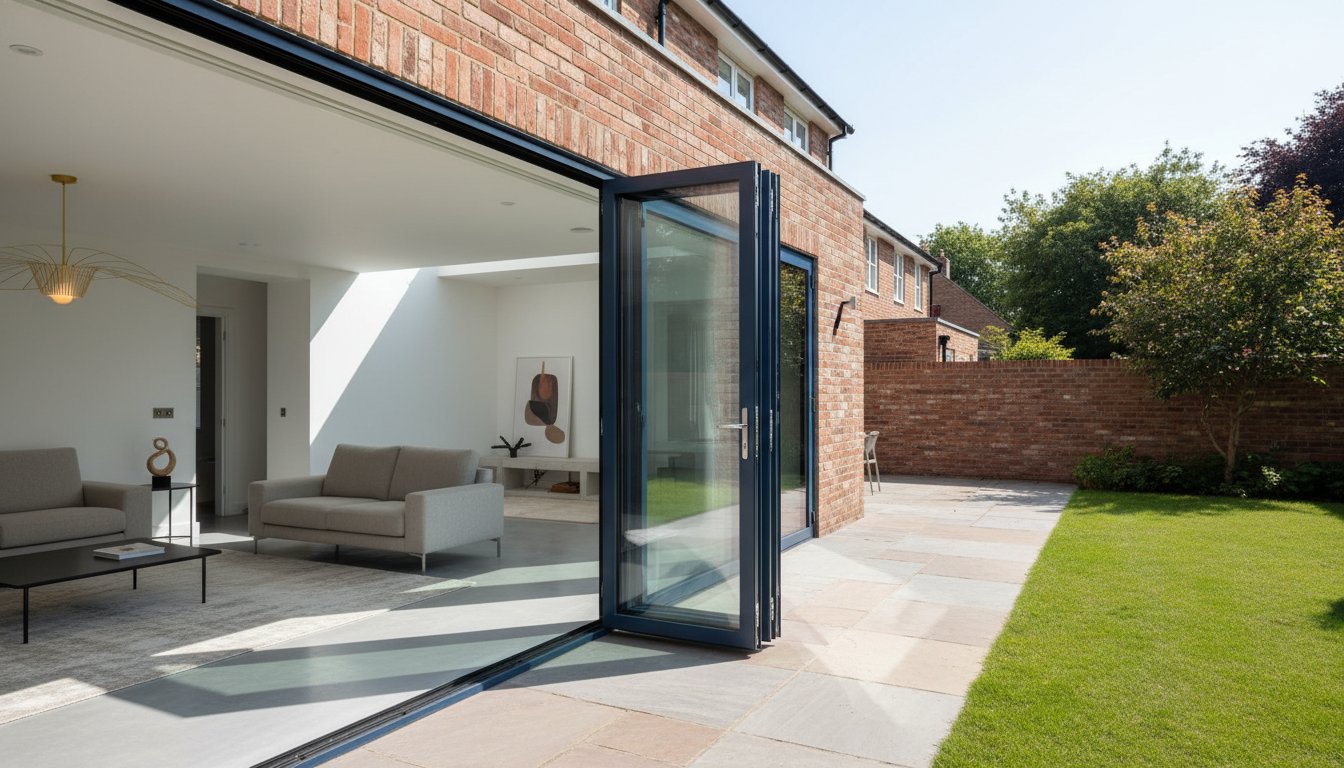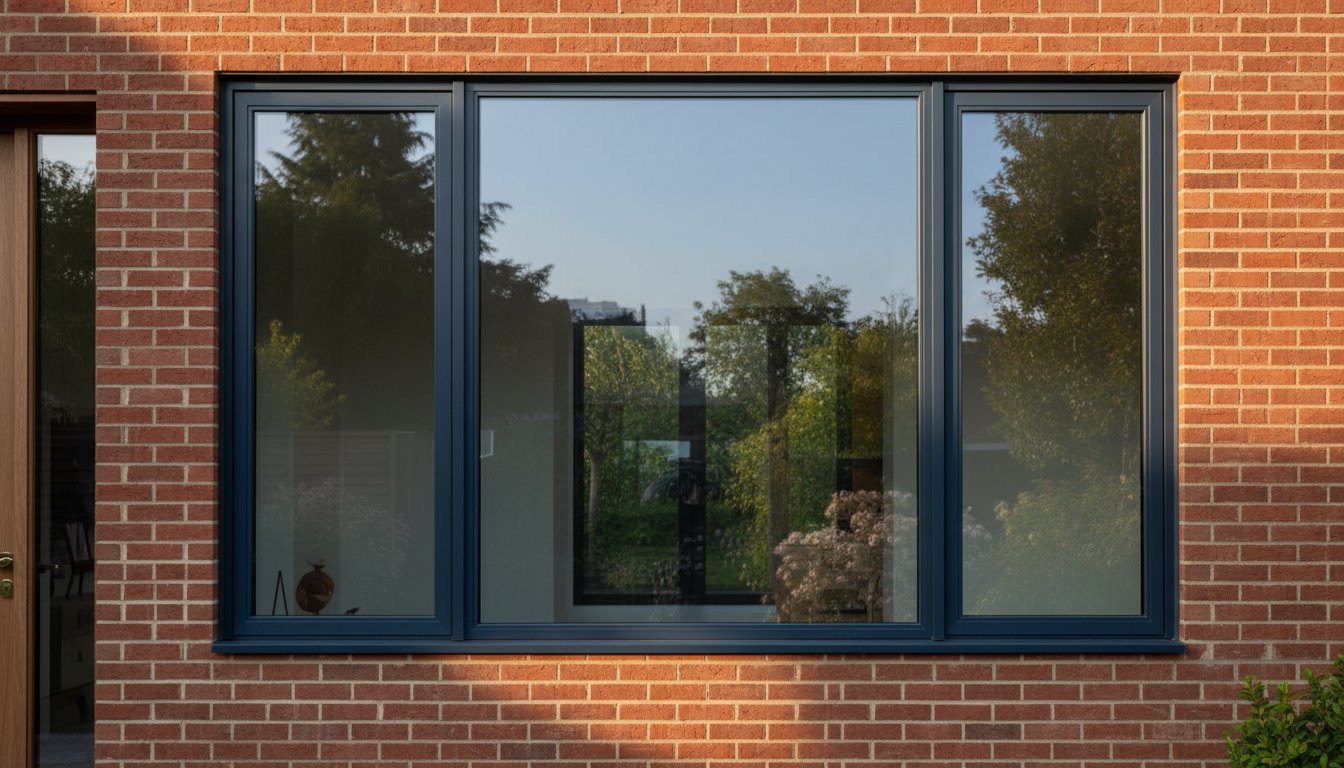
The most expensive architectural investment isn't the one with the highest initial price; it's the one that requires replacement after just ten years. Many homeowners find themselves trapped in a cycle of failing seals and warping frames because they prioritised short-term savings over engineering integrity. When you ask, "how long do aluminium windows last?", you aren't just looking for a number. You're seeking the security of a 45-year legacy that remains as thermally efficient and aesthetically sharp as the day it was fitted.
We understand the anxiety that comes with selecting premium glazing, especially when poor installation or inferior powder coatings can compromise your home's protective envelope. This guide reveals the technical precision behind modern aluminium longevity, from metallurgical grades to the stringent 2026 Building Regulations. You'll discover how specific engineering secrets and professional installation ensure your window systems endure for half a century whilst maintaining the slimline aesthetics your project demands.
Key Takeaways
- Understand why premium aluminium windows offer a 45-year service life, outlasting uPVC alternatives by nearly double the duration.
- Discover the answer to "how long do aluminium windows last?" by exploring the science of architectural-grade alloys and indestructible polyester powder coatings.
- Learn how millimetre-perfect technical surveys and professional installation prevent frame stress to protect your long-term investment.
- Master simple maintenance routines, including hardware lubrication and PPC cleaning, to ensure your systems operate smoothly for decades.
- Identify how to future-proof your property by matching high-performance profiles with the latest 2026 thermal efficiency standards.
The 45-Year Benchmark: Understanding Aluminium Window Lifespan
The decision to invest in premium glazing often hinges on a single, critical question: how long do aluminium windows last? In the UK residential market, the 45-year benchmark has become the gold standard for high-performance systems. Unlike budget alternatives that degrade within a decade, architectural-grade aluminium is engineered for a service life that spans generations. This longevity isn't just a marketing claim; it's a direct result of the material's inherent structural stability and advanced finishing techniques. When you choose a high-end system, you're investing in a product designed to remain functional and aesthetically sharp well into the mid-21st century.
Whilst many materials struggle under the weight of time, aluminium remains remarkably stoic. According to industry data and common architectural standards, modern frames typically achieve a life span of 25–50 years, with premium systems frequently exceeding the half-century mark. This durability makes them a superior choice for homeowners looking to avoid the disruptive cycle of frequent replacements. It's a level of performance that provides both financial security and peace of mind.
Aluminium vs uPVC and Timber: The Durability Gap
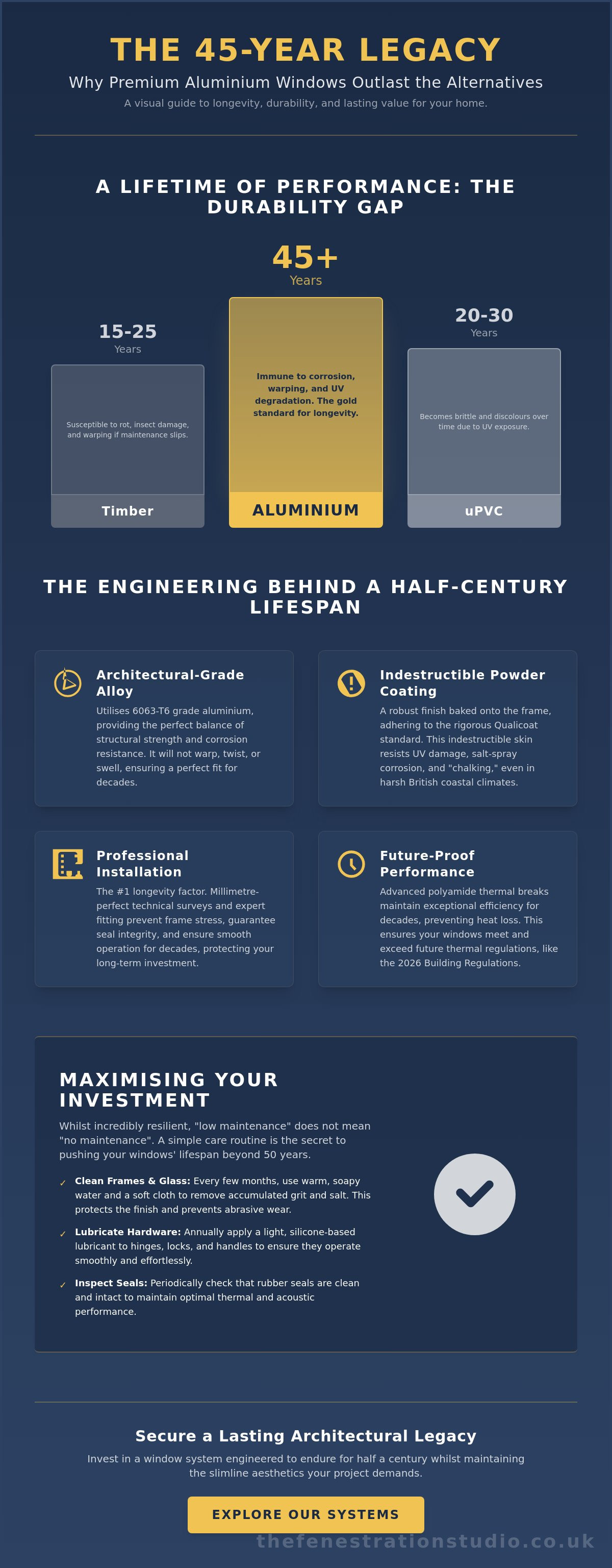
The durability gap between materials is stark. uPVC windows often fail after 20 to 30 years as the plastic becomes brittle or discolours under UV exposure. Timber, whilst beautiful, is susceptible to rot and insect damage, frequently requiring replacement after 15 to 25 years if maintenance slips. Aluminium is immune to these biological threats. It doesn't warp, twist, or swell. Because the metal doesn't expand and contract at the same aggressive rate as plastic, the internal seals remain intact, preserving the thermal efficiency of your aluminium windows for decades without the risk of yellowing or structural failure.
The Impact of the British Climate on Longevity
Our coastal winds and persistent rain demand a frame that won't corrode. Aluminium naturally forms a protective oxide layer that shields the core metal from the elements. When combined with a high-quality polyester powder coating, the frames become virtually impervious to UV damage and salt-spray corrosion. This environmental resilience ensures that the sleek, architectural aesthetics don't fade or peel, even in the most exposed British locations. You aren't just buying a window; you're securing a permanent architectural feature that ignores the weather.
It's vital to clarify the "maintenance-free" myth. Whilst aluminium is incredibly resilient, low maintenance doesn't mean no maintenance. In a British climate, grit and salt can accumulate on the surface. A simple routine of cleaning the frames with soapy water every few months preserves the powder-coated finish and prevents abrasive wear on the moving parts. This minimal effort is the secret to pushing a window's lifespan from the standard 40 years toward the 50-year mark and beyond.
The Science of Durability: Alloys, Coatings, and Thermal Breaks
The engineering behind a premium window system is far more complex than simple metal fabrication. When assessing how long do aluminium windows last, the answer lies in the specific grade of the alloy and the chemical integrity of its finish. High-end residential systems utilize architectural-grade aluminium, typically 6063-T6, which offers the perfect balance of structural strength and corrosion resistance. This is not the recycled, inconsistent material found in budget alternatives; it is a refined substrate designed to hold its shape and finish for half a century without degrading.
The finish itself is a product of advanced electro-static science. Polyester Powder Coating (PPC) involves charging the aluminium profiles and spraying them with a dry powder that is then "baked" in an oven to create a hard, indestructible skin. For properties in coastal regions or high-pollution urban centres, we specify marine-grade coatings. These involve a more rigorous pre-treatment process and a thicker micron application to ensure the salt-heavy British air cannot penetrate the finish. If you are planning a project in a demanding environment, you can explore our architectural systems to see how these specifications protect your property.
Powder Coating Quality and Longevity
Longevity is guaranteed by adherence to the Qualicoat standard, an international benchmark for architectural coatings. In the past, darker colours were prone to "chalking," where the sun's UV rays would break down the pigments into a white, powdery residue. Modern 2026-standard coatings have eliminated this issue through superior UV-stable resins. These finishes provide exceptional scratch and impact resistance, ensuring the frames survive the rigours of a busy household whilst maintaining their deep, matte aesthetic without fading or peeling.
Thermal Efficiency as a Longevity Factor
A window's lifespan is also tied to its internal components, specifically the thermal break. In 2026, the evolution of polyamide thermal breaks has reached a peak of efficiency. These high-strength plastic barriers separate the inner and outer aluminium profiles to prevent the "cold bridge" effect. By stopping heat transfer, these breaks prevent internal condensation from forming on the frame. This protects your internal plasterwork and prevents the moisture-induced stress that can lead to seal failure in inferior products.
Modern thermal breaks do more than just lower your energy bills to meet Part L requirements. They provide additional structural rigidity to the overall profile. This ensures that even ultra-slim aluminium windows remain perfectly aligned within the structural opening. When a frame remains square and true, the hardware operates with less friction, extending the life of every hinge and lock in the system.
Why Professional Installation is the #1 Longevity Factor
Even the most advanced 6063-T6 alloy cannot compensate for a poor fitting. When homeowners ask how long do aluminium windows last, they often overlook the fact that the installation environment dictates the hardware's ultimate survival. A millimetre-perfect survey ensures the frame sits neutrally within the structural opening, preventing the torsion and stress that cause seals to fail prematurely. If a frame is forced into a space that isn't perfectly square, the resulting distortion places constant pressure on the mitred corners, eventually compromising the window's weather-tightness.
Proper water management is equally critical to the system's endurance. Expert installers configure drainage paths to ensure that persistent British rain is channelled away from the profile rather than allowing it to pool within the rebate. Stagnant water is the silent enemy of longevity. Even with high-performance coatings, constant immersion can eventually lead to sub-surface corrosion. Our "White Glove" approach focuses on the microscopic level; expert handling during transit and fitting prevents the subtle micro-scratches that act as entry points for oxidation. By maintaining the integrity of the polyester powder coating from the factory to the final fix, we ensure the protective skin remains unbroken for decades.
The Risks of Sub-Standard Fitting
Improper fixing methods often lead to frame distortion, which manifests as difficult operation and "snagging" when opening or closing the vents. This friction doesn't just annoy the user; it accelerates the wear on stainless steel hinges and multi-point locking mechanisms. Poorly sealed perimeters also allow air infiltration, which introduces moisture to the internal hardware and can lead to premature component failure. Furthermore, many premium manufacturers will void their long-term guarantees if the system isn't fitted by a certified professional. To protect your investment, you should request a technical quote from a specialist who understands these structural nuances.
The Role of Professional Surveying
A comprehensive survey goes beyond simple measurements to include a full structural load assessment. This ensures that the chosen aluminium windows can adequately support their own weight and withstand the specific wind loads of your property’s elevation. For coastal or highly exposed sites, the technical specification must be adapted to include enhanced fixings and specific drainage caps. A Professional Survey acts as the definitive technical blueprint that translates architectural intent into a guaranteed 50-year lifespan. This methodical approach identifies site-specific risks before a single profile is cut, ensuring the final installation is as robust as the material itself.
Maximising Your Investment: Maintenance and Care
The structural endurance of a frame is only half the story. When assessing how long do aluminium windows last, we must distinguish between the metallurgical integrity of the profile and the operational life of the moving components. Whilst the aluminium itself is functionally permanent, the auxiliary systems—hinges, gaskets, and locking mechanisms—require periodic attention to match the frame's 45-year potential. Neglecting these small details is often what leads to premature failure, not the degradation of the metal itself. This consultative approach to maintenance ensures your investment remains secure and functional for the long term.
Routine cleaning is the most effective way to preserve the polyester powder-coated finish. A simple solution of warm soapy water is sufficient to remove the atmospheric salts and urban pollutants that can become abrasive over time. During this process, it is essential to inspect the internal "weep holes" or drainage channels. If these become blocked with debris, water can pool against the internal seals, leading to the very moisture stress we aim to avoid. Keeping these paths clear allows the system to manage the British weather exactly as the engineers intended.
The Lifespan of Moving Parts vs. The Frame
There is a technical distinction between the frame and its hardware. High-performance stainless steel friction stays and multi-point locks are designed for thousands of cycles, yet they may require refreshing every 15 to 20 years depending on usage. The inherent modularity of aluminium windows is a significant advantage here. Unlike other materials, these systems allow for the straightforward replacement of handles, locks, and even gaskets without disturbing the structural frame or the surrounding masonry. This modularity also extends to the glazing; as thermal technology advances, you can swap glass units whilst retaining your original, high-grade frames.
A Recommended Maintenance Schedule
We recommend a bi-annual inspection to coincide with the changing seasons. In spring and autumn, check that the rubber gaskets remain supple and haven't pulled away at the corners. For inland properties, a thorough clean every six months is standard, whereas coastal homes benefit from a quarterly routine to combat salt crystallisation. A single 15 minutes of care per year can add a decade to window life. This proactive approach ensures that the hardware operates with the same precision as the day it was installed, preventing the mechanical strain that leads to component failure. If you would like to discuss a long-term glazing strategy for your property, you can book a design consultation with our technical team.
Future-Proofing Your Home with The Fenestration Studio
The longevity of your glazing is a direct reflection of the expertise behind its technical specification. At The Fenestration Studio, we don't just sell products; we provide a structured framework for architectural excellence. When you consider how long do aluminium windows last, you're looking for a partner who understands that the answer is found in the precision of the install and the metallurgical integrity of the alloy. Our White Glove Service manages every technical nuance from the initial survey to dedicated aftercare. This ensures that the quiet confidence of our premium systems is matched by a stress-free experience for the homeowner. Precision is our priority.
We curate our portfolio from the UK's most respected architectural systems to ensure every project meets our uncompromising standards. Being a family-run business allows us to provide honest, transparent advice focused on the entire lifecycle of your project. We operate with a dual identity, combining a strong regional presence with the rigorous standards expected by the national fenestration industry. This methodical approach guarantees that whether you're in a coastal cottage or a modern urban centre, your installation is handled with professional rigour. We don't rely on aggressive sales tactics; we rely on results.
Selecting the Right Profile for Your Project
Choosing between our standard aluminium windows and our specialised heritage style systems requires a balance of aesthetic intent and structural requirement. Whilst our heritage profiles provide the slimline sightlines necessary for traditional properties, they don't compromise on the 45-year durability expected of modern engineering. Our consultative design process identifies the specific environmental stresses of your site. We ensure your windows don't just look the part but are specified to resist the unique weather patterns of your specific location. Every detail is handled with professional rigor.
Your Journey to a 50-Year Window Solution
Understanding the return on investment for aluminium requires a long-term perspective. Whilst the initial cost reflects the premium nature of the materials, the 45-year lifespan provides a significantly lower total cost of ownership compared to budget plastics. We provide a diagnostic approach to your project, identifying potential pitfalls before they become expensive errors. This journey begins with a professional design consultation where we map out your technical needs and aesthetic goals. If you're ready to secure the future of your property with expert guidance, you can book a design consultation to start your project with a team that prioritises precision over speed.
Securing Your Property's Architectural Future
Securing a half-century of architectural performance requires more than just high-grade materials; it demands a synergy between advanced metallurgy and technical installation. We've explored how architectural-grade alloys and 2026-standard thermal breaks provide the foundation for a 45 to 50 year expected service life. When you ask, "how long do aluminium windows last?", the answer is ultimately defined by the precision of the initial survey and the rigour of the fitting process.
Our White Glove Service ensures that every detail, from marine-grade coatings to drainage configuration, is managed with professional integrity. By combining national UK installation expertise with a consultative, regional focus, we protect your investment against the common pitfalls of the industry. You don't have to settle for short-term solutions when a permanent architectural feature is within reach.
Take the first step toward a lifetime of thermal efficiency and slimline aesthetics. Request a bespoke quote for your premium aluminium project and experience the reassurance of working with a knowledgeable partner. We look forward to bringing your vision to life with the precision your home deserves.
Expert Answers to Common Longevity Questions
Do aluminium windows rust or corrode over time?
Aluminium is naturally resistant to the oxidation that causes traditional rust in iron or steel. When exposed to the elements, the metal forms its own protective oxide layer that shields the core substrate from environmental degradation. Premium polyester powder coatings provide a secondary, indestructible barrier that prevents surface pitting or bubbling. This chemical stability makes them exceptionally durable in the damp British climate, ensuring the frames remain structurally sound for decades.
How does the lifespan of aluminium compare to uPVC in 2026?
The longevity gap between materials remains significant in 2026. Aluminium systems are engineered for a 45 to 50 year service life, whereas uPVC typically requires replacement after 20 to 30 years as the plastic becomes brittle. When asking how long do aluminium windows last compared to plastic alternatives, the metal profiles offer nearly double the duration. This makes aluminium a superior long-term investment for property value and structural integrity.
Will the colour of my aluminium windows fade in the sun?
Modern powder coatings are formulated with UV-stable resins that prevent the "chalking" or fading common in older glazing systems. Adherence to the Qualicoat standard ensures that even deep shades like Anthracite Grey or black retain their pigment for decades. These finishes are chemically bonded to the metal under high heat. This process creates a vibrant, matte aesthetic that resists the bleaching effects of direct sunlight and maintains its original depth.
Can you replace the glass in aluminium windows without replacing the frames?
The modular design of premium aluminium profiles allows for straightforward glass replacement without disturbing the structural frame. Whilst the aluminium itself can endure for half a century, the insulated glass units (IGUs) may lose their seal after 20 to 25 years. You can easily upgrade to higher performance glazing or replace damaged panes whilst retaining your original frames. This flexibility is a key advantage of choosing a high-end architectural system over budget alternatives.
Do aluminium windows require special cleaning products?
Specialised chemicals are not necessary for maintaining the finish of your windows. A simple solution of warm, soapy water and a non-abrasive cloth is the most effective method to remove surface pollutants and grit. You must avoid solvent-based cleaners or abrasive pads, as these can microscopically scratch the powder coating. This basic routine, performed twice a year, is sufficient to keep the profiles looking pristine for their entire 45-year lifespan.
Are aluminium windows suitable for coastal properties in the UK?
Aluminium is the preferred choice for coastal elevations due to its inherent resilience against salt-spray corrosion. For properties in exposed maritime locations, we specify a marine-grade powder coating with a thicker micron application to provide enhanced protection. This specific finish ensures the metal remains impervious to the aggressive coastal air. It prevents the structural degradation that often affects timber or uPVC frames in seaside environments.
How often should I lubricate the hinges and locks on my aluminium windows?
We recommend lubricating all moving parts once a year to ensure the hardware operates with precision. A light application of silicone spray or lithium grease on hinges, locks, and friction stays prevents the mechanical wear that leads to component failure. This simple task reduces friction on the stainless steel components and protects the system's functionality. Consistent lubrication is a vital factor in ensuring the windows reach their full 50-year potential.
What is the typical warranty period for high-end aluminium glazing?
High-end systems typically offer a 10 to 25 year warranty on the structural integrity of the frames and the powder-coated finish. It's common for different components to have varying guarantee periods; for instance, the moving hardware or glass units might carry a 10-year term. You should always check the specific technical documentation provided by your installer to understand the breadth of your protection. This transparency is a hallmark of a professional, consultative service.