What if the greatest risk to your home's value isn't the price of the glazing, but the hidden cost of a compromised installation? Calculating a realistic heritage style windows cost often leads to more questions than answers. You might be weighing up the slim profiles of aluminium against the traditional look of steel, whilst navigating the complexities of 2026 Part L thermal requirements. It's a significant investment, and the fear of choosing a material that looks out of place or fails to meet modern standards is a common concern.
We believe that architectural precision is the only way to secure a premium result. This guide clarifies the variables that dictate pricing, from material durability to the necessity of FENSA certification. You'll gain a clear understanding of how to budget for a transformation that balances historical character with modern efficiency. We'll preview the essential features that add long-term value, ensuring you choose a partner capable of managing the entire project lifecycle with professional rigour.
Key Takeaways
- Learn how to distinguish between modern aluminium "Steel-look" systems and traditional alternatives to ensure your investment matches your property's architectural heritage.
- Master the primary factors that influence heritage style windows cost, from advanced thermal break technology to the selection of premium glazing specifications.
- Discover why high-performance aluminium serves as the "Goldilocks" solution, offering the slim sightlines of steel without the prohibitive price tag or maintenance.
- Identify the hidden financial risks of DIY measurements and why a professional technical survey is vital for a precision-engineered result.
- Explore a structured project framework that prioritises expert consultation over high-pressure sales to ensure a stress-free architectural transformation.
Defining the Heritage Aesthetic and Initial Investment Considerations
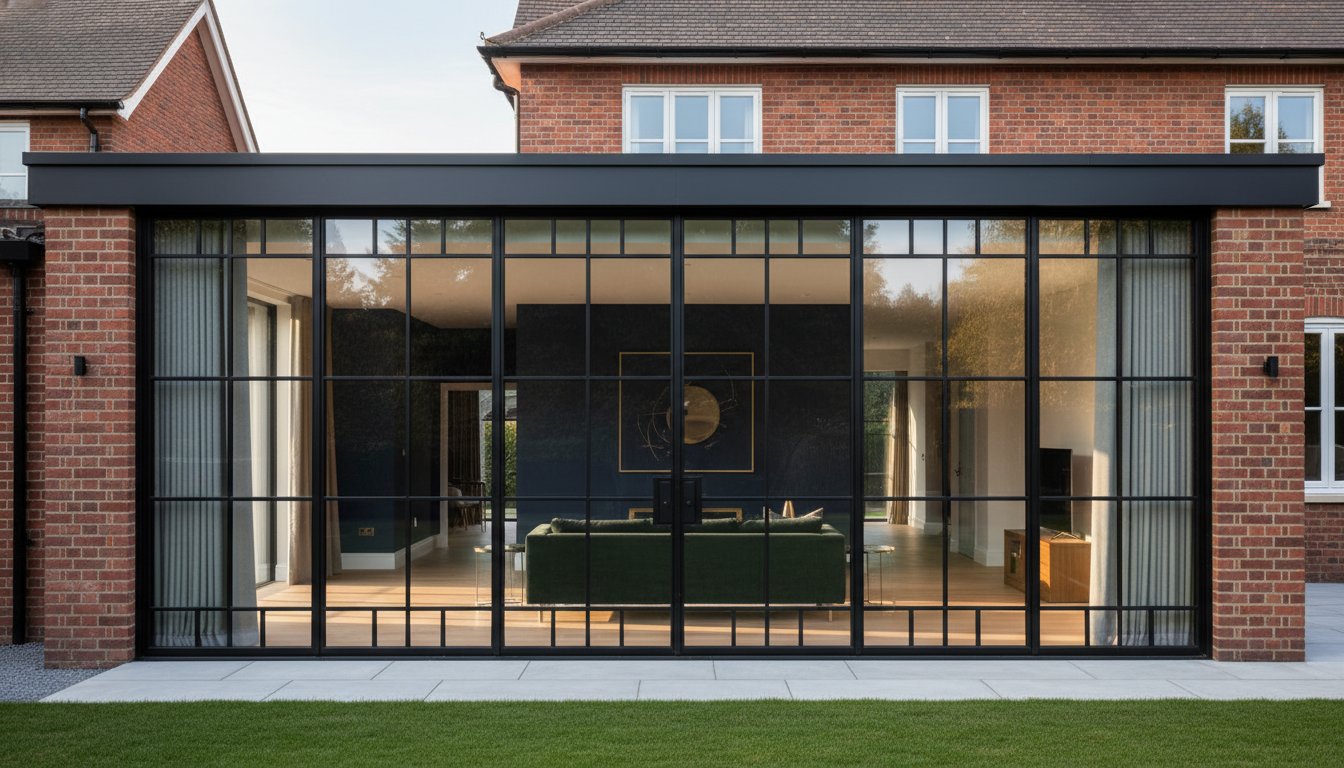
In the 2026 UK market, a heritage window is defined by its ability to honour the past whilst meeting the rigorous thermal standards of the present. This isn't merely a cosmetic upgrade. It is a precise architectural choice that respects the history of window design whilst integrating modern engineering. Whilst standard casements prioritise basic utility, heritage systems focus on replicating the slender sightlines and intricate detailing of 19th and early 20th-century glazing.
The surge in "steel-look" aesthetics has redefined the premium sector. Homeowners often face a choice between genuine steel and high-performance aluminium. Whilst steel offers undeniable authenticity, modern aluminium systems provide a sophisticated, thermally efficient alternative that captures the same industrial character. Investing in these specialised systems ensures that the property's architectural integrity remains intact. This preservation of character is often the primary driver behind a property's long-term market value, making the initial investment a strategic financial decision.
The Anatomy of a Heritage Window
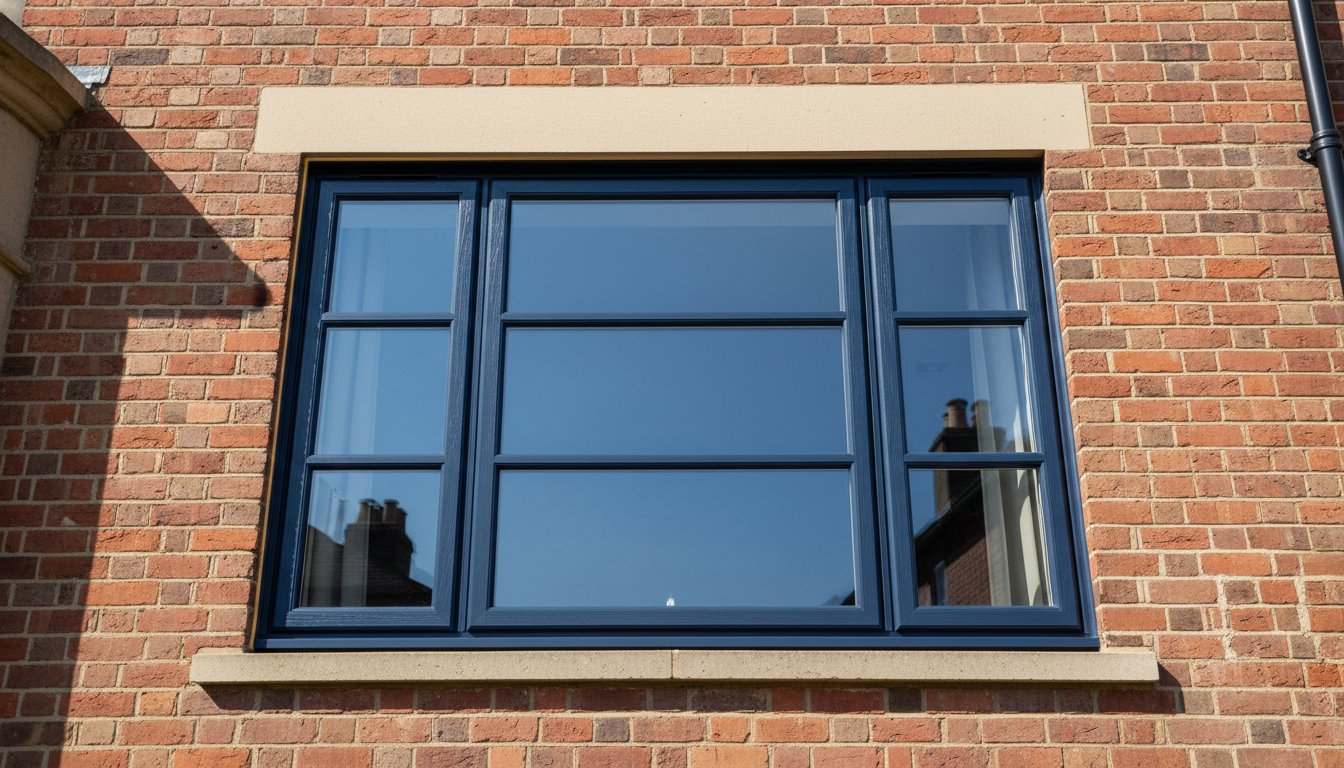
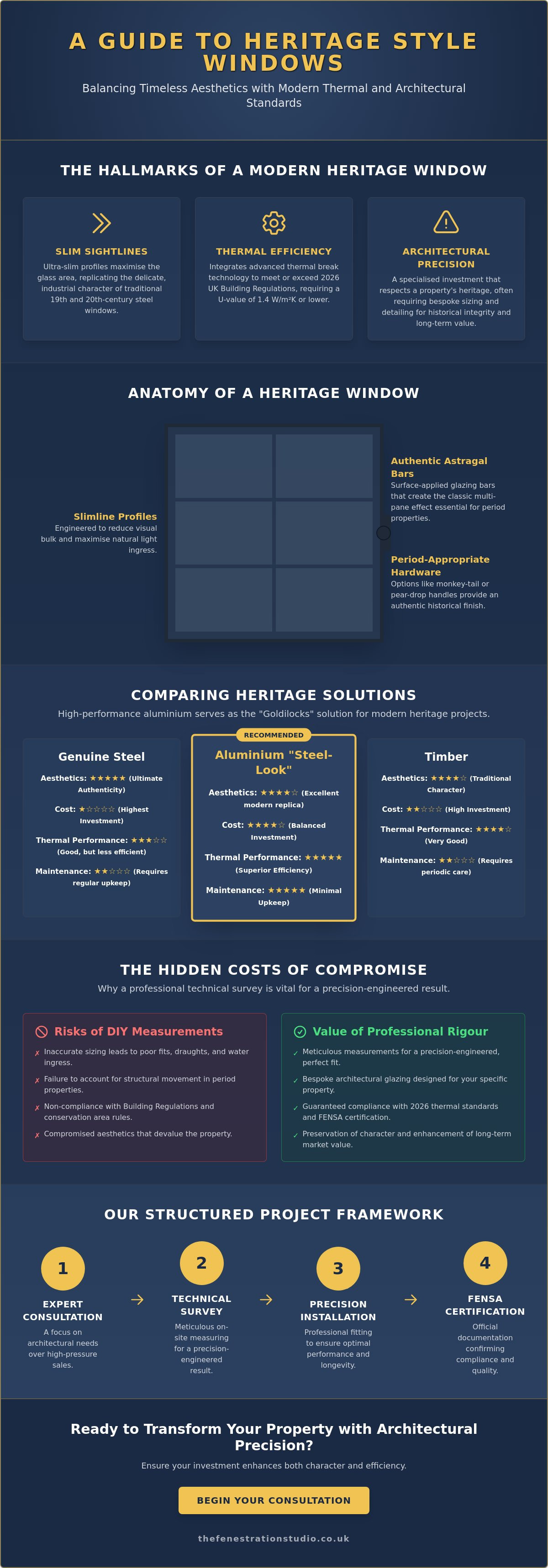
Precision is the hallmark of a true heritage installation. Unlike bulky standard frames, heritage profiles utilise ultra-slim aluminium to maximise the glass area. This mimics the delicate look of traditional metal windows without sacrificing structural strength. The aesthetic is defined by several technical features:
- Authentic Astragal Bars: These glazing bars are applied to the surface of the glass to create the classic multi-pane effect essential for period properties.
- Slimline Profiles: Engineered to reduce visual bulk and improve light ingress, these profiles are central to the "steel-look" appeal.
- Period Hardware: Options like monkey-tail or pear-drop handles provide the tactile, historical finish that distinguishes a premium project.
Why Investment Levels Vary Across the UK
A realistic heritage style windows cost reflects the complexity of the project rather than just the price of the materials. Standard window replacements often rely on "off-the-shelf" sizing, but heritage projects typically demand bespoke architectural glazing. This is particularly true in conservation areas where Article 4 directions may be in place. In these regions, local authorities often require exact replicas of original windows to maintain the streetscape's character.
Complexity also arises from the technical requirements of older buildings. Surveying a period property requires a level of professional rigour that standard installations lack. Every aperture must be meticulously measured to account for structural movement over decades. Choosing from our aluminium products allows for this level of customisation. This ensures the new glazing performs to 2026 standards, such as achieving the mandatory 1.4 W/m²K U-value, whilst appearing as if it has always been part of the building's fabric.
Primary Cost Drivers: Materials, Glazing, and Technical Specifications
Frame material selection serves as the most significant variable when calculating your heritage style windows cost. Whilst timber and steel typically occupy the higher end of the price spectrum, high-performance aluminium offers a superior balance of longevity and architectural flexibility. The integration of advanced thermal break technology is no longer an optional upgrade. As of April 2026, all replacement windows must achieve a maximum U-value of 1.4 W/m²K to comply with Building Regulations. Meeting these stringent standards requires precision engineering, which distinguishes premium systems from budget alternatives.
Beyond the frame, the glass specification plays a critical role in the project's value. Standard double glazing is the baseline, yet many heritage projects require acoustic glass to mitigate urban noise or solar-control coatings for expansive south-facing elevations. Customisation further influences the final quote. Choosing a bespoke RAL colour or a textured finish allows for a perfect match with existing masonry, whilst dual-colour frames (utilising different colours for the interior and exterior) add a layer of manufacturing complexity that is reflected in the total investment.
The Impact of Thermal and Security Performance
Security is a non-negotiable component of modern glazing. Achieving PAS 24 certification involves rigorous testing of the entire window system, including multi-point locking mechanisms and reinforced strike plates. This level of protection provides essential peace of mind but requires a more robust hardware specification. Investing in premium aluminium finishes also ensures the windows withstand the UK's varied climate, preventing the surface degradation often seen in lower-quality coatings. If you are ready to explore these technical specifications for your property, you can book a design consultation with our technical advisors to review your options.
Bespoke Design Features
The complexity of the glazing bar configuration is a primary driver of the final price. Intricate patterns that replicate Victorian or Art Deco styles require more labour-intensive application than a simple grid. Opening configurations also dictate the hardware requirements; a top-hung casement involves different friction stays and hinges compared to a side-hung variant. Technical specifications must also account for integrated cills and frame extenders. These are often necessary to ensure a seamless fit within older, non-standard apertures, where structural movement over decades has created unique installation challenges.
Comparing Heritage Solutions: Aluminium vs. Steel-Look Alternatives
Selecting the right material determines the long-term trajectory of your investment. Whilst various options exist, aluminium has emerged as the "Goldilocks" solution for heritage style windows cost and performance. It occupies the precise middle ground, offering the architectural elegance of genuine steel without the prohibitive financial outlay or the technical limitations of budget alternatives. Genuine steel windows, whilst historically accurate, often sit at a significantly higher price point due to intensive fabrication processes and the inherent weight of the material, which can complicate structural requirements in domestic renovations.
In contrast, budget uPVC "heritage" windows often fail to deliver in high-end projects. The frames are frequently too bulky to replicate authentic slim sightlines, and the material lacks the structural integrity required for larger apertures. For a discerning homeowner, these alternatives often result in a "false economy" where the initial saving is offset by a loss in property character and shorter replacement cycles. Maintenance requirements also vary significantly; timber necessitates regular repainting to prevent rot, whilst steel requires specialist coatings to avoid corrosion. Aluminium is virtually maintenance-free, requiring only a simple cleaning routine to preserve its finish for decades.
Aluminium vs. Steel: The Architectural Debate
Achieving iconic slim sightlines is the primary goal of any heritage project. Aluminium profiles are engineered to be incredibly strong yet lightweight, allowing for expansive glass areas that mimic the original industrial aesthetic. This structural benefit is particularly useful for large-scale glazing where steel would be too heavy or costly to install. From a thermal perspective, modern aluminium often outperforms steel on energy bills. High-performance thermal breaks within the aluminium frame prevent heat transfer, ensuring your home remains comfortable whilst easily meeting the modern efficiency standards discussed in previous sections.
Aluminium vs. uPVC: The Longevity Factor
Durability remains a critical factor in the British climate. Aluminium is naturally resistant to warping, fading, and thermal expansion, ensuring that casements remain easy to operate regardless of the season. The aesthetic difference is equally stark; the crisp, sharp lines of a powder-coated aluminium frame provide an authenticity that uPVC cannot match. To see how these systems integrate into period properties, explore our aluminium windows to understand the visual impact and long-term value of premium materials. Choosing aluminium ensures that your property's character is preserved with a material that outlasts cheaper, less stable alternatives.
The Hidden Costs: Why Professional Surveying and Installation Matter
Many homeowners are tempted by "supply-only" retailers who offer measuring guides for DIY assessment. This approach shifts the entire financial risk onto the client. In a period property, apertures are rarely square or level. A millimetre error in a slimline aluminium profile can render a bespoke unit entirely useless. This is where the true heritage style windows cost is often misunderstood. The price of the product is irrelevant if the fitment fails to meet the structural and aesthetic requirements of the building.
Specialist labour is a significant component of a premium glazing investment. Heritage installers command a premium because they possess the technical competency to handle delicate architectural details. They manage the entire project lifecycle, from complex delivery logistics in restricted urban areas to the final technical handover. This consultative approach protects your capital and ensures the windows perform as engineered for decades to come.
The Value of a Technical Survey
A professional survey involves more than just measuring height and width. Our technical advisors identify potential structural issues, such as failing lintels or substrate instability, before manufacturing begins. This phase is critical for ensuring exact tolerances in slimline heritage profiles where there is little room for error. A professional technical survey serves as the primary insurance against installation failure. It ensures that every bespoke unit integrates perfectly with the existing masonry, maintaining the property's weather-tightness and architectural lines.
White Glove Installation Standards
A premium installation team operates with a level of rigour that standard contractors often lack. You should expect a "white glove" service that respects the interior of your home whilst executing a complex engineering task. This includes meticulous protection of floor surfaces and a systematic approach to debris removal. Beyond the physical fitting, the value lies in dedicated aftercare and robust long-term guarantees. These safeguards ensure that your investment remains protected against mechanical failure or finish degradation. To understand the depth of our commitment to quality, explore our aluminium products and service standards.
Precision at the surveying stage prevents expensive delays during the installation phase. If you're planning a heritage renovation and require professional guidance on technical specifications, you should request a technical assessment to secure your project's success.
Executing Your Heritage Project with The Fenestration Studio
Executing a heritage renovation requires more than just a premium product; it demands a systematic approach to project management. At The Fenestration Studio, we bridge the gap between architectural aspiration and technical reality. We understand that navigating the variables of heritage style windows cost can be complex. Our role is to act as your professional mentor, providing transparent advice that prioritises the long-term integrity of your property over short-term sales targets. This consultative method ensures that every detail, from the initial survey to the final handover, is handled with meticulous rigour.
Our nationwide service model is built upon a foundation of regional expertise. Whilst we operate to high-level industry standards across the UK, we recognise that local architectural styles and conservation requirements vary significantly. By pairing our broad technical competency with a nuanced understanding of regional property types, we provide a service that feels both personal and professional. We don't rely on high-pressure tactics. Instead, we focus on delivering a stress-free experience that secures your investment and enhances your home's aesthetic.
The Fenestration Studio Process
Every project begins with a personalised design consultation. This is where we align your property’s unique character with the technical specifications discussed in earlier sections. Our family-run ethos is the driving force behind our uncompromising commitment to quality. Unlike large-scale manufacturers, we maintain a direct line of accountability for every frame we produce. This attention to detail ensures that the slim sightlines and period hardware you select are integrated perfectly into the final installation. To begin this collaborative journey, you can book a design consultation with our technical team today.
Start Your Transformation
Moving from a general budget estimate to a formal technical quote is a critical step in your 2026 heritage project. Preparation involves gathering any relevant planning documentation, particularly if your property is within a conservation area or subject to specific architectural restrictions. Once you are ready to proceed, our team will facilitate a comprehensive assessment to determine the exact requirements for your bespoke installation. This formal process eliminates the guesswork often associated with heritage style windows cost, providing you with a clear, honest framework for your investment. To take the next step in your architectural transformation, request a professional quote and secure the expertise your home deserves.
Securing Your Architectural Legacy
Investing in premium glazing is about more than aesthetics; it is a strategic decision to protect your home's future value. We have explored how material choice and technical precision dictate the final heritage style windows cost, and why the survey stage is non-negotiable. By choosing high-performance aluminium, you achieve the slim sightlines of traditional steel whilst exceeding the 2026 thermal requirements for efficiency.
As an independently run family business, we provide a comprehensive White Glove Service that manages every detail of your project. Our nationwide UK installation network and dedicated technical support ensure your transformation is handled with professional rigour. You don't have to manage these complex architectural choices alone. Book your expert heritage window design consultation today to begin your property's transformation with confidence. We look forward to helping you create a home that is as efficient as it is beautiful.
Frequently Asked Questions
Are heritage style windows more expensive than standard aluminium windows?
Heritage style windows generally command a higher investment than standard aluminium casements. This is because they utilise specialised, ultra-slim profiles and intricate features like authentic astragal bars to replicate historical aesthetics. Whilst a standard window prioritises basic function, the heritage style windows cost reflects the additional engineering required to balance period-accurate sightlines with modern structural integrity and thermal performance.
Do heritage style windows add value to a UK property?
Installing high-quality heritage windows often increases the market value of a UK property. For period homes or those in desirable architectural districts, maintaining historical character is essential for attracting discerning buyers. Beyond aesthetics, the upgrade to modern thermal efficiency and PAS 24 security standards makes the property more sustainable and secure, which are significant selling points in the current housing market.
How do I know if I need a professional survey for my heritage windows?
You should always opt for a professional technical survey if your property is older or has non-standard openings. Standard measurements often fail to account for structural settling or irregular masonry found in heritage buildings. A professional survey identifies these complexities before manufacturing begins, ensuring that your bespoke aluminium frames fit with the precision required to prevent draughts or operational issues.
Can I get heritage style windows in different colours?
You can select from a vast range of RAL powder-coated colours to match your property's specific palette. Popular heritage choices include classic black, anthracite grey, and various shades of white or cream. We also offer dual-colour frames, allowing you to choose a traditional dark finish for the exterior whilst maintaining a lighter, more neutral tone for your interior décor.
What is the difference in cost between double and triple glazed heritage windows?
Triple glazing typically adds between 15% and 20% to the total heritage style windows cost compared to standard double glazing. This investment provides superior acoustic insulation and further reduces heat loss. Whilst double glazing is sufficient to meet current 1.4 W/m²K standards, triple glazing is an excellent choice for homes in noisier urban environments or those seeking maximum energy efficiency.
Do heritage style windows meet 2026 building regulations for thermal efficiency?
All our heritage style windows are engineered to meet or exceed the April 2026 Building Regulations. These standards require replacement windows to achieve a maximum U-value of 1.4 W/m²K. Our advanced thermal break technology ensures that even with the ultra-slim profiles characteristic of heritage designs, your home remains thermally efficient and fully compliant with the latest environmental legislation.
How long does the installation of heritage style windows usually take?
A typical installation for a standard three-bedroom semi-detached house usually takes between three and five working days. This timeline accounts for the careful removal of existing frames and the precision fitting of new units. Larger architectural projects or those involving complex logistics, such as restricted access in conservation areas, may require a more extended schedule, which we outline during the technical survey phase.
Are these windows suitable for conservation areas?
Modern aluminium heritage windows are frequently approved for use in conservation areas. Their ability to replicate the slender sightlines of original steel or timber windows makes them a sympathetic choice for sensitive renovations. However, you should always check with your local planning authority, as some areas with Article 4 directions or listed status may have specific requirements for material and design.