What if the standard choice of uPVC is actually a compromise against the unique environmental demands of your local area? Whether your property faces the abrasive salt air of our coastal towns or the relentless acoustic pressure of a busy city centre, the material you choose must do more than just fill an opening. You likely recognise the frustration of bulky frames obscuring your specific local views, or the fear of warping that affects plastic windows in exposed regional positions. When discerning clients across our service areas ask, "Are aluminium windows better than uPVC?", they are seeking a solution tailored to the architectural heritage and climatic challenges of their specific community.
This guide demonstrates why premium aluminium windows represent a superior long-term investment for your home’s architectural integrity and thermal performance compared to uPVC alternatives. We explore how precision-engineered frames deliver slim sightlines that maximise your unique local outlook without sacrificing security. You will discover how modern thermal technology exceeds the 2026 Part L standards, ensuring your home remains efficient for over 40 years. From maintenance-free finishes that resist regional weathering to superior structural strength, we provide the technical clarity needed to elevate your specific property within its local context.
Key Takeaways
- Identify how structural aluminium eliminates the inherent material failures of warping and discolouration common in plastic frames.
- Discover why the answer to "Are aluminium windows better than uPVC?" is found in the material's superior strength, enabling ultra-slim sightlines and maximum natural light.
- Learn how modern polyamide thermal break technology allows aluminium frames to exceed 2026 Building Regulations for thermal performance.
- Analyse the lifecycle value of your investment, comparing upfront costs against a 40-year lifespan and enhanced property resale value.
- Understand the importance of a professional technical survey in transforming a standard installation into a precision-engineered architectural feature.
Beyond the Price Tag: Why the Aluminium vs uPVC Debate Matters in 2026
The decision to upgrade your home's glazing has evolved far beyond a simple choice of aesthetics. In 2026, the landscape of home renovation in our local communities is defined by a shift toward architectural integrity. Discerning homeowners are moving away from the bulky, generic appearance of plastic that has dominated regional streets for decades. Whilst uPVC remains a common budget-focused material, it often fails to meet the rigorous demands of specific local planning requirements or the environmental stressors of our unique landscapes. When asking, "Are aluminium windows better than uPVC?", one must look past the initial price tag to how the material respects the architectural heritage of your specific street.
Choosing between a structural metal and unplasticised polyvinyl chloride involves more than comparing brochures. It is a decision that impacts the long-term character of your property within its local context. Aluminium provides a level of precision that plastic simply cannot replicate, positioning your home as a sophisticated architectural statement rather than a standard renovation project. This shift is particularly evident in 2026, where the focus has moved from simple "window replacement" to a comprehensive enhancement of a property's structural and visual identity.
The Material Science: Strength vs. Flexibility
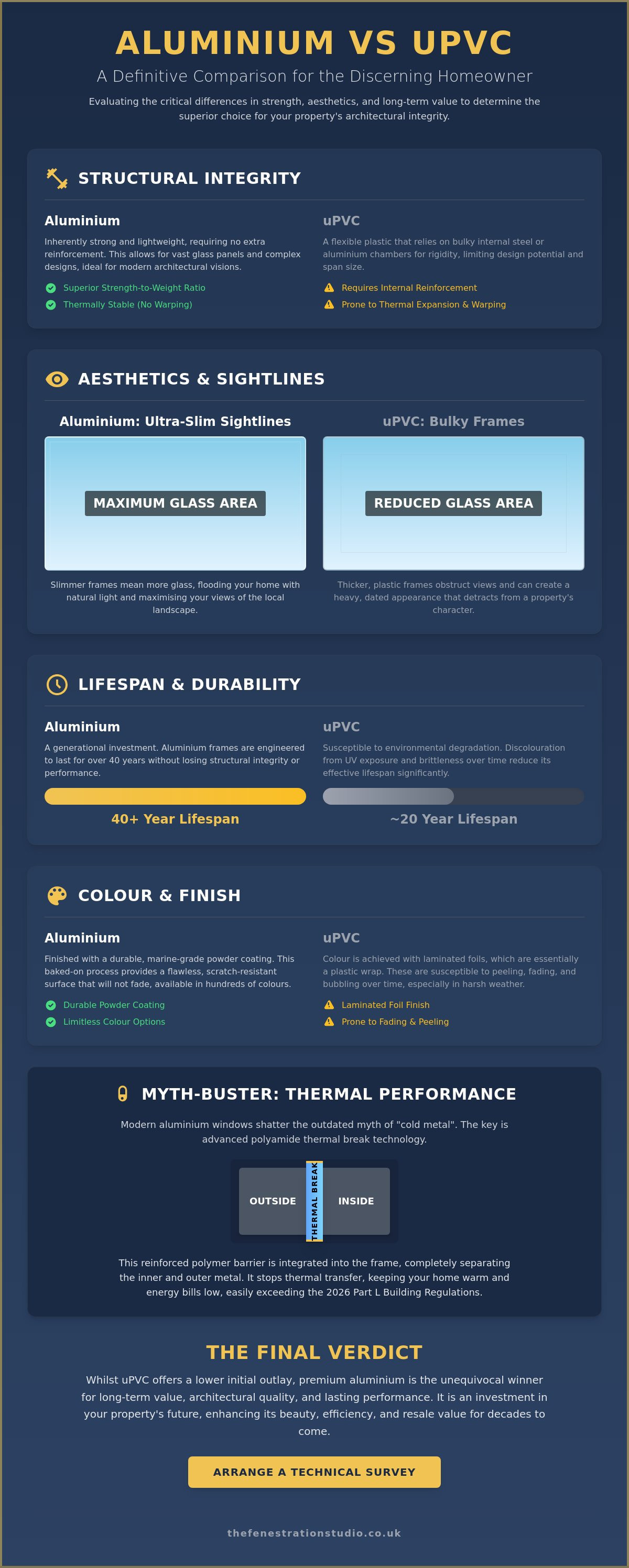
The core difference lies in structural capacity. Aluminium is an inherently strong, lightweight metal that supports significantly larger glass spans without the need for bulky reinforcement. This strength is vital for properties in exposed rural landscapes or hillside locations where wind loads are a primary concern. In contrast, uPVC relies on internal steel or aluminium chambers to provide even a fraction of that rigidity.
Thermal stability is another critical factor in our varied local climate. Plastic frames are prone to significant expansion and contraction during our seasonal temperature shifts, particularly with the dark grey and black finishes popular in modern designs. This movement can lead to seal failure or operational issues over time. Aluminium remains stable across all temperature ranges, ensuring the Window frame materials maintain their tight tolerances for decades. From a professional "White Glove" perspective, this stability is the foundation of a maintenance-free installation that performs perfectly regardless of your local weather conditions.
The Aesthetic Divide: Sightlines and Colour
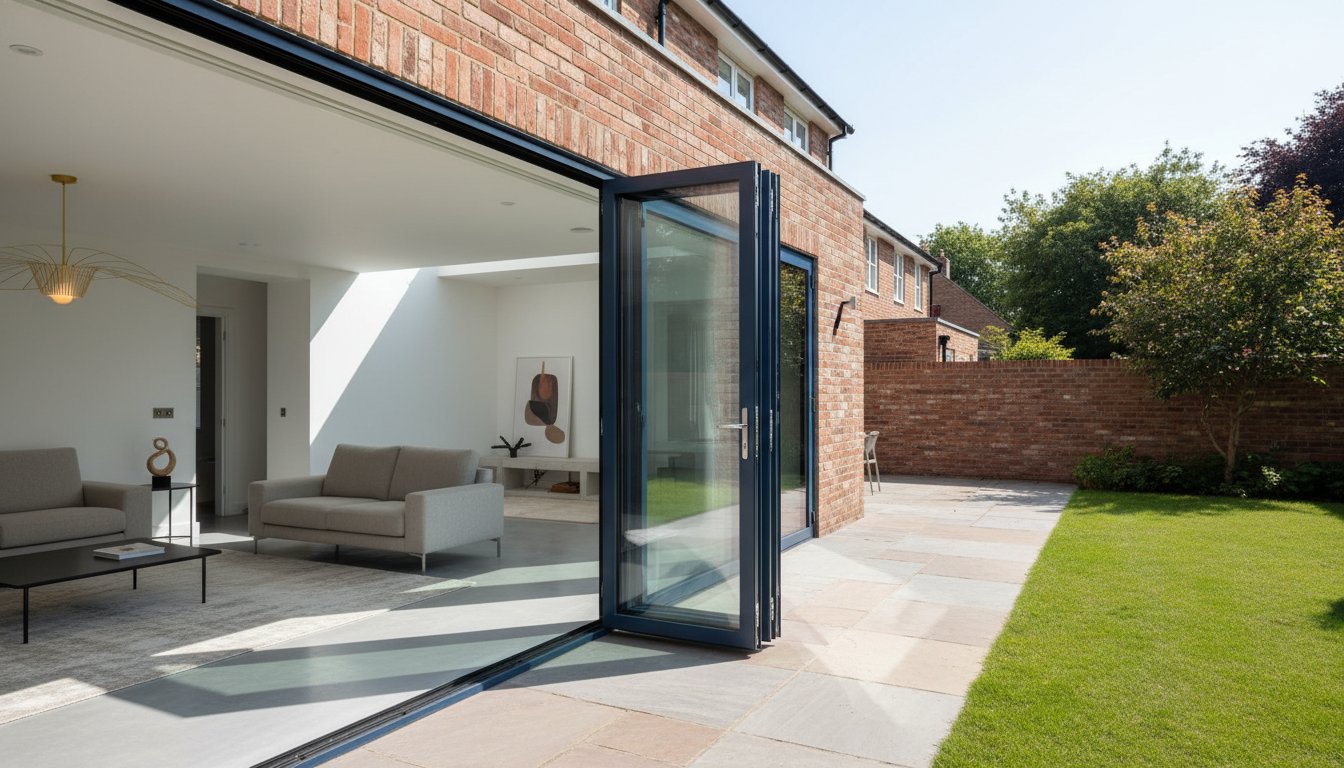
Aesthetics are often the primary driver for homeowners choosing aluminium windows over plastic alternatives. The material's strength allows for incredibly slim sightlines, which maximise the visible glass area and invite more natural light into your living space. Typical uPVC frames are significantly bulkier, often creating a "heavy" look that can detract from the fine details of local period properties or contemporary extensions.
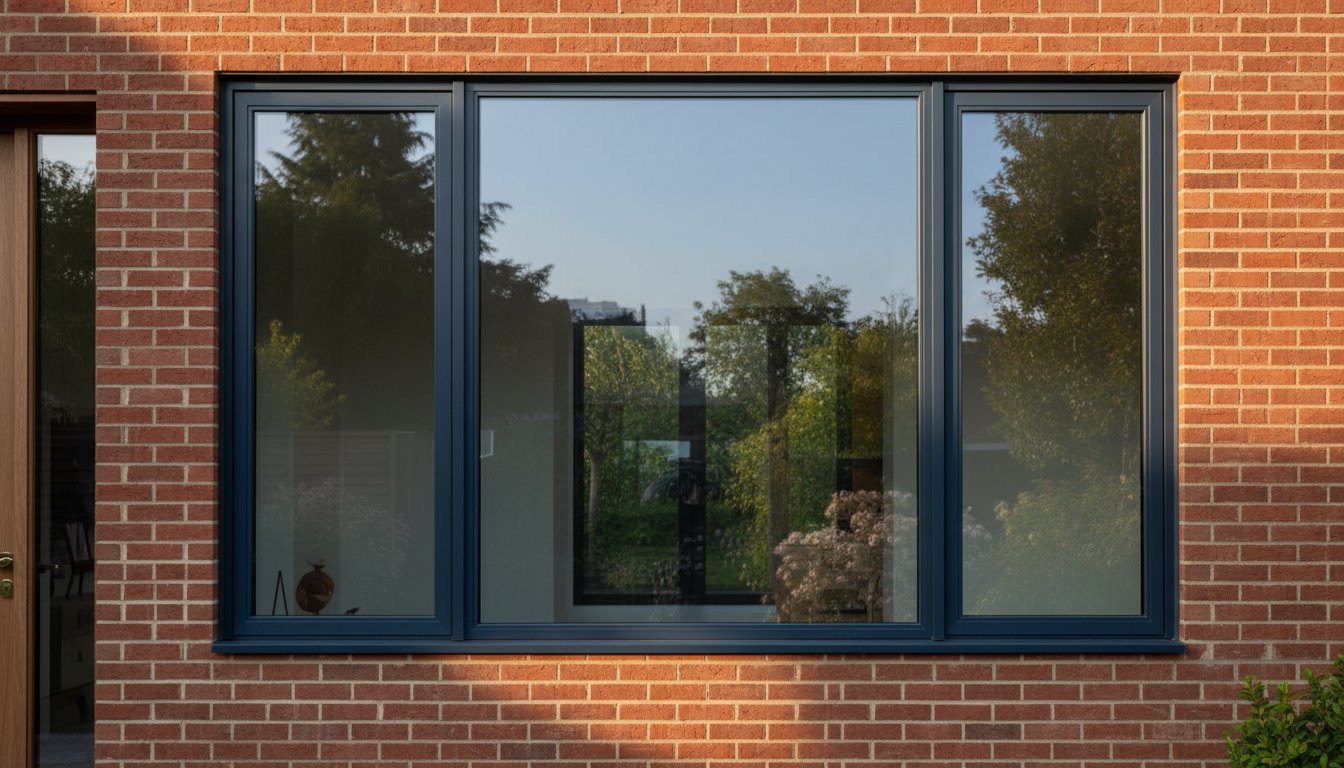
Colour application also differs greatly between the two. uPVC typically uses foils or laminates to achieve different colours, which can eventually peel or fade. Aluminium utilises a marine-grade powder coating process. This finish is baked onto the metal, creating a durable, scratch-resistant surface that holds its depth of colour for the long term. This is particularly beneficial when matching frames to local building materials, such as specific regional stone or brickwork. If you are seeking a specific architectural finish that respects your local environment, aluminium offers a level of customisation and professional-grade quality that plastic cannot match.
Structural Integrity and Architectural Freedom: The Slimline Advantage
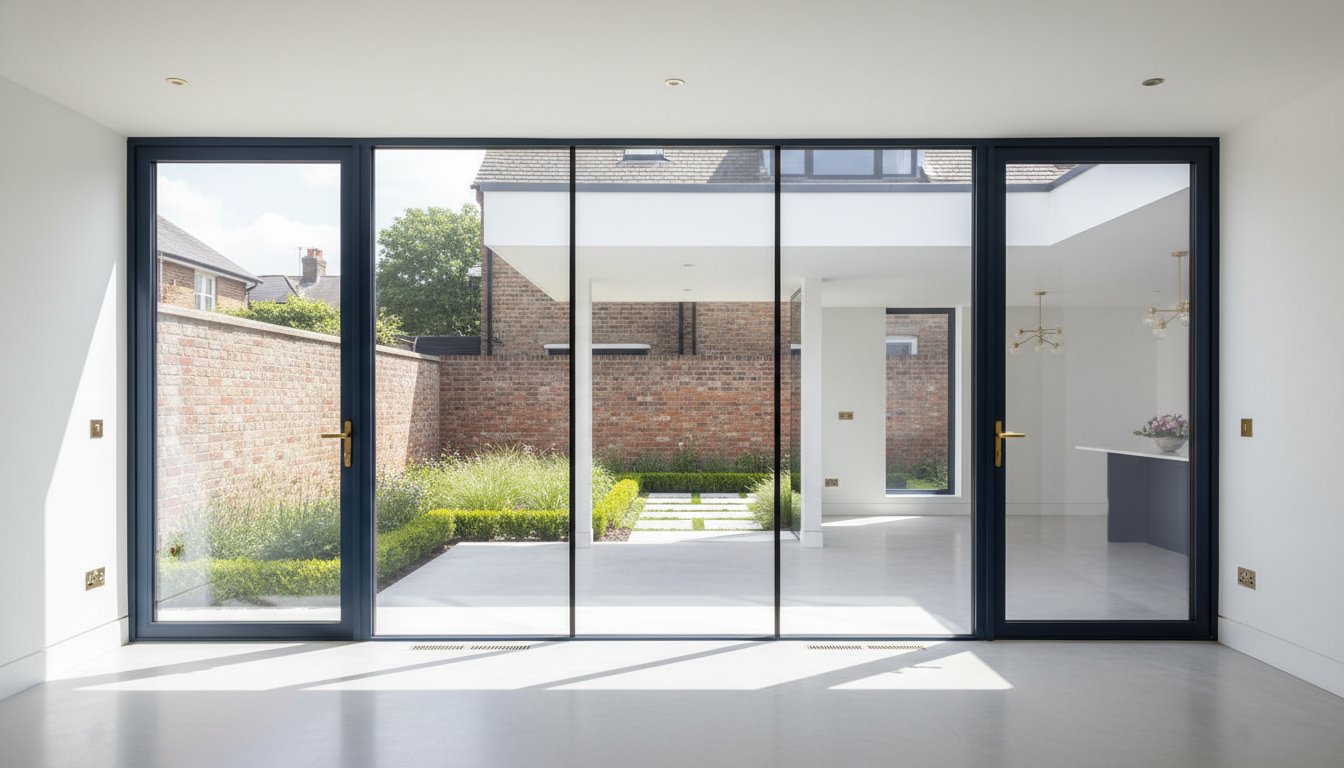
Aluminium's architectural superiority stems from its inherent load-bearing capacity. Whilst uPVC requires internal steel reinforcement to achieve basic stability, aluminium is a structural material in its own right. This allows for the oversized glazing and complex configurations often required in the high-specification extensions currently transforming our local towns and villages. If your project involves floor-to-ceiling glass to capture a specific regional view or a panoramic outlook, the question isn't just "Are aluminium windows better than uPVC?", but rather which material is physically capable of supporting such expansive spans. Aluminium handles the weight of heavy double or triple-glazed units with ease, preventing the sagging or operational failure often seen in large-scale plastic installations on our more exposed local properties.
The rigidity of these metal frames ensures that the installation remains perfectly square, maintaining the precision of the window's operation for decades. This reliability is a hallmark of our White Glove approach to fenestration, where we prioritise engineering excellence for homes across our regional service areas. By choosing a material that does not flex under the weight of the glass, you secure the structural integrity of your property's envelope against the unique environmental pressures of your specific location.
Maximising Natural Light with Slim Profiles
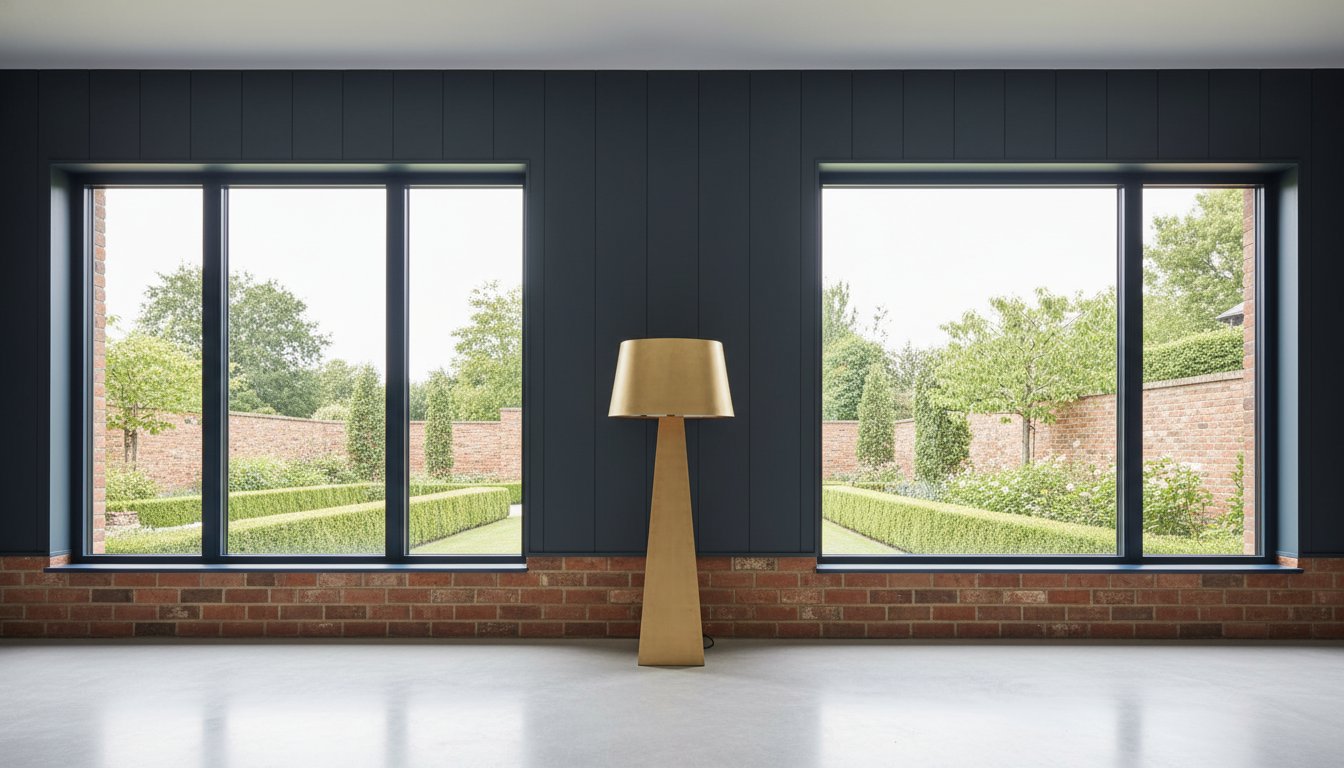
The frame-to-glass ratio is where the aesthetic difference becomes undeniable. The psychological benefit of increased natural light is vital during our often overcast regional winters, and aluminium's strength allows for frames that are significantly thinner than their plastic counterparts. By reducing the visible boundary between your interior and the local scenery, aluminium creates a seamless connection to the outdoors. A precision-engineered 50mm aluminium profile allows for significantly more natural light than a standard 70mm uPVC frame by minimising the opaque surface area of the window.
Bespoke Configurations and Heritage Styles
For properties in our local conservation areas or Victorian-era streets, uPVC often fails to deliver the necessary historical accuracy. The material is too bulky to replicate the fine lines of traditional steel windows found in many of our region's heritage buildings. The AD55 Heritage French Door and its window counterparts offer an authentic solution for these sensitive projects. You gain the historic charm of slim glazing bars without the maintenance burden of old steel frames. Material performance standards are increasingly global; a 2022 report from the Building and Construction Authority of Singapore highlights how material choices impact building performance and structural longevity. With over 200 RAL colours available, you can book a design consultation to find the perfect match for your property's local character.
Thermal Performance and Security: Debunking the Myths of Cold Metal
A common hesitation regarding metal frames is the dated perception that they are cold to the touch or prone to condensation. This misconception stems from first-generation systems of decades past that lacked modern insulation. Today, the technical reality is entirely different. When asking, "Are aluminium windows better than uPVC?", the answer lies in the sophisticated polyamide thermal break technology now standard in premium systems. This non-conductive barrier separates the inner and outer profiles, effectively halting heat transfer and ensuring your home remains warm whilst energy costs are kept under control.
The density of aluminium also provides a distinct advantage in acoustic insulation. Noise reduction is a priority for many British homeowners, particularly those in urban areas or near busy transport links. Because aluminium is a denser material than uPVC, it offers a more robust barrier against external sound when paired with high-performance glazing. This structural mass, combined with precision-engineered seals, creates a quieter and more serene living environment.
The Truth About U-Values and Energy Bills
As of 2026, Part L of the UK Building Regulations mandates a maximum U-value of 1.4 W/m²K for replacement windows. Modern aluminium systems don't just meet these requirements; they frequently exceed them. The synergy between thermally broken frames and advanced triple glazing allows for exceptional energy efficiency. Beyond immediate savings, aluminium contributes to a lower carbon footprint. It's a circular material that is 100% recyclable without loss of quality, and its 40-year lifespan far outlasts the typical 20-year cycle of plastic alternatives. An Australian Window Association (AWA) study confirms that powder-coated aluminium frames maintain their finish and integrity even in the most demanding environments, ensuring that thermal seals remain airtight for decades.
Security Without Compromise
Security is a fundamental pillar of our consultative approach. Aluminium's inherent rigidity makes it significantly harder to force or jemmy than flexible uPVC frames. In a plastic window, the frame can often be bent away from the locking points with relatively little effort. Aluminium remains steadfast. This material strength allows for the integration of sophisticated multi-point locking systems that are anchored into the metal itself.
- PAS 24 Certification: Our systems are tested to rigorous security standards to resist opportunistic attacks.
- Structural Integrity: The metal profile doesn't degrade or become brittle, maintaining its protective qualities over time.
- Hardware Integration: Heavy-duty hinges and bolts are supported by the frame's natural strength.
We apply these same rigorous standards to our entrance doors, which serve as a benchmark for home security. When you choose aluminium, you aren't just choosing a window; you're choosing a defensive barrier that provides genuine peace of mind without sacrificing architectural elegance.
Calculating the Long-Term ROI of Premium Glazing
Selecting windows based on the lowest initial quote is a common industry pitfall. Whilst uPVC is often marketed as the cost-effective choice, it represents a false economy for the discerning property owner. When evaluating the question, "Are aluminium windows better than uPVC?", the answer emerges through a lifecycle value framework. A premium aluminium system is designed to perform for 40 years or more. Plastic alternatives typically require replacement after two decades as their structural integrity falters and their aesthetic appeal diminishes. This 40-year lifespan effectively halves the long-term cost of your glazing investment.
The "low maintenance" label attached to uPVC is often misleading in practice. Because plastic is flexible and prone to significant thermal expansion, these frames frequently require professional adjustment to ensure locks and seals remain aligned. Over time, the material can become brittle and lose its lustre. Aluminium is a rigid, architectural-grade metal. It stays square. It stays functional. This stability reduces the long-term cost of ownership and ensures that your home’s security and thermal envelope remain intact without constant intervention or the need for premature replacement of failed units.
Environmental responsibility is a key consideration for the modern homeowner. Aluminium is a "green" metal; it is infinitely recyclable and requires 95% less energy to recycle than to produce from raw materials. In 2026, building a sustainable home is not just an ethical choice but a financial one. Choosing a material that lasts twice as long as plastic significantly reduces the carbon footprint of your renovation project and appeals to the growing demographic of eco-conscious buyers who value longevity over disposability.
Durability: 20 Years vs. 40+ Years
Over twenty years, uPVC seals often degrade, and hardware begins to pull away from the softening plastic. This leads to draughts and compromised security. Aluminium powder coating is a high-performance finish that does not flake, peel, or fade. Our White Glove aftercare philosophy ensures that these precision-engineered components are maintained to the highest standards. By treating the installation as a premium service experience rather than a manual task, we extend the product life far beyond industry averages.
Market Perception and Kerb Appeal
Prospective buyers now view aluminium as a premium upgrade that signals a well-maintained, high-specification home. In a competitive market, slimline frames and architectural glazing provide the kerb appeal that justifies a higher property valuation. You can see the impact of this quality in our product reviews, where homeowners detail the transformation of their properties. Investing in quality today secures the resale value of your home tomorrow. To begin your investment in architectural longevity, request a bespoke quote for your project.
Elevating Your Home with The Fenestration Studio’s White Glove Service
The choice of high-specification glazing is only the first step in an architectural transformation. The materials themselves are inert until they are integrated into your home with technical precision. Identifying a knowledgeable partner who understands the nuances of aluminium fenestration is vital. At The Fenestration Studio, we move away from the aggressive sales tactics common in the industry. Instead, we position ourselves as a consultative partner. We guide you through the complex technical journey from initial concept to final handover.
When homeowners ask, "Are aluminium windows better than uPVC?", they are often seeking more than just a material comparison. They are looking for a guarantee of quality that plastic installers rarely provide. Our commitment is rooted in honest advice and uncompromising standards. We recognise that every property is unique. Whether you are renovating a heritage terrace or building a contemporary masterpiece, our approach remains systematic and entirely in control of the project lifecycle. This dual identity balances our regional presence with high-level quality standards.
The Professional Survey: Precision Engineering
In the world of aluminium, millimetre-perfect measurements are non-negotiable. Unlike plastic frames that can be forced or trimmed, aluminium is a rigid, structural material. A professional technical survey is the foundation of a successful project. Our surveyors focus on the structural integrity of the aperture and the specific technical specifications required for your property. This level of detail prevents common installation delays and ensures a seamless fit. To begin this methodical planning process, we encourage you to book a design consultation with our specialist team.
The Installation and Aftercare Journey
The "White Glove" experience defines our approach to the installation process. It elevates the work from a manual task to a premium service experience. We balance a national service standard with deep local expertise; this ensures that your project benefits from regional experience grounded in broader industry excellence. Our teams handle every component with professional rigour, from the initial delivery to the final handover. The pace of our work is deliberate and unhurried because we value precision over speed.
Our journey does not end when the last window is fitted. We provide a structured aftercare framework that reflects our long-term thinking. We are honest about the limitations of budget alternatives and transparent about the maintenance required to keep your investment performing at its peak. This methodical progression ensures a smooth, well-managed journey that respects your time and your property. If you are ready to secure the architectural integrity of your home, request a bespoke quote for your project today.
Securing Your Home’s Architectural Future
Choosing the right fenestration is a decision that defines your property for decades. We've explored how aluminium’s structural mass allows for ultra-slim sightlines that plastic simply cannot replicate. Whilst uPVC serves a budget-focused market, it often leads to a false economy through material fatigue and seal failure. When you ask, "Are aluminium windows better than uPVC?", the answer lies in the 40-year lifecycle and the superior security of a rigid metal frame. Our premium marine-grade powder coated finishes ensure that your investment maintains its depth of colour without the risk of peeling or fading.
As an independently run family business since 2021, we pride ourselves on a methodical, consultative approach. We don't just deliver products; we provide a nationwide White Glove installation service that treats your home with professional rigour. Every project is an opportunity to enhance your home’s thermal efficiency and kerb appeal through precision engineering. Take the next step in your architectural journey and request a bespoke quote for your aluminium glazing project today. We look forward to helping you transform your vision into a lasting reality.
Frequently Asked Questions
Do aluminium windows cause more condensation than uPVC?
Modern aluminium windows do not cause more condensation than uPVC because of integrated polyamide thermal breaks. These non-conductive barriers prevent the cold external temperature from reaching the internal frame, which stops moisture from forming. Whilst condensation is often a result of poor internal ventilation, ensuring your windows include trickle vents in line with Part F regulations will manage airflow effectively. This technical solution maintains a dry and healthy environment within your home.
Are aluminium windows more expensive than uPVC in the long run?
Aluminium represents a more cost-effective choice over several decades because it eliminates the need for mid-life replacements. Whilst the initial expenditure is higher, the total cost of ownership is lower than plastic alternatives that fail after twenty years. When asking, "Are aluminium windows better than uPVC?", the financial answer lies in the lifecycle value and the preservation of your property's long-term market valuation.
Can I get aluminium windows in a heritage or period style?
You can specify aluminium frames that perfectly replicate traditional steel and heritage designs. Our Heritage Style Windows & Doors offer the slim glazing bars and industrial aesthetics required for period properties without the maintenance burden of old metal. These systems provide a sophisticated architectural finish that bulky uPVC profiles cannot achieve, ensuring your property maintains its historical character whilst benefiting from modern security.
How long do aluminium windows actually last compared to plastic?
High-grade aluminium windows typically last 40 years or more, significantly outperforming the 20-year cycle of most plastic frames. Aluminium does not suffer from UV degradation or become brittle when exposed to the elements. This material stability ensures that the frames remain square and the seals remain airtight for decades. Investing in metal avoids the frustration of warping and operational failure common in aging plastic installations.
Are aluminium windows as energy efficient as uPVC?
Aluminium windows are just as energy efficient as uPVC and frequently exceed current UK Building Regulations. Technical innovations in thermal barriers mean that metal frames provide an exceptional barrier against heat loss. When combined with precision-engineered seals and high-specification glazing, these systems create a robust thermal envelope. This performance ensures your living space remains comfortable throughout the seasons whilst reducing your reliance on central heating.
Is it possible to paint uPVC windows to look like aluminium?
Painting uPVC to look like aluminium is rarely successful because paint does not bond permanently to plastic surfaces. The natural expansion of uPVC in the sun often causes paint to crack and peel within a few seasons. In contrast, our aluminium frames feature a marine-grade powder coating that is baked onto the metal. This process provides a scratch-resistant finish that maintains its architectural quality without the need for maintenance.
Do aluminium windows rust in coastal or high-exposure areas?
Aluminium windows will not rust or corrode, even in demanding coastal or high-exposure environments. The material naturally develops a protective oxide layer that shields it from salt-laden air and moisture. For properties in these locations, we apply a specialised marine-grade finish to ensure the frames remain pristine. This durability makes aluminium the standard choice for luxury coastal developments where material longevity is a primary requirement.
What security ratings should I look for in new aluminium windows?
Prioritise windows with a PAS 24 security rating to ensure they have been tested against opportunistic physical attacks. The structural mass of aluminium makes it significantly harder to force than flexible plastic frames. When considering if aluminium windows are better than uPVC for security, the rigidity of the material provides the most robust defence. Our White Glove installation ensures that high-security hardware is integrated directly into the metal profile.