Could the very design feature that defines your home's character also be the source of its greatest heat loss? Many homeowners believe that achieving a slimline, industrial aesthetic requires a compromise on warmth and security; however, this is a costly misconception. You want the iconic Art Deco look of traditional steel, yet you're understandably concerned about meeting the 2026 Part L requirements for thermal efficiency. We understand that choosing the right heritage doors for your local property is a significant architectural decision that shouldn't be handled by high-pressure sales teams or inexperienced fitters.
This guide will show you how to secure a timeless aesthetic whilst surpassing modern performance standards, ensuring your home remains both beautiful and compliant. We'll examine the technical distinctions between internal and external glazing systems, navigate the latest building regulations, and explain why a surveyor-led installation is the only way to guarantee precision. From achieving a 1.4 W/m²K U-value to selecting high-performance aluminium frames, you're about to discover how to elevate your property's value with absolute confidence.
Key Takeaways
- Identify the architectural signatures that define the iconic Art Deco look whilst ensuring your project remains historically sympathetic to the design of authentic heritage doors.
- Understand why precision-engineered aluminium has surpassed steel as the superior choice for thermal efficiency without compromising on ultra-slim sightlines.
- Evaluate whether French or bifold configurations best serve your lifestyle and property layout for a seamless indoor-outdoor transition.
- Recognise the critical role of a surveyor-led installation in preventing the common pitfalls of poor fitment, drafty seals, and security vulnerabilities.
- Ensure full compliance with the 2026 Building Regulations by selecting high-performance glazing systems that meet the latest mandatory thermal standards.
What are Heritage Doors? Defining the Industrial Aesthetic
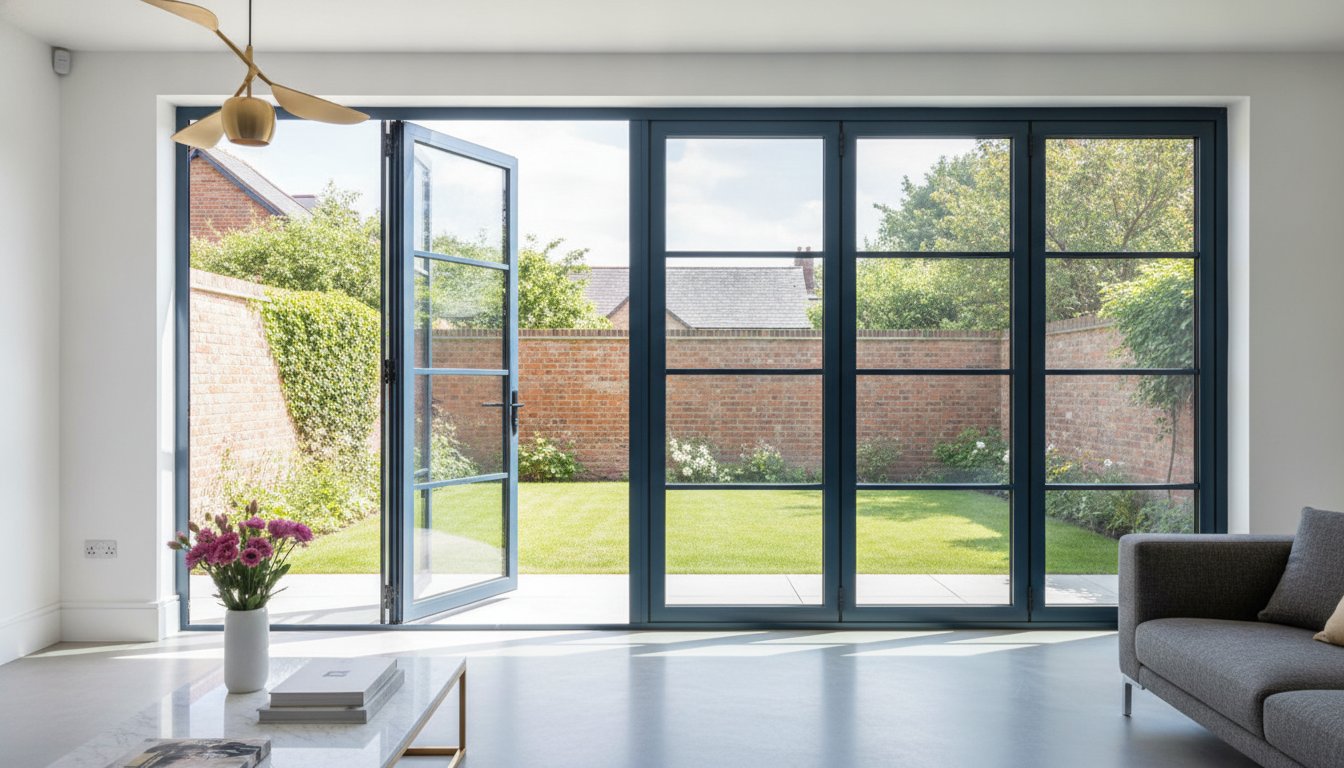
The enduring appeal of heritage doors lies in their ability to evoke a specific era of architectural history whilst meeting the rigorous demands of modern living. Originally inspired by the iconic steel-framed designs of the 1920s and 30s, most notably those produced by Crittall Windows, this aesthetic has transitioned from industrial utility to high-end residential luxury. Today, the style is defined by ultra-slim sightlines and a grid-like arrangement of glazing bars that create a striking visual rhythm. This design language remains a firm favourite amongst homeowners because it provides a structural frame for the view outside, acting as a piece of architectural art in its own right.
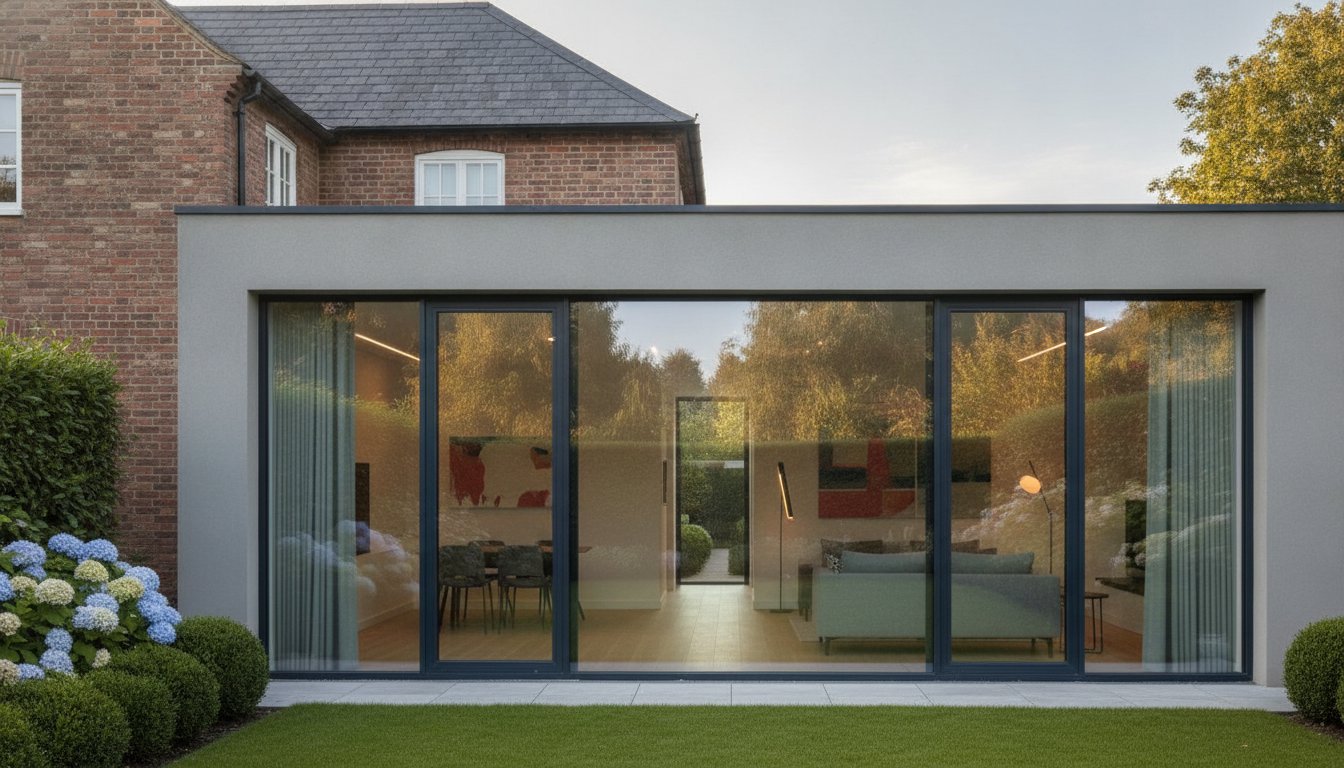
Whilst traditional steel systems established the look, modern aluminium heritage alternatives have become the preferred choice for 2026 renovations. These systems replicate the delicate profiles of the past but incorporate advanced thermal breaks and multi-point locking mechanisms. This evolution ensures that a property maintains its period character without the common drawbacks of legacy materials, such as condensation or poor energy retention. Whether you're restoring a Victorian terrace or adding a crisp, industrial edge to a contemporary extension, these doors provide a versatile solution that balances history with high-performance engineering.
The Anatomy of a Heritage Door
Achieving an authentic aesthetic requires meticulous attention to technical details. The primary feature is the astragal bar, often called a glazing bar, which is applied to the surface of the glass to create the signature multi-pane effect. Precision is vital here; if the bars are too wide, the industrial feel is lost to a bulky, dated appearance. Frame depth is equally critical. A shallower frame allows for a more flush, integrated finish within the building's aperture. Whilst various finishes are available, matt black remains the industry standard for those seeking a true industrial look, providing a sharp contrast that highlights the geometric precision of the aluminium extrusions.
Internal vs External Heritage Systems
It's vital to distinguish between internal and external applications, as their engineering serves entirely different purposes. External systems must prioritise security and weatherproofing, utilising high-spec seals and thermal breaks to meet the latest building regulations. Conversely, internal glazing systems focus on acoustic separation and light distribution. By coordinating frame profiles across both internal partitions and external patio doors, you can create a cohesive architectural narrative throughout the home. For those exploring specific configurations, our AD55 Heritage French Door offers a refined example of how these technical elements come together in a high-performance system.
Aluminium vs Steel: Why Material Choice Defines Performance
Choosing the right material for your heritage doors is more than an aesthetic preference; it's a technical decision that dictates your home's thermal integrity. Historically, steel was the only option for achieving the ultra-slim sightlines characteristic of industrial design. However, traditional steel is a notorious thermal conductor. This leads to cold-bridging, where heat escapes rapidly through the frame, often resulting in internal condensation and increased energy bills. To fully appreciate the functional roots of this style, one might look at how Industrial Architecture Explained highlights the priority of raw materials and structural honesty. In a modern context, this honesty involves choosing materials that perform in the British climate.
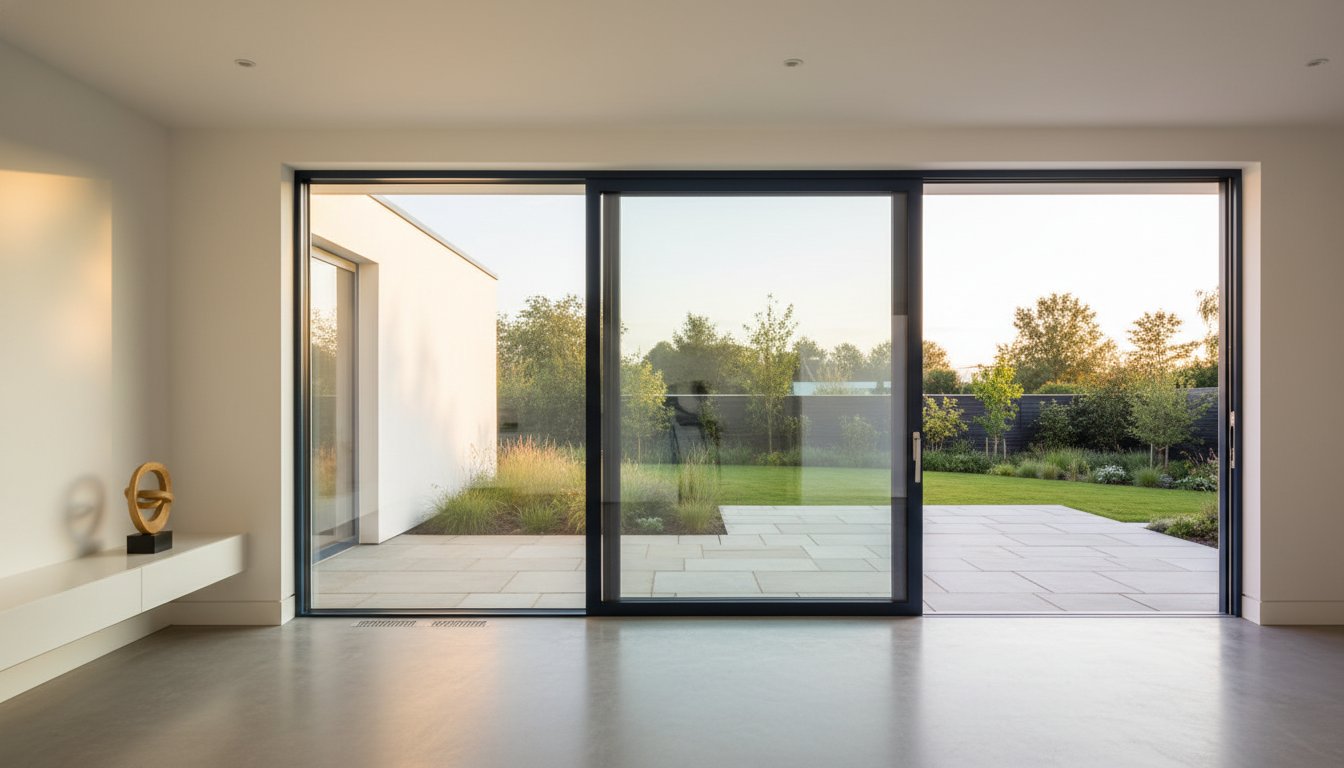
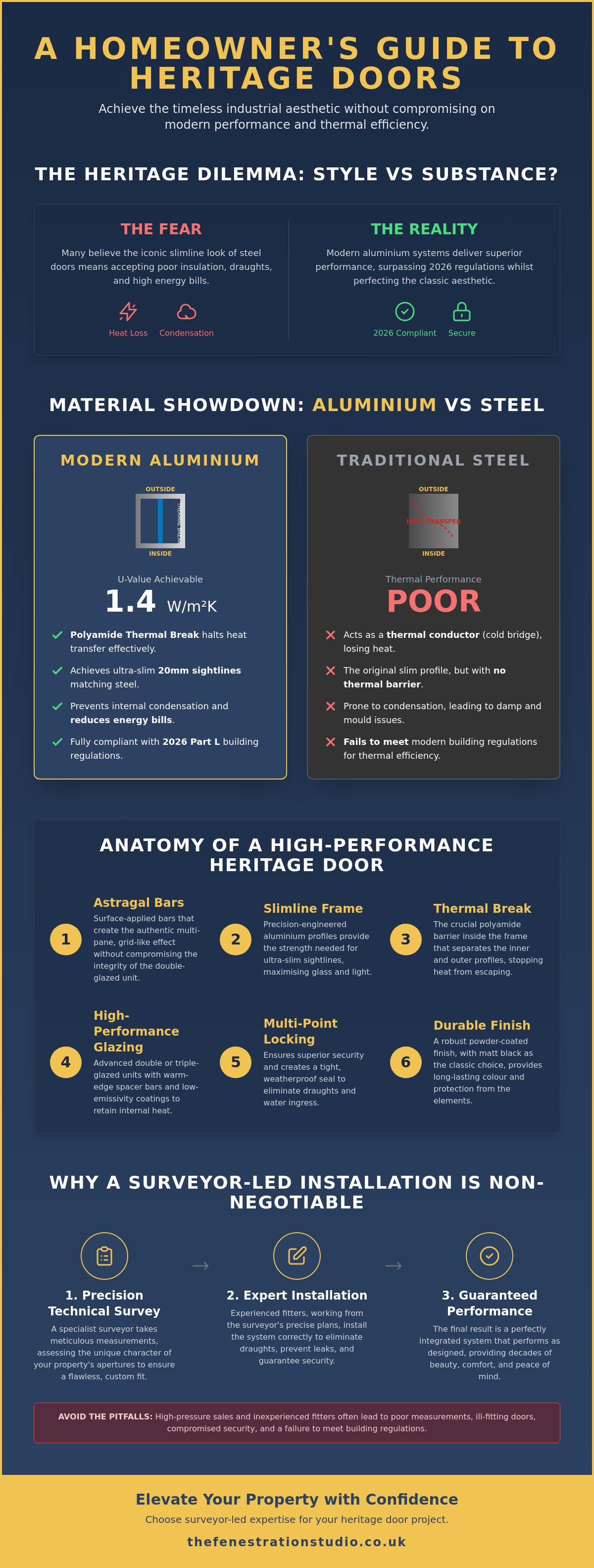
Modern aluminium extrusions have bridged the gap between form and function. By using high-strength alloys, we can now achieve profiles that mimic the 20mm sightlines of steel whilst incorporating a polyamide thermal break. This internal barrier separates the inner and outer frames, effectively halting heat transfer. It's a sophisticated solution that allows homeowners to enjoy the classic look without the legacy issues of cold, damp frames. If you're weighing up the technical specifications for your renovation, you may wish to explore our range of aluminium systems to see how they balance these performance metrics.
Thermal Efficiency and U-Values
U-values measure the rate of heat transfer through a material; quite simply, the lower the number, the better the insulation. Replacement doors in 2026 must achieve a U-value of 1.4 W/m²K or better to comply with Part L of the Building Regulations. Whilst steel often struggles to meet these figures without significant bulk, our aluminium heritage doors are designed to exceed these standards comfortably. High-performance double glazing, featuring argon-filled cavities and low-emissivity coatings, works in tandem with the thermally broken frame to keep your living space warm in winter and cool in summer.
Security and Longevity
A common concern with slim-frame designs is a perceived lack of security. In reality, aluminium's structural integrity allows it to support substantial glass weights without deforming or bowing. We integrate multi-point locking systems as standard, ensuring your home remains secure against intruders. Unlike steel, which requires regular painting to prevent rust, our aluminium frames are finished with architectural-grade powder coating. This process ensures the colour remains vibrant and resistant to the elements for decades. It's a "fit and forget" solution that offers the premium reliability our clients expect from a long-term property investment.
Heritage Door Configurations: French, Bifold, and Beyond
Selecting the configuration for your heritage doors requires a careful balance between historical accuracy and modern functionality. Whilst the previous sections addressed the technical superiority of aluminium, the layout of your glazing defines the architectural rhythm of your home. For many, the choice is between the timeless symmetry of a French door and the expansive versatility of a bifold system. Each configuration serves a distinct purpose, yet both can be tailored to meet the highest fenestration installation standards to ensure long-term performance and weather resistance.
The classic French door remains the most authentic choice for period renovations. It provides a formal, structured entrance that aligns perfectly with 1920s design principles. When paired with fixed sidelights or overlight screens, this configuration creates an impressive "wall of glass" that maintains the intimate feel of a heritage property whilst maximising natural light. By customising the number of horizontal and vertical bars, you can either lean into a dense, industrial grid or a more minimalist, open aesthetic. This level of bespoke design ensures that your new glazing doesn't just fit the opening, but enhances the entire architectural character of your property.
The AD55 Heritage French Door
The AD55 Heritage French Door is specifically engineered for projects where aesthetic precision is the priority. With a slim frame depth and narrow astragal bars, it replicates the fine-line detail of original steel systems. These doors are ideally suited for kitchen extensions or garden room entrances where a traditional opening is preferred. The technical survey ensures that every bar aligns across the full width of the aperture, maintaining that crisp, geometric grid that is so central to the industrial aesthetic.
Heritage Bifolds: A Contemporary Twist
For those seeking a more contemporary transition to outdoor spaces, heritage bifolding systems offer a unique solution. They combine the sought-after industrial look with the ability to completely open a wide aperture. A common challenge with bifolds is the bulkiness of the stacked panels; however, our systems are designed to maintain slim sightlines even when fully retracted. Integrating these into modern aluminium bifolding door projects allows for a "traffic door" feature. This provides a single hinged leaf for daily access, meaning you don't have to open the entire set just to let the dog out or step into the garden.
The Technical Survey: Why Precision Installation is Non-Negotiable
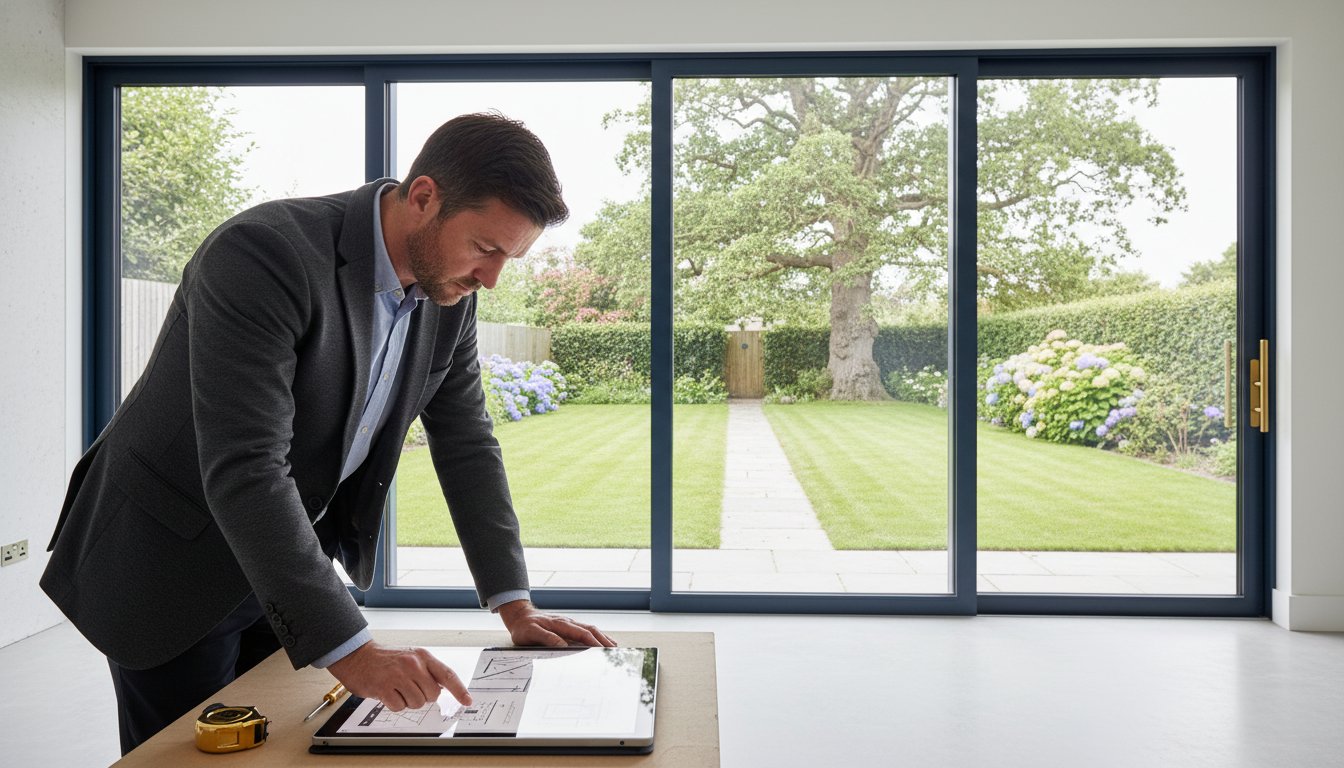
Many homeowners view heritage doors as a simple retail purchase. In reality, these systems are high-performance architectural components that require an end-to-end professional service. A "supply-only" approach often leads to catastrophic errors. Measuring a period property's opening is rarely straightforward; walls are seldom plumb and floor levels often vary. Without a surveyor-led approach, you risk receiving a product that simply doesn't fit or fails to provide the weather-sealed integrity you expect. We employ a "White Glove" methodology, ensuring every project is managed with consultative precision from the first measurement to the final sign-off.
This systematic approach moves away from the industry stereotype of aggressive sales and toward a sophisticated consultancy feel. By highlighting potential structural risks early, we act as a knowledgeable partner in your renovation. The goal is a stress-free experience where technical competency is guaranteed. Precision isn't just about the fit; it's about the long-term performance of the thermal breaks and locking mechanisms discussed in previous sections.
Professional Surveying and Technical Specs
The technical survey is the most critical stage of your glazing project. It's where theoretical design meets structural reality. Our surveyors don't just measure the height and width; they assess structural loadings, drainage requirements, and threshold levels. For heritage doors, where slim frames provide minimal tolerance, a discrepancy of just a few millimetres can compromise the entire aesthetic. By identifying these challenges early, we prevent costly delays and ensure the finished installation looks as though it was always part of the building's fabric. This level of technical planning is what distinguishes a premium installation from a standard replacement.
The Installation Process
Installation day should be a seamless transition, not a source of stress. Handling large, slimline aluminium panels requires expert labour and specialised equipment. These units are heavy yet delicate, demanding a level of care that general builders often cannot provide. Our teams focus on minimising disruption whilst maintaining the highest quality standards. Once the installation is complete, a full technical handover ensures you understand the multi-point locking systems and maintenance requirements. This protective expertise ensures your investment remains a high-value asset for decades. To ensure your project benefits from this level of technical rigour, you can book a design consultation with our specialist team today.
Choosing The Fenestration Studio for Your Heritage Project
Choosing the right partner for your architectural glazing is a decision that impacts your property's value and comfort for decades. At The Fenestration Studio, we operate as an independently run family business, providing a level of personal accountability that is often lost amongst corporate competitors. Our approach is fundamentally consultative; we prioritise the correct technical solution for your specific home over a quick sale. Whilst we maintain a nationwide installation network, our expertise remains grounded in local architectural context, ensuring your heritage doors are perfectly suited to your region's character. By exploring our full range of aluminium products, you'll see our commitment to engineering excellence and aesthetic precision.
We balance a strong national presence with high-level quality standards, ensuring that every project benefits from both regional insight and industry-leading precision. This dual identity allows us to offer the reliability of a large-scale operation with the unhurried, methodical pace of a specialist consultant. We move away from aggressive industry stereotypes toward a more sophisticated feel, positioning ourselves as a knowledgeable partner that guides you through every complex technical stage. Our goal is to provide a stress-free experience that protects your investment from the common pitfalls of budget alternatives.
Our Consultative Design Process
Your journey begins with a diagnostic phase where we identify the specific requirements and potential risks of your project. We encourage you to book a design consultation to speak with a specialist who understands the complexities of slimline glazing. This is where we customise every detail, from the exact placement of astragal bars to the selection of period-accurate hardware finishes. Transparency is a core value of our persona; we invite you to read our product reviews to see how our systematic approach has delivered results for homeowners across the UK. We don't just deliver products; we manage the entire project lifecycle with professional rigour.
Start Your Transformation Today
If you're ready to secure the aesthetic and thermal integrity of your home, the next step is a tailored assessment of your requirements. You can request a bespoke estimate for your heritage doors to understand the technical specifications and scope of your installation. Many of our clients find that coordinating these systems with our high-performance aluminium windows creates a unified architectural statement. Our promise is simple: a smooth, well-managed journey from the initial consultation to the final result. We remain entirely in control of every detail, ensuring your home transformation is handled with the integrity it deserves.
Secure Your Architectural Legacy
Achieving the iconic industrial look doesn't have to mean sacrificing warmth or home security. You now understand that high-performance aluminium is the superior choice for meeting the 1.4 W/m²K U-value required by the 2026 Building Regulations, all whilst maintaining those sought-after slim sightlines. Whether you choose a classic French configuration or a versatile bifold, the longevity of your investment relies on a surveyor-led approach that accounts for every millimetre. Precision in the planning stage prevents the aesthetic compromises and thermal failures often found in lower-grade systems.
Our family-run business brings a sense of integrity and protective expertise to every project. We provide an end-to-end White Glove service that eliminates the common pitfalls of poor installation and technical errors. By choosing The Fenestration Studio, you're partnering with a team that prioritises architectural excellence and long-term reliability. Your heritage doors should be more than just a purchase; they should be a seamless, high-performance addition to your home's character.
Book your expert design consultation today to discuss your vision with a professional advisor. We look forward to helping you transform your property with precision and style.
Frequently Asked Questions
What is the difference between heritage doors and standard aluminium doors?
The primary distinction lies in the architectural sightlines and the application of astragal bars. Whilst standard aluminium doors prioritise large, unobstructed glass panes with thicker frames, heritage doors utilise ultra-slim profiles to mimic traditional steel-framed designs. The signature grid pattern, created by horizontal and vertical glazing bars, provides the industrial aesthetic that standard systems lack. This design focuses on geometric precision and historical accuracy rather than just functional aperture coverage.
Are heritage style doors energy efficient?
Modern aluminium versions are exceptionally energy efficient due to integrated polyamide thermal breaks. Unlike legacy steel systems, these doors are engineered to meet or exceed the 2026 Building Regulations, which mandate a U-value of 1.4 W/m²K or better. By combining thermally broken frames with high-performance double or triple glazing, they effectively eliminate cold-bridging and condensation. This ensures your home remains thermally regulated whilst maintaining a delicate, slimline appearance.
Can I use heritage doors for both internal and external applications?
Yes, these systems are highly versatile, though technical specifications vary between applications. External heritage doors are manufactured with full weatherproofing, thermal breaks, and multi-point locking systems to protect against the elements and intruders. Internal versions focus on acoustic separation and light distribution, often featuring lower thresholds. Coordinating both styles allows you to maintain a consistent industrial design language throughout your property's interior and exterior architecture.
Do heritage doors come with a guarantee?
Premium aluminium systems are designed for long-term durability and typically include comprehensive guarantees covering structural integrity and surface finishes. Architectural-grade powder coating ensures the frames remain resistant to peeling, fading, or corrosion for decades. We recommend reviewing the specific terms provided during your technical survey, as these documents outline the protection for both the glazing units and the precision-engineered hardware components.
How much do heritage doors typically cost to install?
Installation costs are entirely bespoke and depend on the configuration, aperture size, and structural requirements of your project. Factors such as the number of glazing bars, threshold types, and the complexity of the technical survey all influence the final estimate. Because every property has unique tolerances, we provide tailored estimates following a professional consultation to ensure the pricing reflects the specific architectural needs of your home.
Are heritage doors secure enough for an external entrance?
Security is a core component of modern slimline engineering. Despite their delicate appearance, these doors utilise high-strength aluminium alloys that resist deforming under pressure. Most systems feature multi-point locking mechanisms and toughened safety glass as standard, providing a robust barrier against forced entry. The structural integrity of the aluminium frame ensures that the slim sightlines don't compromise the overall safety or stability of your external entrance.
What colours are available for heritage aluminium frames?
Matt black remains the most popular choice for achieving an authentic industrial or Art Deco aesthetic. However, architectural powder coating technology allows for a vast range of RAL colours to suit any property. Whilst anthracite grey is a common contemporary alternative, heritage greens and off-whites are frequently selected for period renovations. These finishes are applied with precision to ensure a durable, low-maintenance surface that withstands the British climate.
Do I need planning permission for heritage style doors?
Planning permission isn't usually required for straightforward replacements in standard residential properties. However, if your home is a listed building or located within a conservation area, specific restrictions often apply. These regulations frequently demand "like-for-like" replacements to preserve the historical character of the neighbourhood. It's vital to consult your local planning authority or a professional surveyor early in the diagnostic phase to ensure full compliance with regional requirements.