What if the choice between a canopy or glass room wasn't a final decision, but the first stage of a modular architectural journey? You've likely felt the frustration of conflicting terminology like "wintergardens" or "verandas", whilst worrying if the space will be too cold in December or stifling in August. These are valid concerns for any discerning homeowner; nobody wants to invest in a premium addition that fails to provide year-round comfort or falls foul of complex planning permission rules.
We provide the professional mentorship you need to move past the jargon and understand the true technical differences between these structures. This guide outlines exactly how a high-performance aluminium canopy can evolve into a sophisticated glass room, ensuring your home benefits from a seamless, "white glove" installation experience. You'll gain a clear understanding of the 2026 building regulations, thermal performance standards, and the modular upgrade path that allows your garden space to adapt to your lifestyle requirements with precision and integrity.
Key Takeaways
- Distinguish between the overhead protection of a permanent aluminium canopy and the fully enclosed environment of a non-thermal glass room.
- Discover how a modular architectural system allows you to choose between a canopy or glass room, with the flexibility to add enclosed walls to your structure in the future.
- Understand UK planning permission and building regulations with expert guidance on which structures typically qualify as permitted development.
- Learn why precision site surveying and structural engineering are vital for managing the unique wind and snow load demands of the British climate.
- Recognise the value of a 'white glove' installation experience that prioritises architectural integrity and consultative design over high-pressure sales.
Defining the Architectural Canopy and Glass Room
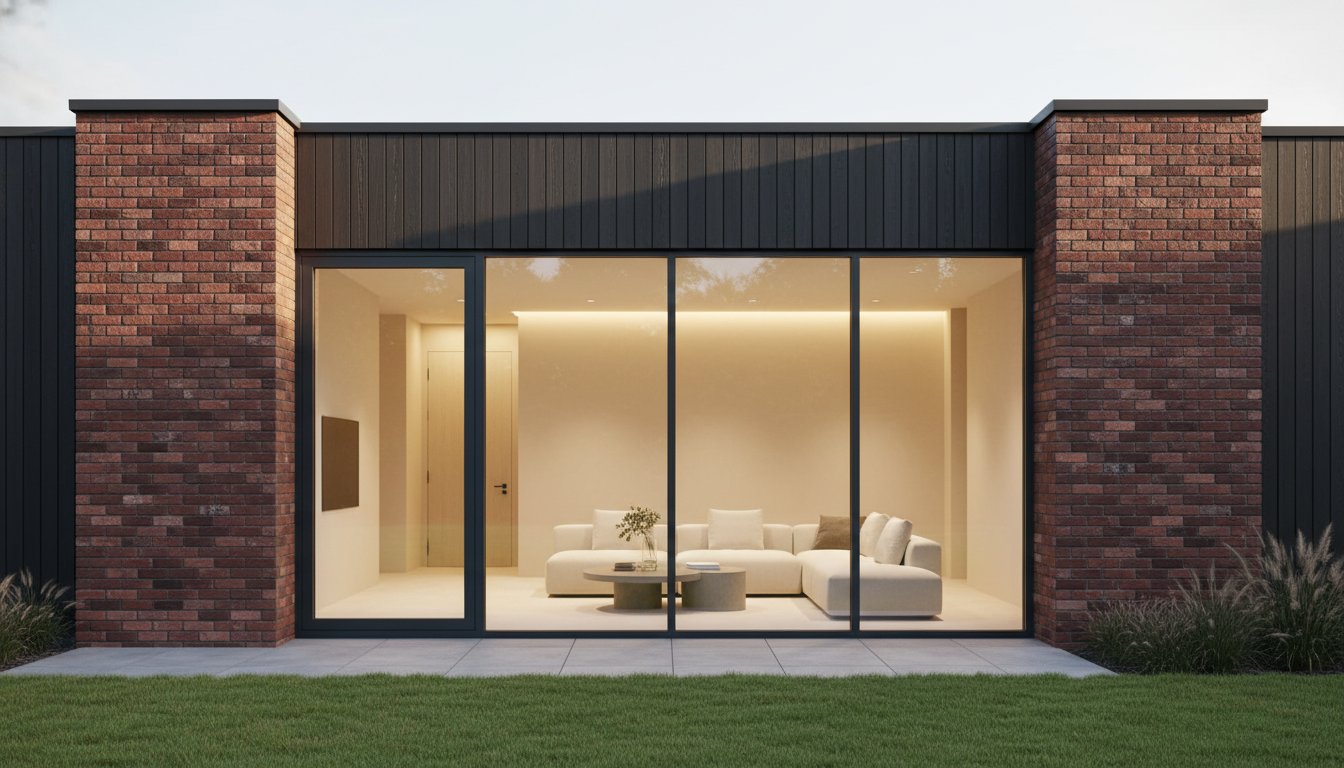
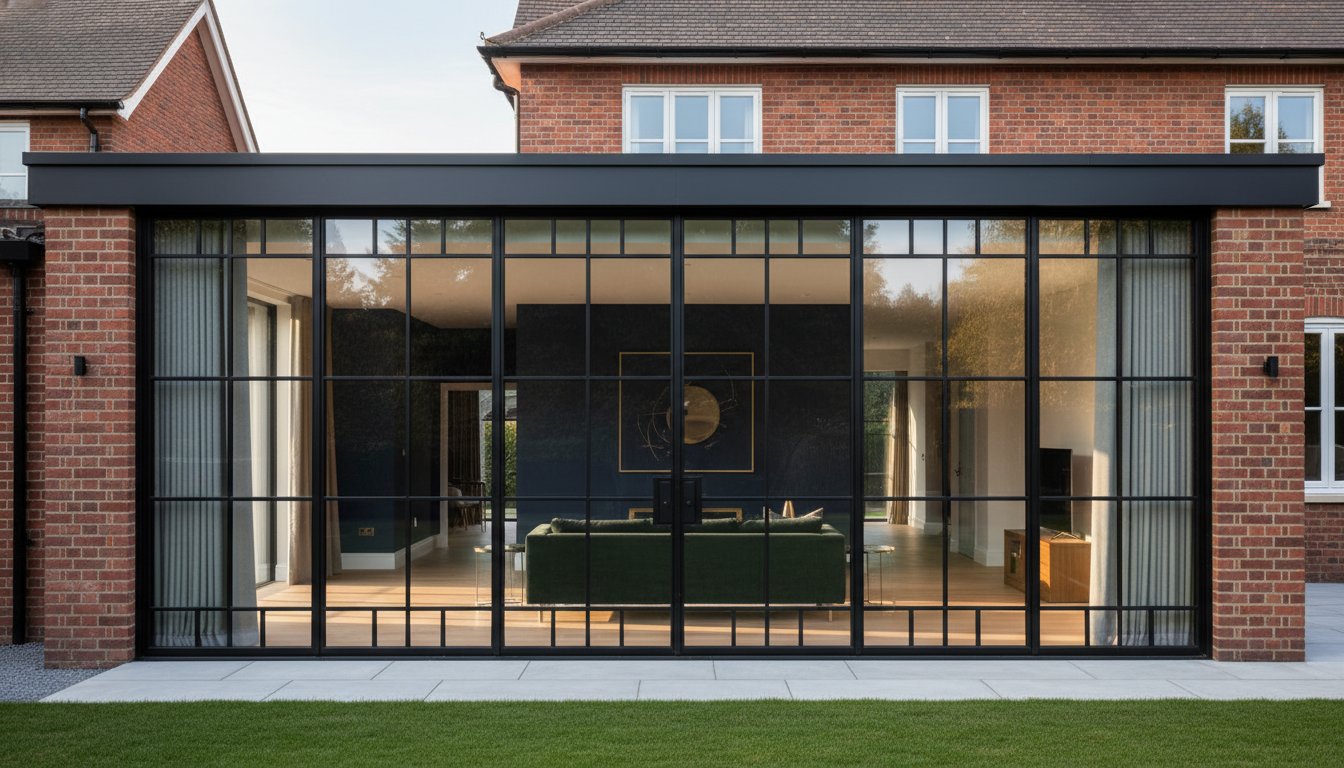
An Architectural canopy is a permanent, high-end structural addition designed to provide reliable overhead shelter for patios and terraces. In the context of British home design, this isn't a temporary garden fixture; it's a precision-engineered extension of your living space. A glass room takes this foundational canopy and encloses it with non-thermal glass wall systems. Deciding between a canopy or glass room often depends on whether you seek an open-air transition to your garden or a protected, transparent haven that shields you from the wind whilst maintaining a panoramic view.
Choosing aluminium as the structural core is a strategic decision for the UK climate in 2026. Unlike timber, which requires intensive maintenance, or lightweight plastics that can buckle under heavy snow loads, aluminium offers an uncompromising strength-to-weight ratio. With 87% of UK households now having access to a garden and a growing trend toward "weather-ready" design, these structures serve a vital purpose. They extend the "outdoor season" into early spring and late autumn, providing the lifestyle benefits of an extension without the prohibitive cost or lengthy timelines of traditional construction.
The Aesthetic of Modern Aluminium Structures
Modern architectural systems prioritise slimline profiles that minimise visual obstruction and maximise light. Our consultative "White Glove" approach ensures that every structure integrates seamlessly with your home's existing architecture through bespoke sizing and precision colour matching. These systems are frequently designed to complement high-performance aluminium sliding doors, creating a unified aesthetic across the entire rear elevation. The result is a sophisticated, coordinated look that enhances property value by providing the "outdoor room" experience currently favoured by 2026 market trends.
Canopy vs Glass Room: At a Glance
A canopy offers an "open-air" feel, perfect for those who enjoy the sensation of being outdoors whilst remaining dry during a summer shower. A glass room provides a "sheltered haven" from the elements, allowing for comfortable use even during blustery days. One of the most significant advantages of our systems is modularity. You don't have to commit to a fully enclosed space immediately. Many clients begin with a high-performance canopy and choose to add glass sliding or folding walls at a later date. This phased approach makes the investment manageable whilst ensuring the structural foundation is already engineered to handle the lateral loads of a fully enclosed system.
The Evolution: Turning an Aluminium Canopy into a Glass Room
A glass room isn't a static, pre-fabricated box. It is the result of a deliberate, modular evolution that often begins with a high-performance aluminium canopy. This phased approach allows you to invest in a premium foundation today whilst retaining the flexibility to upgrade your environment tomorrow. Understanding the technical journey from a canopy or glass room ensures that your initial investment is engineered to support future enhancements without compromising structural integrity.
Precision engineering meets lifestyle flexibility. The transition involves four critical technical stages:
- The Foundation: We ensure the aluminium frame is engineered to handle significant lateral loads. A standard canopy only manages vertical weight; a frame destined to become a glass room must resist the wind pressure exerted on large glass side panels.
- The Roof Glazing: Whilst polycarbonate is a budget-friendly entry point, laminated safety glass is the gold standard for 2026. It provides superior acoustic insulation during British rainstorms and maintains crystal-clear aesthetics for decades.
- Side Enclosures: This stage transforms the structure. By integrating frameless sliding glass or bifolding systems, you create a weather-protected envelope that maintains a 360-degree connection to your garden.
- Climate Control: Modern standards require more than just glass. We integrate automated awnings and dimmable LED lighting into the rafter profiles to manage solar gain and create evening ambience.
Whilst many canopy installations fall under permitted development, fully enclosing the space may change its regulatory classification. Consulting the official UK planning permission guidelines is a vital step we handle during the initial diagnostic phase to ensure your project remains compliant. You can book a design consultation to explore how these modular components fit your specific architectural requirements.
Integrating Frameless Sliding Glass Systems
Frameless glass panels are the defining feature of a sophisticated glass room. These systems preserve uninterrupted garden views whilst providing essential wind protection. Unlike traditional hinged doors that require a wide opening arc, sliding panels stack neatly to one side, maximising usable floor space. For homeowners seeking a more robust thermal break or a specific heritage aesthetic, aluminium bifolding doors offer an excellent alternative side enclosure, providing a wider clear opening during the height of summer.
The Role of Integrated Shading
Effective heat management is achieved before sunlight touches the glass. External awnings are significantly more effective than internal blinds because they reject solar energy before it enters the room. In 2026, premium systems utilise intelligent sensors that automatically deploy shading based on sun intensity or retract the fabric when wind speeds exceed safety thresholds. This proactive climate control ensures the space remains a comfortable sanctuary rather than a heat trap during the warmer months.
Canopy or Glass Room: Choosing the Right System for Your Lifestyle
Selecting between a canopy or glass room is rarely a matter of finding the "better" product. It is a diagnostic process that balances your architectural environment with your specific lifestyle ambitions. Whilst both systems offer premium overhead protection, the distinction lies in how you intend to interact with the British elements. A standalone canopy provides a high-performance shelter for active outdoor use, whilst a glass room creates a protected envelope that extends your seasonal usage well into the cooler months.
| Feature | Aluminium Canopy | Glass Room | Wintergarden |
|---|---|---|---|
| Primary Usage | Outdoor Dining / BBQ | Extended Garden Lounge | Year-round Living Space |
| Thermal Profile | Uninsulated | Non-thermal Solar Gain | Full Thermal Break |
| Planning Ease | High (Usually PD) | High (Permitted Development) | Moderate (Full Regs) |
| Usage Reality | 2-Season | 3-Season Plus | 4-Season |
In the UK, the "Four-Season" claim is often reserved for thermally broken wintergardens that function as full home extensions. A glass room is a "Three-Season Plus" space. It captures solar energy through its glass walls, warming up rapidly on crisp, sunny autumn days. A common misconception is that a glass room is merely a "cold conservatory". In reality, it is a sophisticated, unheated buffer zone. It isn't designed to be a primary living room in January, but rather a high-performance garden sanctuary that remains dry, clean, and significantly warmer than the ambient outside temperature. For those considering more permanent structures, checking the UK planning permission for extensions is an essential step to determine if your project falls under permitted development rights.
When to Choose a Canopy
A standalone canopy is the ideal solution for homeowners who prioritise an unobstructed, fluid connection to their garden. If your primary goal is to protect an outdoor kitchen or a bespoke BBQ area, the open-sided nature of a canopy ensures smoke and heat dissipate naturally whilst keeping you dry. These structures benefit from a shorter installation timeline, often completed in just one or two days by our specialist teams. It's the perfect choice for those who value the "al fresco" lifestyle but require a reliable shield against unpredictable British summer showers.
When the Glass Room is Superior
If your property occupies a windy or exposed site, the side protection offered by a glass room is essential. It transforms a blustery patio into a calm, dedicated garden lounge where furniture and textiles remain protected from the elements year-round. Beyond personal comfort, glass rooms provide an exceptional environment for overwintering delicate plants. The unheated but sheltered nature of the space prevents frost damage whilst providing maximum light, creating a functional "orangery" aesthetic that adds significant lifestyle value to your property.
Technical Considerations: Planning, Surveying, and UK Weather
Engineering precision is the silent guardian of any premium architectural addition. When deciding between a canopy or glass room, the technical specifications must account for the specific geographic challenges of your site. Unlike temporary structures, permanent aluminium systems are designed to meet stringent UK snow and wind load requirements. A professional survey is the first step in this process; it ensures that every millimetre of the host wall and patio is mapped with accuracy. Our "White Glove" surveying approach eliminates manufacturing errors by identifying potential obstructions, such as drainage pipes or uneven brickwork, before the production phase begins.
British weather is notoriously unpredictable. In 2026, climate-resilient design is no longer optional. A structure engineered for exposed coastal locations may require different structural reinforcement than one situated in a high-altitude area prone to heavy snowfall. We prioritise structural integrity by calculating the exact pressure your structure will face during peak winter storms. This methodical planning prevents the structural fatigue often seen in budget alternatives, providing you with a secure, long-term investment that remains uncompromising in the face of the elements.
Planning Permission for Glass Structures
Most aluminium canopies and glass rooms fall under Permitted Development rights, meaning they don't require a full planning application. To qualify, the structure must be single-storey and not exceed 4 metres in height. If you're building within 2 metres of a boundary, the height limit is typically reduced to 3 metres to protect the amenity of your neighbours. Glass rooms often benefit from different regulatory pathways than traditional brick extensions because they are technically classified as unheated, non-habitable spaces separated from the main house by external-quality doors. We provide transparent, expert advice during the consultation phase to ensure your project complies with all local authority guidelines from the outset.
Drainage and Structural Integration
Seamless architectural integration requires more than just a colour match. Modern systems utilise integrated guttering and internal downpipes hidden within the support posts to maintain a sleek, minimalist aesthetic. This prevents the unsightly external plumbing often found on lower-quality conservatories. Whether fixing to a suitable host wall or utilising a freestanding goalpost frame for homes with complex elevations, the structural interface must be flawless. The precision required for the structural frame must mirror the exact tolerances used when installing bespoke aluminium windows, ensuring a seamless interface between the new structure and the existing masonry.
To ensure your technical requirements are handled with professional rigour, you can book a design consultation with our technical team today.
The White Glove Journey: From Consultation to Handover
The Fenestration Studio operates as a professional mentor for homeowners seeking architectural excellence. We've built our reputation on a dual identity: a family-run business that provides national reach whilst maintaining the precision of a high-end consultancy. Choosing a canopy or glass room is a significant investment in your property's future. It requires a partner who prioritises long-term integrity over short-term sales targets. Our process is unhurried and methodical. It begins with a diagnostic design consultation where we focus on aesthetic integration rather than high-pressure tactics. We believe in providing the security of expertise; we're often honest about industry pitfalls or financial risks associated with sub-standard materials.
The "White Glove" installation process elevates the project from a standard construction task to a premium service experience. Our teams are trained to work with surgical precision, ensuring your home remains clean and respected throughout the build. This isn't a generic supply-and-fit arrangement. It's a structured journey where every bracket, seal, and glass panel is handled with professional rigour. For 2026 builds, we've refined our handover process to include a comprehensive maintenance guide and dedicated aftercare, ensuring your structural addition performs as intended for decades.
National Reach with a Personal Touch
The Fenestration Studio operates nationwide, yet we refuse to adopt the impersonal nature of large-scale corporations. By utilising expert, regional installation teams, we ensure that local knowledge and practical experience are applied to every project. This model allows us to maintain a family-run feel whilst adhering to the highest industry standards across the UK. Our consultative approach is defined by advocacy; we provide transparent advice on "what not to buy", steering clients away from lightweight systems that fail to meet the £7.7 billion UK landscaping industry's rising standards for durability and weather-readiness.
Securing Your Investment
The durability of premium aluminium is incomparable to cheaper uPVC alternatives, which often suffer from thermal expansion and structural fatigue. A project managed by The Fenestration Studio is an uncompromising commitment to quality. Upon completion, we provide a professional handover that includes a detailed maintenance guide to protect your warranties and ensure the longevity of the moving parts. This methodical approach ensures your garden space remains a high-performing asset that can increase property value by up to 20% according to 2026 market data. We invite you to book a design consultation for a tailored assessment of your architectural requirements.
Elevating Your Home with Architectural Integrity
Choosing between a canopy or glass room represents more than a simple aesthetic addition; it is a strategic investment in how you inhabit your outdoor environment. We have explored the technical necessity of aluminium engineering, the modular path from shelter to enclosure, and the importance of navigating UK planning regulations with professional guidance. By prioritising architectural integrity over budget compromises, you ensure your garden space remains a functional sanctuary regardless of the unpredictable British weather.
As a family-run business established in 2021, The Fenestration Studio remains dedicated to delivering premium aluminium architectural glazing with uncompromising precision. Our nationwide "White Glove" installation service provides the security of expert craftsmanship from the initial survey to the final handover. If you are ready to transform your patio into a high-performance living area, Request a tailored quote for your garden project via our specialist team. We look forward to helping you realise the full potential of your home.
Frequently Asked Questions
Do I need planning permission for a glass room in the UK?
Most glass rooms fall under Permitted Development rights and don't require a formal planning application. This typically applies if the structure is single-storey, does not exceed 4 metres in height, and covers less than 50% of the land around your original house. If you build within 2 metres of a boundary, the height is usually restricted to 3 metres. Properties in conservation areas or listed buildings will always require a consultation with the local planning authority.
Is a glass room the same as a conservatory?
A glass room is technically distinct from a conservatory because it is a non-thermal, unheated structure. Whilst conservatories are often designed as permanent, heated extensions, glass rooms prioritise a "three-season" lifestyle with maximum transparency and slimline aluminium profiles. They are classified as non-habitable spaces, which often simplifies the building regulations process. They act as a high-performance buffer between your home and the garden rather than a primary living room.
Can I add glass sliding doors to my canopy at a later date?
You can add glass sliding doors to your system later if the original aluminium frame is engineered for modularity. Choosing between a canopy or glass room doesn't have to be a final decision during the initial installation. By ensuring the foundation posts and rafters are designed to manage the lateral loads of glass panels, you can start with a simple overhead shelter and enclose the sides as your requirements evolve.
Are glass rooms too hot in the summer?
Glass rooms remain comfortable during the summer months when equipped with integrated shading and proper ventilation. Because glass naturally creates solar gain, we recommend external awnings that reject heat before it enters the room. When the frameless glass walls are slid open, the structure functions as a ventilated pavilion. This prevents the "greenhouse effect" often associated with older uPVC conservatories that lack modern climate control features.
How much does a bespoke aluminium canopy cost to install?
The investment for a bespoke aluminium canopy depends on several technical factors, including the structural span, the choice of roof glazing, and site-specific requirements like drainage integration. Every project is custom-engineered to the millimetre to ensure seamless architectural integration with your home. We provide transparent, itemised quotes following a professional technical survey. This ensures you receive a fixed cost for a premium, long-term addition rather than a generic estimate.
What is the difference between a glass room and a wintergarden?
The primary difference is the thermal break; a glass room is a non-thermal system, whilst a wintergarden is a fully insulated extension. Wintergardens utilise double-glazing and thermally broken aluminium to function as a year-round habitable space. Glass rooms use single-glazing and non-insulated profiles, making them an ideal choice for homeowners who want a protected garden lounge without the significant construction costs and regulatory complexity of a full thermal extension.
Can a glass room be freestanding in my garden?
A glass room can be installed as a freestanding structure using an independent "goalpost" frame. This configuration is perfect for creating a detached garden lounge, a poolside pavilion, or a dedicated cigar room away from the main house. Whilst most systems are lean-to designs fixed to the property, a freestanding system offers complete architectural freedom. It requires specialist structural engineering to ensure it remains secure against UK wind and snow loads without support from an existing wall.
How do I clean and maintain an aluminium glass room?
Maintaining an aluminium glass room is simple due to the durable powder-coated finish of the frame. We recommend cleaning the aluminium profiles twice a year with warm, soapy water and a soft cloth to remove environmental pollutants. The glass panels can be cleaned with standard household glazing products. It is also vital to keep the integrated guttering clear of debris to ensure the internal downpipes continue to manage rainwater efficiently throughout the year.