Did you know that approximately 12% of domestic planning applications in England were refused in 2023, often due to avoidable technical oversights or poor architectural specification? It's a sobering statistic for anyone looking to invest significantly in their property. Most homeowners rightly view a build as a way to enhance their lifestyle, yet the fear of planning refusal or the anxiety of commissioning a rogue builder can quickly turn a dream project into a source of immense stress. We understand that you want more than just extra space; you want a seamless transition from concept to completion.
This is why we've developed one of the most comprehensive extension planning guides for homeowners available today. Our expert-led handbook empowers you to master the complexities of building regulations, structural surveys, and high-end architectural glazing with absolute confidence. You'll learn how to navigate the professional sequence of a build and understand why a "White Glove" service partner is essential for maintaining quality. We provide a clear roadmap that covers everything from initial fenestration design to the final site sign-off, ensuring your 2026 project is defined by architectural excellence rather than expensive mistakes.
Key Takeaways
- Learn how to transform a vague vision into a strategic roadmap, ensuring your new space—be it a kitchen-diner or home office—is defined by purpose and budget from the outset.
- Navigate the 2026 legal landscape with confidence, distinguishing between Permitted Development rights and the latest Building Regulations regarding thermal performance and overheating.
- Discover why high-end fenestration should dictate your architectural blueprint, comparing the aesthetic impact of slimline aluminium sliding doors against traditional bifold systems.
- Avoid the common "cheapest quote" trap by using professional extension planning guides for homeowners to select specialist fenestration studios over general builders.
- Understand the critical importance of millimetre-perfect technical surveys and bespoke manufacturing lead times to ensure a seamless, "White Glove" installation.
Defining Your Vision: The Essential First Steps in Extension Planning
Successful projects begin with a clear framework. Extension planning guides for homeowners are more than simple checklists; they are strategic roadmaps designed to mitigate risk and ensure architectural cohesion. Before any ground is broken, you must define the primary purpose of your new space. Whether you require a high-specification kitchen-diner, a dedicated home office, or a "broken-plan" living area that balances open space with privacy, your intent dictates every subsequent technical decision.
Every premium extension relies on a "Golden Thread" of design. This concept ensures the new addition feels like a deliberate evolution of your existing property rather than an awkward attachment. Achieving this requires a deep understanding of your home's original character, from brickwork textures to rooflines. For homeowners looking ahead, setting a realistic 2026 budget is vital. Current industry data suggests allocating a 15% contingency fund specifically for unforeseen structural requirements or utility diversions. This financial buffer protects your project from the "expensive mistakes" that often derail poorly prepared builds.
Assessing Feasibility and Site Constraints
Technical precision at the site survey stage prevents delays. Evaluate your soil type and existing drainage runs, as these factors dictate foundation depth and cost. The orientation of the sun is equally critical; it directly influences your choice of thermal glazing and high-performance fenestration to prevent overheating. You must also identify potential "Party Wall" implications early. Under the Party Wall etc. Act 1996, notifying neighbours about work near boundaries is a legal necessity. Understanding Planning permission in the United Kingdom is essential here, particularly when distinguishing between "Permitted Development" rights and the need for a full planning application.
Creating a Detailed Homeowner Brief
A professional brief acts as your project's North Star. Draft a list of "non-negotiables," such as specific floor-to-ceiling heights or aluminium sliding doors, versus "nice-to-haves" that can be adjusted if the budget tightens. Focus on the internal flow and how the space functions during different seasons. A well-designed extension should feel as comfortable in December as it does in July. To keep your project on track, write a single sentence defining your aesthetic goal. For example: "A minimalist, light-filled glass box that connects the kitchen to the garden." This clarity allows your architect to deliver a bespoke solution that matches your lifestyle. If you are ready to move from vision to technical specification, you may book a design consultation to refine your requirements.
Navigating the Legal Landscape: Planning Permission and Building Regulations
Every successful project begins with a clear understanding of the legal framework. Navigating these rules prevents the expensive mistakes that derail approximately 15% of UK home improvements. As part of our extension planning guides for homeowners, we categorise the legal journey into two distinct paths: planning permission, which concerns the external appearance and impact on neighbours, and building regulations, which govern the technical health and safety of the build.
Understanding Permitted Development Rights
Many homeowners assume every brick laid requires a full planning application. This isn't the case. Permitted Development (PD) rights allow for specific extensions without a formal application, provided you stay within strict limits. For instance, a single-storey rear extension on a detached house cannot exceed 4 metres in height or extend beyond the rear wall by more than 4 metres. If you're building a side extension, it must not exceed half the width of the original house.
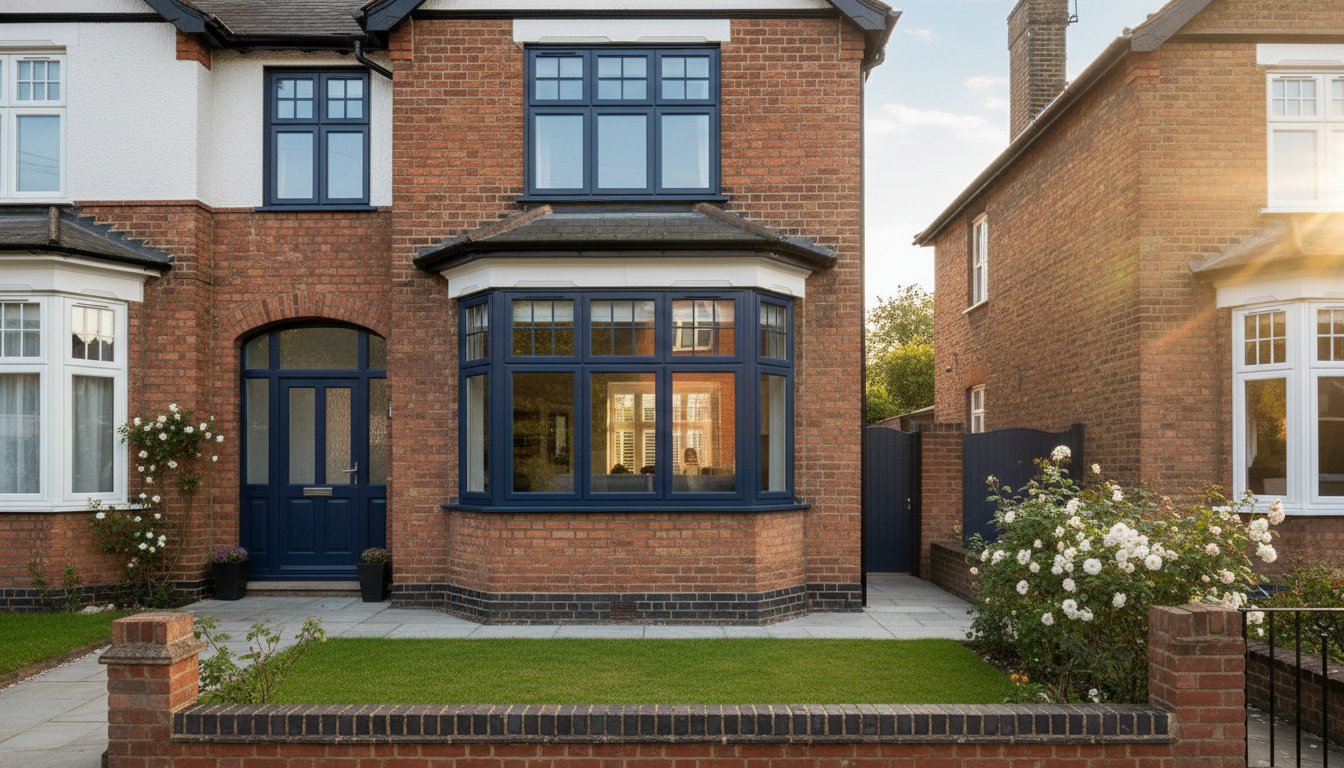
The Prior Approval process remains a vital middle ground for larger single-storey rear extensions between 4 and 8 metres. This "neighbour consultation scheme" allows the local authority to assess the impact on adjoining properties. If you live in a Conservation Area or an Area of Outstanding Natural Beauty, these rights are often restricted. Planning officers will scrutinise your choice of materials; high-specification aluminium windows must often match the existing architectural character to avoid a refusal based on visual impact.
Building Regulations and Thermal Performance
Compliance isn't optional. Building Regulations ensure the structure is safe and thermally efficient. The 2026 updates to Part L (Fuel and Power) have tightened U-value requirements significantly. New extensions now typically require windows and doors to achieve a U-value of 1.4 W/m²K or better to satisfy energy efficiency targets. High-performance aluminium frames utilise advanced thermal breaks to meet these rigorous standards without compromising on the slim sightlines homeowners desire.
Part O (Overheating) is equally critical for modern extensions. It limits the total area of glazing relative to the floor area to prevent solar gain from making the room uninhabitable during peak summer months. If your design includes expansive bifold or sliding doors, Building Control will demand structural calculations. These calculations ensure the steel lintels are specified to support the weight of the masonry and the glass across large-span openings.
- U-Values: A measure of heat loss; lower numbers indicate better insulation.
- Structural Integrity: Essential for openings exceeding 3 metres in width.
- Lawful Development Certificate (LDC): A document proving your project fell under PD rights.
Once the project is complete, obtaining an LDC is a non-negotiable step for future-proofing your investment. While not a legal requirement at the time of the build, 92% of solicitors will request this document during a property sale to prove the extension was lawful. It's your primary defence against enforcement action and ensures a smooth transaction when you eventually decide to move. Using a consultative approach to your initial design specification ensures these legal hurdles are cleared before the first spade hits the ground.

The Architectural Blueprint: Why Glazing Should Dictate Your Design
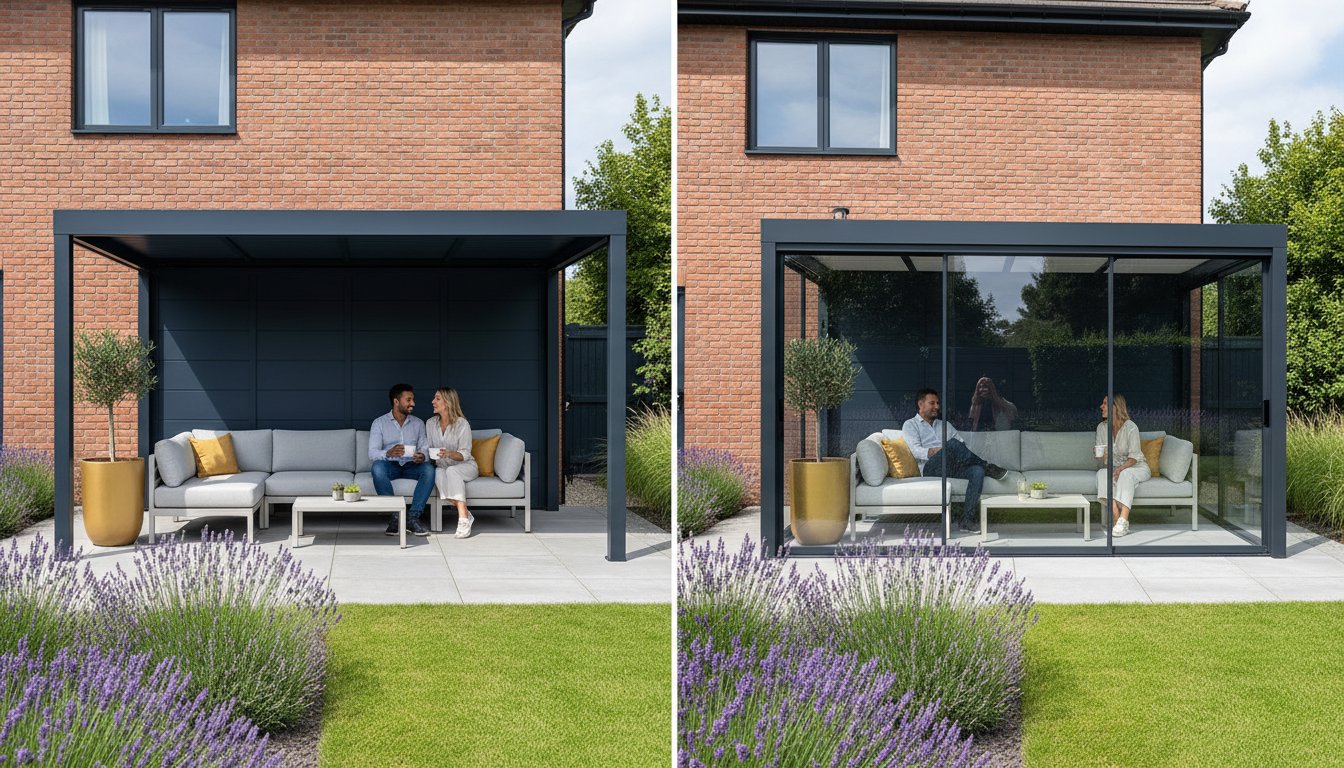
The most effective extension planning guides for homeowners often focus on floor space, yet the most successful projects begin with the aperture. The "view out" is frequently the primary catalyst for a British home extension. Homeowners don't simply want more square metres; they want to bridge the gap between their interior living space and the garden. For those seeking to maximize this indoor-outdoor flow, integrating a premium aluminium pergola from Pergola2Go can be a transformative addition that complements your architectural glazing. By prioritising fenestration at the earliest design stage, you ensure the structural framework supports your visual goals rather than obstructing them.
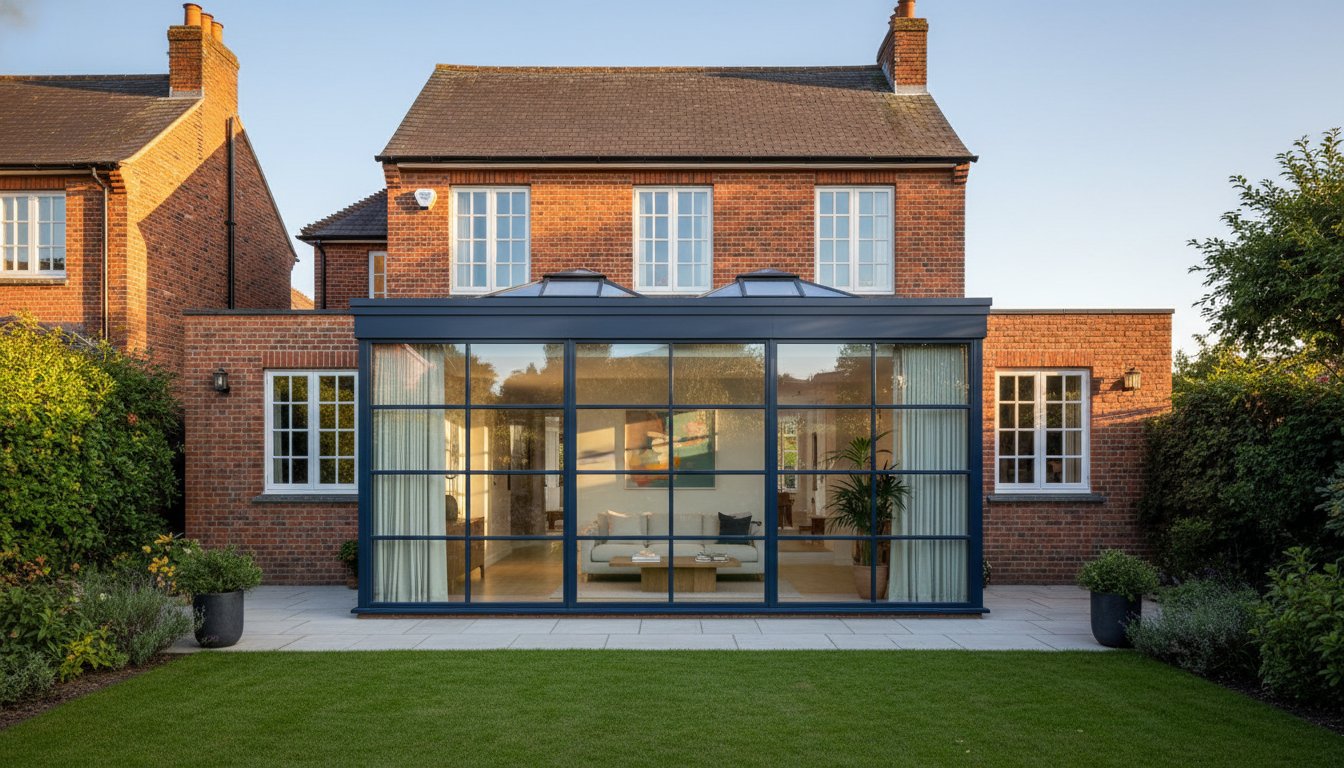
Modern engineering has dismissed the old trade-off between aesthetics and strength. High-grade aluminium sliding doors now feature sightlines as slim as 20mm, allowing for massive glass spans that don't compromise the building's integrity. There's a common misconception that "more glass" results in a cold, draughty room. This is a legacy of 1990s glazing. Today, polyamide thermal breaks and argon-filled units mean a 2026-specification glass wall often achieves U-values as low as 1.2 W/m²K. This is frequently more thermally efficient than the solid brick walls of the original Victorian or Edwardian property it's attached to.
Choosing Between Bifolds and Sliding Doors
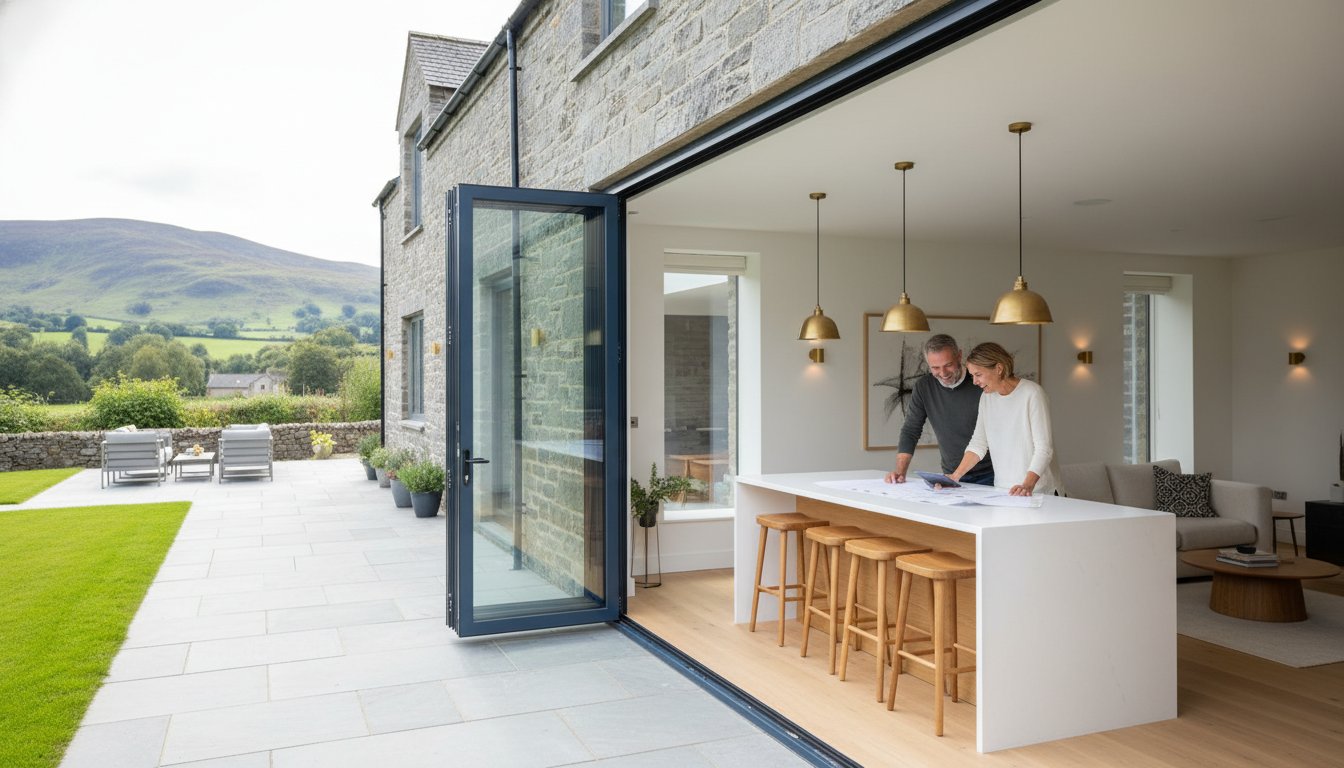
The choice between aluminium bifolding doors and sliding systems depends on your lifestyle priorities. Bifolds are the ultimate choice for summer entertaining, as they fold back entirely to provide a 100% clear opening. However, sliding doors are the preferred architectural choice for winter views. Because they have fewer vertical frames, they offer an uninterrupted "picture frame" effect during the months when the doors remain closed. To achieve a truly high-end finish, insist on a "flush threshold" design. This recesses the track into the floor, creating a seamless, level transition that eliminates trip hazards and blends the internal flooring with the external patio.
Integrating Roof Lanterns and Flat Rooflights
Deep floor plans in modern extensions can create "dark spots" in the centre of the home where natural light fails to reach. Integrating a roof lantern or a flat rooflight is the most effective way to flood these areas with overhead sun. Beyond the practical benefits, a roof lantern adds significant architectural height and a "wow factor" to a flat-roof extension. For hard-to-reach glazing, specify self-cleaning glass. This technology uses a microscopic hydrophilic coating that breaks down organic dirt through UV exposure, which is then washed away by rainwater. It's a vital specification for any 2026 extension planning guides for homeowners who value low-maintenance luxury.
Procurement and Partnerships: Selecting Your Build Team and Suppliers
Choosing the wrong partner is the most expensive mistake you can make. Whilst a low initial quote looks attractive on paper, it often hides a lack of technical depth. In 2024, industry data suggested that 31% of homeowners faced unexpected costs due to poor initial specifications. Extension planning guides for homeowners often overlook the critical distinction between a general contractor and a specialist fenestration studio. A general builder handles the brickwork and basic structure, often sourcing high-quality materials from suppliers like Essex Board & Timber; a specialist ensures your high-value architectural glazing actually fits and functions for the next 25 years.
This requires a "White Glove" approach to installation. It isn't just about fitting a frame. It's about precision engineering, protecting your site, and ensuring the thermal integrity of the building envelope. Before signing any agreement, you must verify their history. Research product reviews and scrutinise past project portfolios to see the quality of their finishes in real-world settings. Local Expertise. National Standards. This is the benchmark for a successful 2026 build.
The Value of a Consultative Design Partner
Precision matters. A specialist identifies structural clashes in architectural drawings long before the first spade hits the ground. They understand how frame depth impacts your floor finish or how a slimline profile interacts with your lintel. Seeing these products in person is vital to appreciate the tactile difference in powder-coated finishes. We recommend you book a design consultation during the initial planning phase. This prevents the "retro-fitting" headaches that plague poorly planned extensions.
Managing Contracts and Staged Payments
Protect your investment with a formal framework. Use standard industry contracts, such as those provided by the JCT (Joint Contracts Tribunal), to define responsibilities clearly. Never pay the full balance upfront. Payments should be staged and linked to verifiable project milestones, such as the completion of the structural opening or the weather-tight seal of the installation. Ensure every major installation is backed by an insurance-backed guarantee (IBG). This provides 10 years of security, providing peace of mind even if a contractor ceases trading.
Ready to ensure your project meets the highest technical standards? Request a quote from our expert team today.
From Technical Survey to Installation: The Final Stages of Your Project
The transition from a structural shell to a habitable, light-filled space relies entirely on the precision of the final fit. While most extension planning guides for homeowners focus on the initial architectural drawings, the technical survey is where the project’s success is actually secured. This phase involves millimetre-perfect measurements that go far beyond a standard builder’s tape measure. Because high-performance aluminium windows and doors are manufactured to order, there's zero margin for error. A single centimetre of deviation in the structural opening can lead to significant delays; these bespoke systems cannot be modified on-site.
Our "White Glove" installation methodology ensures that the logistical transition from the factory to your home is seamless. We coordinate lead times to align with your builder's schedule, ensuring the building is made watertight at the optimal moment. This methodical approach protects your investment and prevents the common "expensive mistakes" that occur when glazing is treated as an afterthought. Local Expertise. National Standards. This is our commitment to maintaining the integrity of your architectural vision.
The Precision of Professional Surveying
Builders often work to a tolerance of 10mm or more, but high-end fenestration requires absolute accuracy. Our surveyors assess the structural integrity of the aperture, floor levels, and drainage requirements before fabrication begins. Professional surveying reduces the risk of on-site modifications and ensures that structural openings are perfectly prepared to receive specialist frames. This rigour ensures your extension planning guides for homeowners aren't just theoretical, but practically achievable.
Final Handover and Quality Assurance
The final stage is a collaborative review of the completed installation. We conduct a detailed "snagging" process to ensure every seal is perfect and every frame is pristine. We demonstrate the operation of high-security locking systems on our entrance doors, which are engineered to meet PAS 24:2022 standards. Before the final sign-off, ensure you have completed this checklist for your Building Control officer:
- Operation Check: Verify that all sliding and bifold mechanisms move with minimal effort.
- Security Verification: Confirm all multi-point locks engage fully and keys operate smoothly.
- Weather Integrity: Inspect perimeter seals and drainage paths for correct alignment.
- Documentation: Collate your FENSA or CERTASS certification and warranty documents for Part L and Part Q compliance.
Aftercare is the final pillar of a successful project. Aluminium is exceptionally durable, but regular maintenance of tracks and hinges will preserve the smooth operation of your system for decades. By following these professional standards, you ensure your home extension remains a high-value asset rather than a maintenance burden.
Transforming Your Architectural Vision Into Reality
Successfully navigating a home extension in 2026 requires a disciplined approach to both design and regulation. By prioritising glazing within your initial blueprints, you avoid the structural compromises that frequently lead to budget overruns. Adhering to the latest Building Regulations, particularly the stringent thermal performance requirements of Part L, ensures your new space remains efficient and compliant for decades. Our extension planning guides for homeowners highlight that the difference between a stressful build and a seamless transformation lies in the precision of your partnerships.
As an independently run family business, we operate with a level of integrity that prioritises your project's long-term success over a quick sale. We specialise in high-performance, architectural aluminium systems, delivering a comprehensive White Glove Service that spans from the initial technical survey to meticulous aftercare. You don't have to face the complexities of the British planning landscape alone. Request a bespoke quote from our specialist team today and experience the confidence that comes with Local Expertise and National Standards. Your home deserves a legacy of quality that starts with the right technical framework.
Frequently Asked Questions
Do I need planning permission for a small rear extension in 2026?
You don't usually need planning permission for a small rear extension if the project falls within Permitted Development rights. For a single-storey structure, this means the extension must not exceed 4 metres in height or extend beyond the rear wall by more than 3 metres for semi-detached homes and 4 metres for detached properties. These national standards provide a streamlined route, though you should always verify local Article 4 directions that might restrict these rights.
How much does a typical 30-square-metre extension cost in the UK?
A typical 30-square-metre extension in the UK costs between £45,000 and £75,000 according to 2024 RICS construction data. This estimate reflects an average rate of £1,500 to £2,500 per square metre for a standard build. If you opt for premium architectural glazing or complex structural frameworks, costs can rise towards £90,000 depending on the specification of materials used.
Can I use Permitted Development if I live in a Conservation Area?
You can use Permitted Development in a Conservation Area, but the rights are significantly more restrictive than in standard zones. Local authorities often apply Article 4 directions which remove certain rights to protect the area's heritage character. This means changes like side extensions, exterior cladding, or specific fenestration upgrades often require a full planning application to ensure the aesthetic remains consistent with the local environment.
Is aluminium better than uPVC for large-scale extension glazing?
Aluminium is superior to uPVC for large-scale glazing because its inherent structural strength supports much slimmer frames and larger panes of glass. While uPVC is a functional insulator, it requires bulkier profiles that can obstruct your garden views. Aluminium frames offer a lifespan exceeding 45 years and provide the architectural rigidity needed for the expansive bi-fold or sliding doors featured in most extension planning guides for homeowners.
How long does the planning application process usually take?
The planning application process usually takes 8 weeks from the moment the local authority validates your submission. If your project is particularly complex or involves listed buildings, this statutory period can extend to 13 weeks. It's vital to submit accurate technical drawings and heritage statements early to prevent unnecessary delays during the council's consultation phase.
What is a Party Wall Agreement and when do I need one?
A Party Wall Agreement is a legal requirement under the Party Wall etc. Act 1996 if you're building on or near a boundary shared with a neighbour. You must serve a formal notice at least two months before work begins if you're excavating within 3 or 6 metres of their property. This document protects both parties by recording the condition of the neighbouring building before construction starts.
How do I ensure my extension stays warm in winter and cool in summer?
You ensure thermal comfort by specifying high-performance glazing with a U-value of 1.2 W/m²K or lower. Integrating solar control glass is essential as it can reflect up to 60% of external solar heat during the summer whilst retaining internal warmth when temperatures drop. This technical approach avoids the "greenhouse effect" and ensures your new living space remains habitable throughout the entire year.
What is the "White Glove" service in fenestration installation?
"White Glove" service in fenestration refers to a premium, consultative installation framework where every stage of the project is managed with absolute precision. It's a comprehensive approach that includes site protection, structural alignment by senior technicians, and a final post-installation valet. This service is a core part of professional extension planning guides for homeowners who prioritise a stress-free experience and a flawless architectural finish.