The cheapest quote you receive for your glazing project is almost certainly the most expensive one you'll ever pay for. It's a harsh reality in an industry where "budget" often translates to failing seals and poor thermal performance within three seasons. You've likely found yourself overwhelmed by opaque pricing whilst trying to calculate the average cost of new windows and doors UK projects require. It's frustrating to feel like you're gambling with your home's structural integrity because of technical jargon you didn't ask for.
This guide provides a transparent, authoritative breakdown of realistic 2026 pricing for premium fenestration. We've replaced the usual sales fluff with a professional specification framework that distinguishes between short-term fixes and long-term architectural investments. You'll learn exactly what a premium White Glove service costs and how to budget for a full-house replacement without the fear of making a costly mistake. We'll demystify U-values and thermal breaks whilst providing the clarity you need to choose a solution that lasts for decades.
Key Takeaways
- Understand how 2026 Building Regulations and updated energy efficiency standards are reshaping the UK glazing market and influencing initial project specifications.
- Compare the structural integrity and maintenance requirements of aluminium versus uPVC to determine the true total cost of ownership for your architectural investment.
- Identify realistic 2026 price brackets for a standard 3-bedroom semi-detached home to establish the average cost of new windows and doors UK for premium installations.
- Discover the "White Glove Service" model and learn how a professional survey prevents the "expensive mistakes" commonly associated with budget-driven quotes.
- Evaluate the long-term ROI of high-impact features like aluminium bifold and sliding systems to ensure your fenestration choices enhance both lifestyle and property value.
The 2026 UK Glazing Market: What Determines the Average Cost?
The 2026 landscape for UK fenestration is defined by a shift toward high-performance specifications. Determining the average cost of new windows and doors UK requires understanding that price is now inseparable from energy performance. By 2026, the legacy of the 2025 Future Homes Standard has become the baseline. Homeowners are no longer comparing simple glass in frames; they're investing in complex thermal systems. Understanding the intricacies of window design and construction is vital for any homeowner looking to avoid expensive specification errors.
Pricing varies significantly based on the service model you choose. A supply-only retail cost might appear attractive on a spreadsheet, but it often excludes the structural warranties and precision required for modern airtightness. We advocate for a full-service approach. This ensures that the high-specification frames you've selected perform as intended once integrated into your home's envelope. Local Expertise. National Standards.
Regulatory Shifts and Energy Efficiency
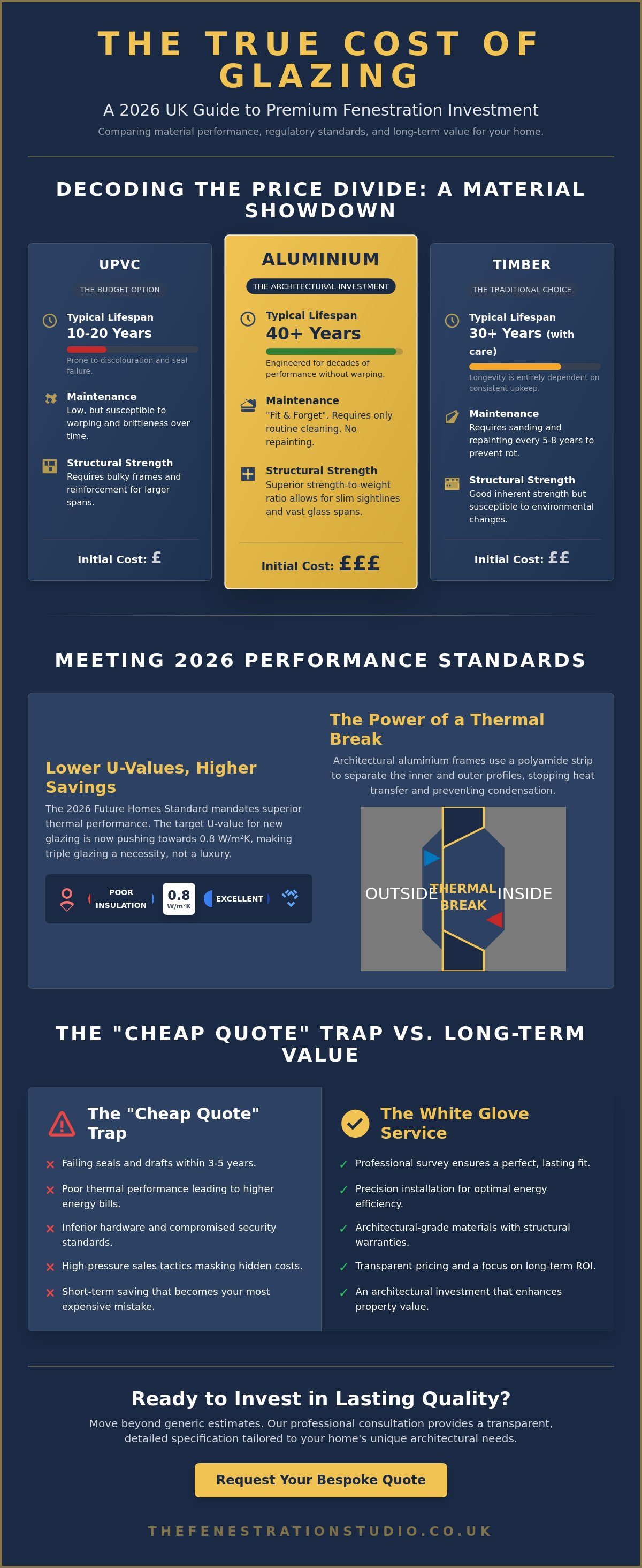
The 2026 U-value requirements have fundamentally moved the goalposts for manufacturers. With targets pushing toward 0.8 W/m²K for new installations, triple glazing has transitioned from a luxury upgrade to a standard budget consideration. This shift isn't merely about adding an extra pane of glass. It involves sophisticated argon gas fills and advanced spacer bars. In our aluminium products, the cost reflects enhanced thermal break technology. These polyamide strips prevent heat transfer across the frame, ensuring the slimline aesthetic doesn't compromise your home's thermal integrity.
The "Cheap Quote" vs. Long-Term Value
Lifecycle cost is the only metric that truly matters. A budget uPVC installation might last 10 to 12 years before seals fail or frames discolour, whereas architectural-grade aluminium is engineered for a 30 to 40 year lifespan. We often see homeowners fall for high-pressure sales tactics or "buy one get one free" deals that mask inferior hardware and poor security standards. These are among the "7 Mistakes" we highlight to protect our clients from expensive future repairs.
- Structural Integrity: Premium frames resist warping and expansion, even in south-facing elevations.
- Security Standards: Architectural-grade fenestration includes multi-point locking systems as standard.
- White Glove Service: Our installation framework prioritises precision, cleanliness, and long-term reliability.
Establishing a baseline for your project starts with transparency. If you're ready to move beyond generic estimates and require a detailed specification, you can request a quote tailored to your property's unique requirements. We provide a methodical, unhurried consultation process to ensure your investment delivers both aesthetic beauty and measurable energy savings.
Decoding the Price Divide: Aluminium vs. uPVC and Timber
Understanding the average cost of new windows and doors UK requires a perspective that extends beyond the initial quote. The price gap between materials reflects more than just brand names; it represents a fundamental difference in structural capability and long-term financial performance. Aluminium sits at the premium end of the market because its inherent strength allows for slimmer sightlines and expansive glass spans that uPVC simply cannot support without bulky reinforcement. While uPVC remains a popular entry-level choice, its typical 20-year lifespan is significantly shorter than the 45-year durability expected from high-grade aluminium profiles.
Maintenance requirements directly impact the total cost of ownership. Timber frames, though aesthetically pleasing, demand consistent investment; they require sanding and repainting every five to eight years to prevent rot. Aluminium offers a "fit and forget" solution, requiring only a routine wipe-down to maintain its integrity. From an environmental standpoint, aluminium is a circular material. Roughly 75% of all aluminium ever produced is still in use today, making it the superior choice for homeowners prioritising sustainability alongside structural rigour.
The Aluminium Advantage in 2026
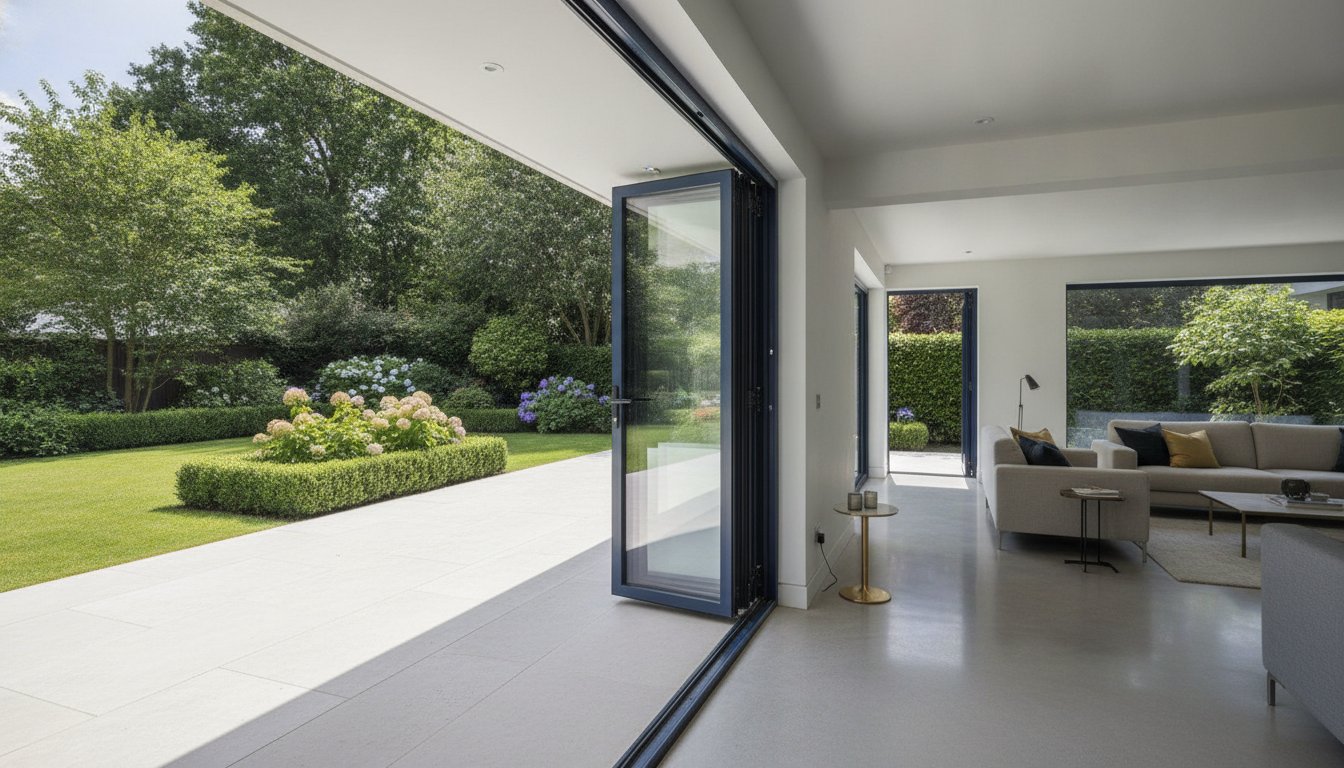
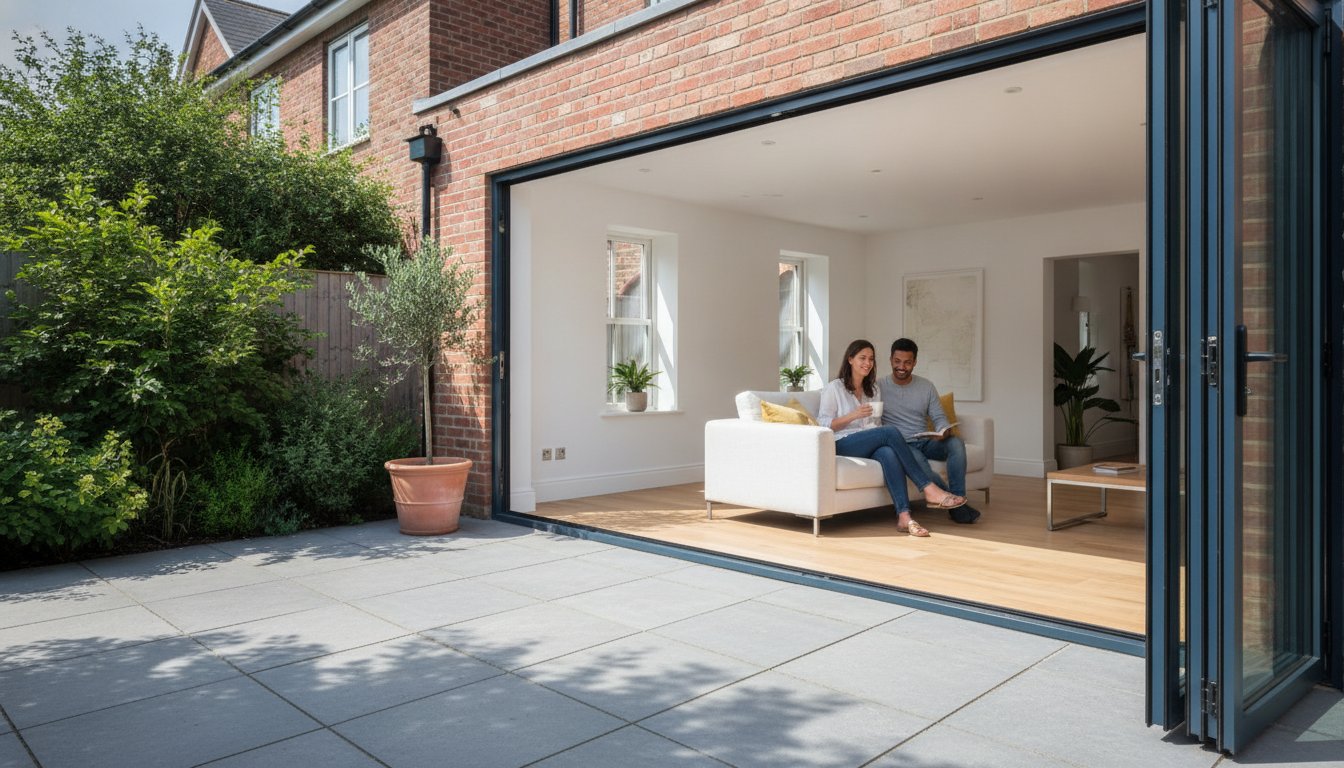
Modern extensions in 2026 are defined by seamless transitions between internal and external spaces. Premium aluminium bifold and sliding doors have become the architectural benchmark for these projects. Price variations in this category are often driven by finish. While standard RAL colours like Anthracite Grey remain cost-effective, bespoke textured finishes or dual-colour options (different colours inside and out) typically command a 15% to 20% price premium. You can explore our premium aluminium products to see how these specifications influence modern design.
Heritage and Specialist Glazing
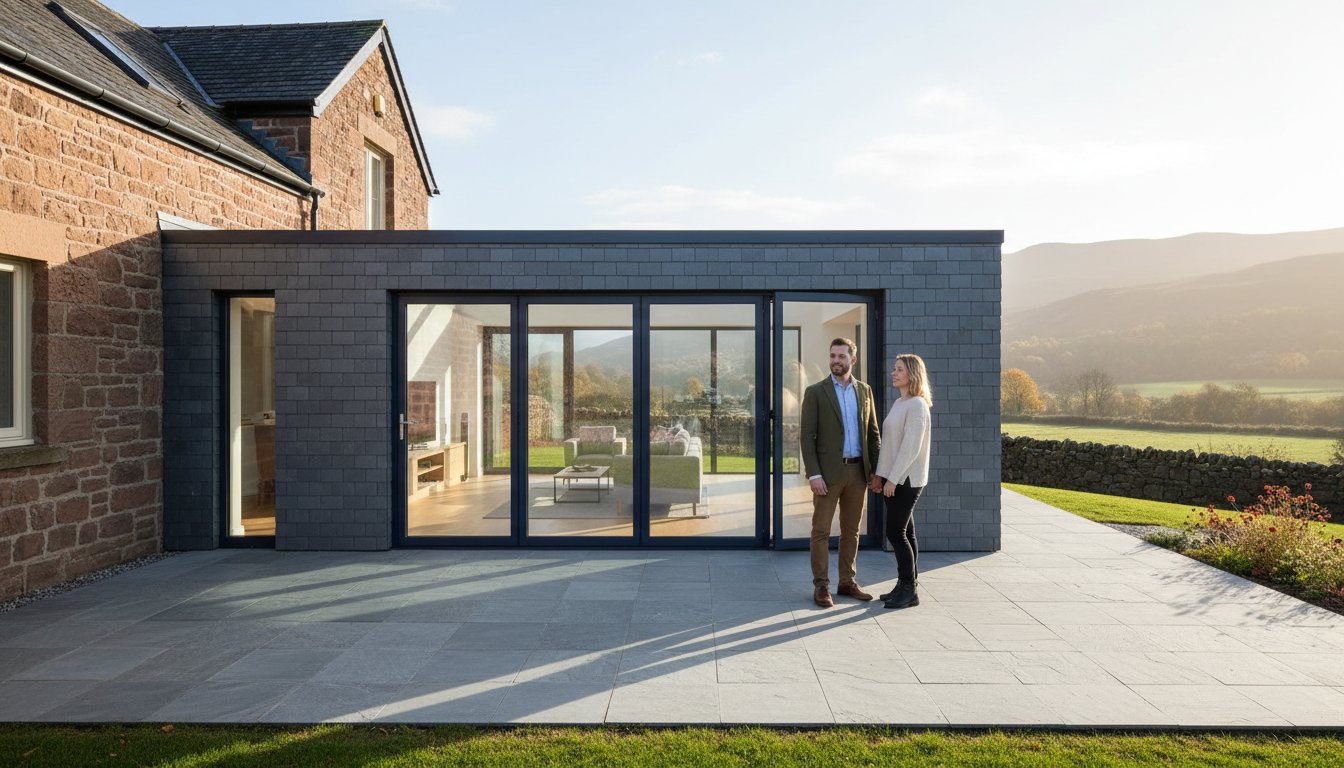
Properties in conservation areas face unique challenges that influence the average cost of new windows and doors UK. Achieving the "Heritage" look with modern thermal performance requires sophisticated engineering. Specialist Heritage style windows and doors use ultra-slim aluminium profiles to mimic traditional steel or timber frames while meeting strict UK Building Regulations regarding insulation and safety. This technical complexity often results in a higher price point than standard residential glazing, but it's essential for maintaining property value in protected locales. Timber-alternative aluminium is now a major trend, offering the warmth of wood with the precision of a high-performance framework.
Choosing the right material is the first step in avoiding expensive installation mistakes. If you're ready to define the specification for your project, you might find it helpful to request a bespoke quote tailored to your home's unique architectural requirements.
The Anatomy of a Premium Fenestration Quote
A transparent quote is more than a final figure; it's a technical roadmap for your home's transformation. When you investigate the average cost of new windows and doors UK homeowners often find that budget-tier quotes exclude vital components. A "White Glove Service" model accounts for the entire project lifecycle, from architectural consultation to final structural sign-off. Standard installations frequently ignore the "making good" phase. This leaves you with internal plasterwork repairs or external sealant issues that add hidden costs later.
Premium quotes prioritise precision over speed. They don't just list products; they detail the methodology of the installation. This methodical approach builds confidence. It ensures that the investment you make in 2026 remains high-performing for decades. Local Expertise. National Standards. This is the framework of a reliable partnership.
Professional Surveying and Technical Specs
A professional survey is non-negotiable. It's the primary barrier against expensive mistakes. During this phase, a qualified technician assesses aperture tolerances and load-bearing requirements. Precise measurements, often taken to the nearest millimetre, reduce the risk of structural issues during fitting. For bespoke glazing, technical specification fees cover the engineering of energy-efficient windows and doors that comply with the latest UK Building Regulations. Having a dedicated project manager for nationwide installations ensures that every detail, from site access to waste removal, is handled with professional rigour.
Installation Standards and Aftercare
There's a fundamental gap between a general "fitter" and a specialist fenestration technician. A technician understands the thermal expansion properties of high-grade aluminium and the complexities of modern multi-point locking systems. When researching providers, check product reviews specifically for mentions of installation quality and site cleanliness. A premium quote always includes a robust 10-year guarantee and an accessible aftercare service. If a company doesn't include "making good" as standard, the average cost of new windows and doors UK will rise as you hire secondary trades to finish the job. Expert mentors don't leave projects half-finished; they ensure the finish is as precise as the engineering.
Estimating Your Project: Realistic Price Brackets for UK Homes
Precision is vital when calculating the average cost of new windows and doors UK homeowners can expect in 2026. For a standard three-bedroom semi-detached property requiring approximately eight windows and two external doors, a premium aluminium specification typically starts from £18,000. This figure reflects the architectural grade of materials and the professional installation standards required for long-term performance. Costs scale upward based on the complexity of the fenestration and the chosen technical specifications.
Averaging the Cost of Doors
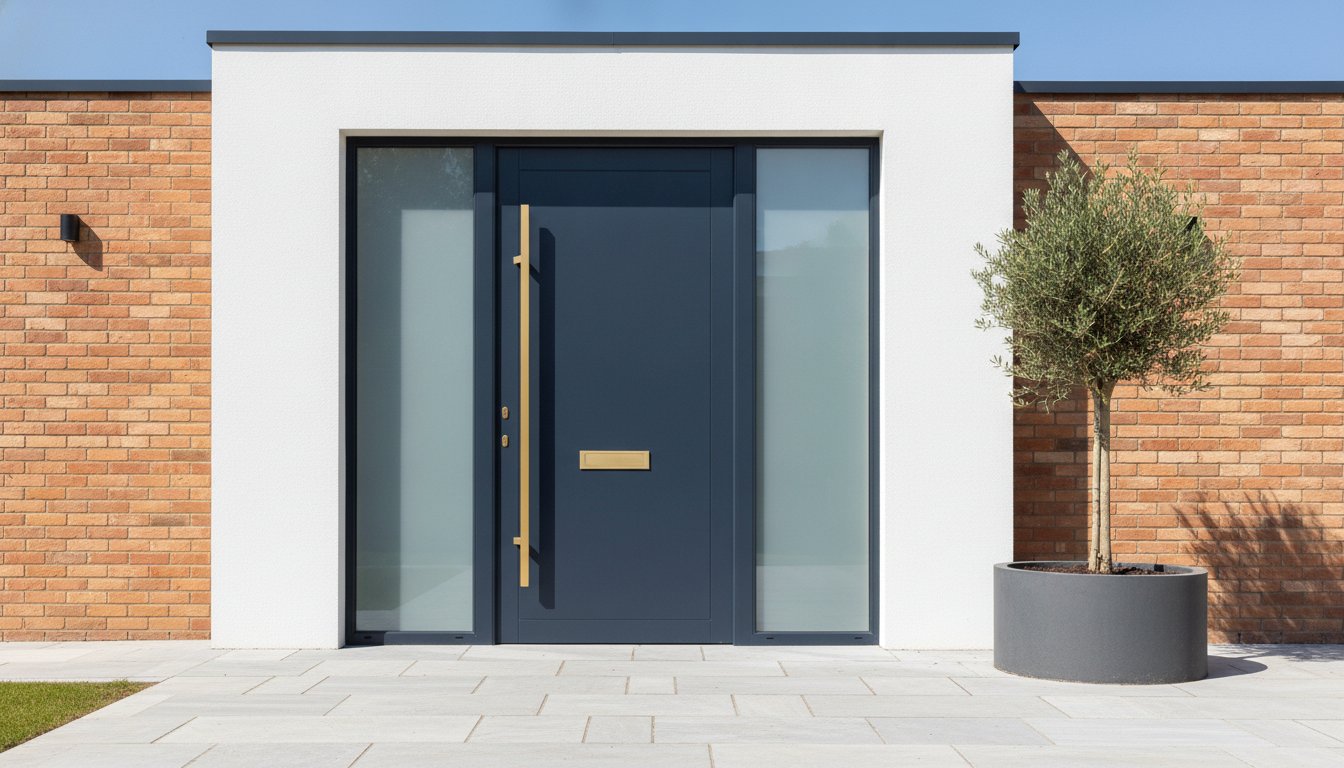
Investing in premium aluminium front doors involves more than aesthetics; it's a structural and thermal upgrade. These systems command a higher price point than standard composite alternatives due to their superior rigidity and bespoke finishes. When connecting internal spaces to the garden, the choice between Aluminium bifold doors and large-scale sliding doors is a major budget driver. Large-scale sliding systems often carry a premium because of the massive glass panes and specialised track hardware required. If your design includes corner sliding doors, the investment increases significantly. These require complex structural support and precision engineering to ensure the corner remains weather-tight and effortless to operate.
Window Replacement Estimates
The cost per aperture for architectural-grade aluminium windows varies based on the opening mechanism. Standard casement windows are the most cost-effective architectural choice. Transitioning to Tilt & Turn systems adds technical complexity and cost, yet offers superior ventilation and cleaning access. Glazing choices also shift the final invoice. Specifying acoustic glass for road noise reduction or solar control glass for south-facing elevations can add 15% to 25% to the glass cost. These upgrades are essential for comfort but must be factored into the initial average cost of new windows and doors UK projections.
Beyond the products themselves, several structural factors influence the final project cost:
- Scaffolding: A standard two-storey home usually requires £800 to £1,500 for safe access.
- Structural Alterations: Widening an opening for a sliding door requires new lintels and building control inspections.
- Rooflights: Adding a high-performance roof lantern to an extension adds between £2,000 and £5,000 depending on the thermal specification.
- Disposal: Professional removal and ethical recycling of old frames is a standard part of a premium service.
Don't leave your project to chance. Book a professional design consultation to receive a bespoke technical specification and accurate pricing for your home.
Avoiding the "Cheap Quote" Trap: Ensuring Your ROI
Selecting the lowest estimate often creates a false sense of economy. Whilst the average cost of new windows and doors UK homeowners encounter varies, a "bargain" price frequently signals compromises in material specification or installation precision. Homeowners often fall into seven common traps: ignoring U-values, overlooking structural reinforcement, accepting substandard hardware, neglecting drainage paths, skipping insurance-backed guarantees, failing to verify surveyor qualifications, and dismissing the long-term maintenance costs of inferior PVCu or aluminium. A quote that sits 20% below the market average usually hides these deficiencies, leading to seal failures or mechanical issues within just five years.
High-quality fenestration is a capital investment, not a simple purchase. Data from property experts suggests that premium, energy-efficient glazing can increase a home's valuation by up to 10%. Investing in professional-grade systems ensures that the average cost of new windows and doors UK remains a one-time expenditure rather than a recurring repair bill. Precision engineering protects your property's envelope, reduces thermal bridging, and provides the security that budget alternatives simply cannot match.
Vetting Your Glazing Partner
Transparency is the hallmark of a professional installer. During your initial design consultation, ask about the specific profiles used and the qualifications of the site team. An independently run family business often provides a higher level of accountability; their reputation is built on local referrals rather than national marketing budgets. They combine this personal ownership with national standards, ensuring your project benefits from both "White Glove" care and industry-leading technical frameworks. Always confirm that the installation team is employed directly or has a long-standing partnership with the firm to ensure consistent quality.
Securing Your Investment
Comparing quotes like-for-like is essential for a true financial analysis. Ensure every estimate includes VAT, waste disposal, scaffolding costs, and internal making-good. Verify that the company is registered with FENSA or Certass, as this guarantees the work complies with Building Regulations and provides you with the necessary certification for future house sales. These bodies ensure that your investment is protected by insurance-backed guarantees, providing peace of mind if the installer ceases trading. Once you have vetted the technical specifications, the final step is requesting a transparent project quote that breaks down every component. This methodical approach ensures your home's upgrade is a secure, high-performance asset that delivers measurable returns for decades.
Securing Your Home’s Future Value
Navigating the average cost of new windows and doors UK homeowners face in 2026 requires a shift from simple price-watching to long-term value forecasting. Your choice between high-performance aluminium, uPVC, or timber dictates your property’s thermal efficiency for thirty years or more. High-quality fenestration isn't just a purchase. It's a structural upgrade that protects your home from rising energy costs and environmental wear. We provide the clarity you need to avoid the pitfalls of low-cost, high-risk quotes that frequently lead to expensive remedial work.
Our independently run family business brings nationwide coverage with local expertise to every project, ensuring your installation meets the highest architectural standards. From the initial specification to our White Glove Installation Service, we manage the technical complexity so you don't have to. It's time to transform your living space with a partner who values precision and integrity. We look forward to helping you realise your vision for a more secure, efficient home.
Book a Design Consultation with our Expert Team
Frequently Asked Questions
How much does it cost to replace all windows in a 3-bed house in 2026?
In 2026, the average cost of new windows and doors UK for a standard 3-bedroom semi-detached home typically ranges between £7,000 and £12,500 for high-quality uPVC. This figure assumes a specification of eight to ten windows and two external doors. Opting for premium architectural aluminium or heritage timber can increase this investment to over £18,000 depending on the structural requirements of the apertures.
Is aluminium significantly more expensive than uPVC for new windows?
Aluminium frames generally require a budget 30% to 50% higher than uPVC alternatives. This price gap reflects the material's superior structural integrity and its ability to support larger glass spans with slimline profiles. While the initial capital outlay is higher, aluminium's 45-year lifespan provides better long-term value compared to the 25-year average for uPVC units.
What factors most influence the average cost of new doors in the UK?
Material choice and security hardware are the primary drivers of the average cost of new doors in the UK. A standard composite door might start at £1,200; however, bespoke structural modifications or PAS24-compliant multi-point locking systems add to the final invoice. Frame complexity and the inclusion of decorative sidelights also impact the total, with premium finishes typically adding 15% to the base price.
Should I choose double or triple glazing for my 2026 renovation?
Triple glazing is the recommended standard for 2026 renovations to meet tightening Part L building regulations. It offers a 40% improvement in thermal efficiency compared to standard A-rated double glazing, reducing U-values to as low as 0.8 W/m²K. Although the upfront cost is approximately 20% higher, the enhanced acoustic insulation and future-proofing make it a logical choice for long-term energy security.
Are bifold doors more expensive than sliding patio doors?
Bifold doors are typically 10% to 20% more expensive than sliding patio doors due to their complex tracking systems and multiple folding hinges. A three-pane bifold system requires more precision engineering and structural framework than a two-pane sliding configuration. Your choice should depend on whether you prioritise a completely seamless opening or the unobstructed views offered by large-format sliding glass panels.
What hidden costs should I look for in a window replacement quote?
Look for missing items like VAT, structural lintel replacements, and waste disposal fees which can add 20% to a vague estimate. Professional installers include "making good" the surrounding plasterwork and scaffolding costs in their initial specification. You should avoid quotes that exclude FENSA certification or insurance-backed guarantees, as these are essential for legal compliance and future property sales.
How long does a typical window and door installation take?
A full window and door replacement for a standard residential property usually takes 3 to 5 working days. Our White Glove Service ensures a methodical pace where two windows are typically completed per day to maintain structural integrity and site cleanliness. Larger projects involving structural bifold installations or heritage timber restorations may require 7 to 10 days to ensure a bespoke fit.
Does new glazing really increase the value of my home?
High-quality glazing can increase a property's market value by up to 10% according to recent estate agency data. Modern fenestration improves the Energy Performance Certificate (EPC) rating, which 70% of UK buyers now consider a priority during their search. Beyond the financial return, the aesthetic upgrade and enhanced security provide a functional benefit that often accelerates the sale process.